

Is Eva Hot Adhesive Film suitable for bonding foam materials?
As a supplier of Eva Hot Adhesive Film, I am frequently asked about the suitability of our product for bonding foam materials. In this blog post, I will delve into the properties of Eva Hot Adhesive Film and assess its compatibility with foam materials.
Understanding Eva Hot Adhesive Film
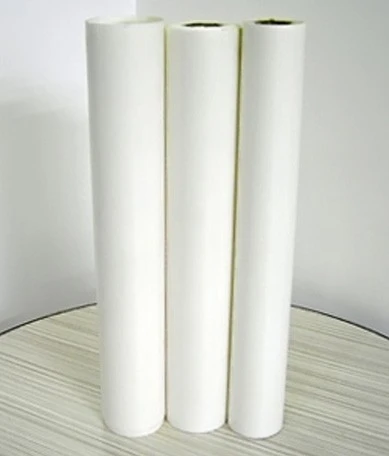
Eva Hot Adhesive Film, also known as ethylene - vinyl acetate hot - melt adhesive film, is a popular choice in various industries due to its unique properties. The Eva Hot Adhesive Film is made from a copolymer of ethylene and vinyl acetate. This combination results in a material that has excellent flexibility, adhesion, and a relatively low melting point.
One of the key advantages of Eva Hot Adhesive Film is its ease of use. It can be activated by heat, which means that it can be applied quickly and efficiently in industrial settings. Once heated, the film melts and flows, allowing it to penetrate the surface of the materials being bonded. As it cools down, it solidifies and forms a strong bond.
Another important feature is its versatility. Eva Hot Adhesive Film can be used to bond a wide range of materials, including plastics, fabrics, and metals. This makes it a valuable asset in many manufacturing processes. Additionally, there are Hot Melt Adhesives Food Safe options available, which are suitable for applications where food contact may occur.
Properties of Foam Materials
Foam materials come in various types, such as polyurethane foam, polyethylene foam, and polystyrene foam. Each type has its own unique characteristics.
Polyurethane foam is known for its high resilience, good insulation properties, and ability to conform to different shapes. It is widely used in furniture, automotive interiors, and packaging. Polyethylene foam, on the other hand, is lightweight, flexible, and has excellent chemical resistance. It is often used in sports equipment, protective packaging, and insulation. Polystyrene foam is rigid, lightweight, and has good thermal insulation properties. It is commonly used in disposable food containers, insulation boards, and packaging.
The surface characteristics of foam materials also vary. Some foams have a smooth surface, while others have a porous or open - cell structure. These surface properties can significantly affect the bonding process.
Factors Affecting the Bonding of Eva Hot Adhesive Film to Foam Materials
Compatibility of Materials
The chemical compatibility between the Eva Hot Adhesive Film and the foam material is crucial. The adhesive needs to interact with the surface of the foam in a way that creates a strong bond. For example, if the foam material has a low surface energy, the adhesive may not wet the surface properly, resulting in a weak bond. In general, Eva Hot Adhesive Film has good compatibility with many foam materials, especially those with a relatively polar surface.

Temperature and Pressure
The temperature at which the Eva Hot Adhesive Film is applied is a critical factor. If the temperature is too low, the film may not melt completely, and the bond may be weak. On the other hand, if the temperature is too high, it may damage the foam material. The optimal temperature range for applying Eva Hot Adhesive Film to foam materials typically depends on the specific type of film and foam.
Pressure also plays an important role. Applying the right amount of pressure during the bonding process helps to ensure good contact between the adhesive and the foam surface. This allows the adhesive to penetrate the pores or irregularities of the foam, creating a stronger bond.
Surface Preparation
Proper surface preparation of the foam material can enhance the bonding strength. This may involve cleaning the surface to remove any dirt, dust, or contaminants. In some cases, surface treatments such as corona treatment or priming may be used to increase the surface energy of the foam, making it more receptive to the adhesive.
Advantages of Using Eva Hot Adhesive Film for Bonding Foam Materials
Strong Bonding
When the bonding conditions are optimized, Eva Hot Adhesive Film can form a strong and durable bond with foam materials. This bond can withstand various stresses, such as shear, peel, and impact forces. For example, in automotive interior applications, the bond between the foam padding and the fabric covering needs to be strong enough to endure the vibrations and movements during driving.
Flexibility
The flexibility of Eva Hot Adhesive Film is well - suited for foam materials, which are often flexible themselves. The adhesive can accommodate the movement and deformation of the foam without losing its bonding strength. This is particularly important in applications where the foam is subject to repeated bending or compression, such as in seating cushions.
Cost - effectiveness
Eva Hot Adhesive Film is generally cost - effective compared to other bonding methods. It can be applied quickly, reducing labor costs. Additionally, the film can be easily cut and shaped to fit the specific requirements of the bonding application, minimizing waste.
Limitations and Challenges
Heat Sensitivity of Foam
Some foam materials are sensitive to heat. If the temperature required to activate the Eva Hot Adhesive Film is too high, it may cause the foam to melt, deform, or lose its physical properties. For example, some low - density foams may collapse under high - temperature conditions.
Bonding in High - Humidity Environments
In high - humidity environments, the presence of moisture can affect the bonding performance of Eva Hot Adhesive Film. Moisture can interfere with the adhesive's ability to form a strong bond with the foam surface. Special precautions may need to be taken, such as pre - drying the foam or using a moisture - resistant adhesive formulation.
Applications of Eva Hot Adhesive Film in Foam Bonding
Furniture Manufacturing
In furniture manufacturing, Eva Hot Adhesive Film is used to bond foam padding to fabric or leather upholstery. The strong and flexible bond ensures that the upholstery stays in place and provides a comfortable seating experience.
Packaging Industry
In the packaging industry, it is used to bond foam inserts to cardboard boxes or other packaging materials. This helps to protect the contents of the package during transportation and storage.
Automotive Industry
In the automotive industry, Eva Hot Adhesive Film is used to bond foam components in the interior, such as door panels, headliners, and seat cushions. The adhesive's ability to withstand vibrations and temperature changes makes it a suitable choice for these applications.
Conclusion
In conclusion, Eva Hot Adhesive Film can be a suitable option for bonding foam materials in many cases. Its advantages, such as strong bonding, flexibility, and cost - effectiveness, make it an attractive choice for various industries. However, it is important to consider the specific properties of the foam material, the bonding conditions, and the potential limitations.
If you are considering using Eva Hot - melt Adhesive Material for your foam bonding applications, we are here to help. Our team of experts can provide you with detailed information and technical support to ensure that you achieve the best results. Contact us to discuss your specific requirements and start a procurement negotiation.
References
- "Handbook of Adhesives and Sealants" by Alan S. Ross
- "Polymer Foams and Foam Technology" by D. Klempner and K. C. Frisch