

Hey there! As a supplier of Eva Hot Adhesive Film, I often get asked whether this stuff is resistant to chemicals. Well, let's dive right into it and find out!
First off, let's talk a bit about what Eva Hot Adhesive Film is. Eva, which stands for ethylene-vinyl acetate, is a copolymer that's widely used in the production of hot melt adhesives. Eva Hot Adhesive Film is a thin sheet of this adhesive that can be activated by heat. Once heated, it turns into a sticky liquid that can bond various materials together. It's super versatile and has various applications, from the textile industry to packaging and even bookbinding.
Now, onto the big question: Is it resistant to chemicals? The answer is, it depends. Eva Hot Adhesive Film has some level of chemical resistance, but it's not a one - size - fits - all situation.
Factors Affecting Chemical Resistance
1. Type of Chemicals
Different chemicals have different effects on Eva Hot Adhesive Film. For example, mild solvents like water and some aqueous solutions usually don't pose a big threat. Eva has a certain degree of hydrophobicity, which means it can resist water to some extent. So, if you're using the adhesive in an environment where it might come into contact with a bit of water or a water - based cleaning solution, it should hold up pretty well.
However, when it comes to strong solvents such as acetone, toluene, or gasoline, the story is different. These solvents can dissolve or swell the Eva polymer. Acetone, for instance, is a very powerful solvent. If Eva Hot Adhesive Film is exposed to acetone for an extended period, the acetone molecules can penetrate the polymer matrix, break the intermolecular forces between the polymer chains, and cause the adhesive to lose its integrity. The film might start to soften, become sticky in an unwanted way, or even completely dissolve.
2. Concentration of Chemicals
The concentration of the chemical also matters. A low - concentration solution of a chemical might not have a significant impact on the Eva Hot Adhesive Film. For example, a very dilute solution of an acid might not cause any visible damage. But as the concentration increases, the chemical's ability to react with the adhesive also goes up. High - concentration acids or alkalis can react with the Eva polymer, changing its chemical structure and reducing its adhesive properties.
3. Exposure Time
How long the Eva Hot Adhesive Film is exposed to the chemical is crucial. A short - term exposure to a moderately aggressive chemical might not cause much harm. But if the film is left in contact with the chemical for days or weeks, the damage can be substantial. For example, if a piece of fabric bonded with Eva Hot Adhesive Film accidentally gets a small splash of a chemical, and it's quickly cleaned off, there might be no long - term effects. But if the fabric is soaked in the chemical for a long time, the adhesive will likely be affected.
Testing Chemical Resistance
To determine the chemical resistance of Eva Hot Adhesive Film in a specific application, we usually conduct some tests. One common test is the immersion test. In this test, we cut small samples of the Eva Hot Adhesive Film and immerse them in different chemical solutions for a set period. We then observe any changes in the appearance, such as color change, swelling, or dissolution. We also measure the adhesive strength before and after the immersion to see if the chemical has affected its bonding ability.
Another test is the wipe test. We use a cloth soaked in the chemical and wipe the surface of the Eva Hot Adhesive Film. This simulates a real - world scenario where the film might come into contact with a chemical during normal use. After the wipe test, we check for any signs of damage or changes in the adhesive properties.
Real - World Applications and Chemical Resistance
In the textile industry, Eva Hot Adhesive Film is often used to bond different layers of fabric together. In this application, it might come into contact with laundry detergents, fabric softeners, and other cleaning agents. Most of these household chemicals are relatively mild, and Eva Hot Adhesive Film can usually withstand them. However, if the fabric is treated with some special chemicals during the manufacturing process, such as certain dyes or finishing agents, the adhesive needs to be tested to ensure compatibility.
In the packaging industry, Eva Hot Adhesive Film is used to seal boxes and packages. Sometimes, the packaged products might contain chemicals, like food additives or cleaning products. The adhesive needs to be resistant to these chemicals to ensure that the package remains sealed and the product inside is protected.

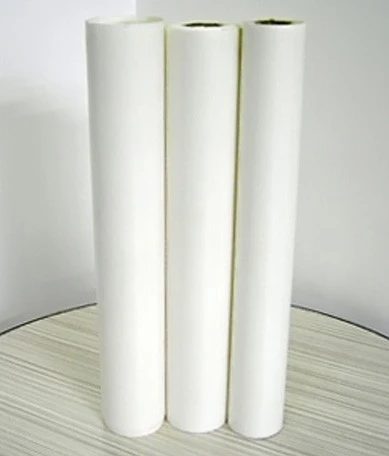
Advantages of Eva Hot Adhesive Film Despite Chemical Limitations
Even though Eva Hot Adhesive Film has some limitations when it comes to chemical resistance, it still has many advantages. It has excellent adhesion to a wide range of materials, including plastics, metals, and textiles. It's also easy to use. You just need to apply heat, and it quickly melts and bonds the materials together. Plus, it's cost - effective compared to some other types of adhesives.
As a Hot Melt Glue Manufacturer, we're constantly working on improving the chemical resistance of our Eva Hot Adhesive Film. We're researching new formulations and additives that can enhance its ability to withstand different chemicals.
Contact for Purchase and Discussion
If you're interested in using Eva Hot Adhesive Film for your project and have questions about its chemical resistance or any other aspect, don't hesitate to reach out. We're here to help you find the best solution for your specific needs. Whether you're in the textile, packaging, or any other industry, we can provide you with samples for testing and offer technical support to ensure that the adhesive works well in your application.
References
- ASTM International standards on adhesive testing
- Journal of Polymer Science: Part B: Polymer Physics
- Textile Research Journal
So, there you have it! A detailed look at whether Eva Hot Adhesive Film is resistant to chemicals. I hope this blog has been helpful to you. If you have any more questions, feel free to drop them in the comments or contact us directly.