

TPU (Thermoplastic Polyurethane) hot melt is a versatile and widely used adhesive in various industries, including textiles, footwear, automotive, and electronics. As a TPU hot melt supplier, I understand that spills can occur during the handling, application, or storage of these adhesives. In this blog post, I will share some practical tips on how to handle TPU hot melt spills effectively and safely.
Understanding TPU Hot Melt
Before delving into spill management, it's essential to understand the properties of TPU hot melt. TPU hot melt is a thermoplastic adhesive that becomes fluid when heated and solidifies upon cooling. It offers excellent adhesion, flexibility, and resistance to abrasion, chemicals, and environmental factors. These properties make it a popular choice for bonding a wide range of materials, such as fabrics, plastics, metals, and rubber.
TPU hot melt is available in different forms, including pellets, films, and powders. Each form has its unique characteristics and applications. For example, TPU Hot Melt Adhesive Film is commonly used in the textile industry for bonding fabrics, while TPU hot melt pellets are often used in injection molding and extrusion processes.
Safety Precautions
Handling TPU hot melt spills requires strict adherence to safety precautions to prevent injuries and minimize environmental impact. Here are some essential safety measures to follow:
- Wear Protective Gear: Always wear appropriate personal protective equipment (PPE), such as gloves, goggles, and aprons, when handling TPU hot melt. This will protect your skin, eyes, and clothing from contact with the adhesive.
- Ventilate the Area: Ensure proper ventilation in the workspace to prevent the accumulation of fumes and vapors. Use exhaust fans or open windows to allow fresh air to circulate.
- Avoid Contact with Skin and Eyes: If TPU hot melt comes into contact with your skin or eyes, immediately flush the affected area with plenty of water for at least 15 minutes. Seek medical attention if irritation persists.
- Keep Flammable Materials Away: TPU hot melt is flammable when heated. Keep all flammable materials, such as solvents, oils, and paper, away from the work area to prevent fires.
- Follow Manufacturer's Instructions: Read and follow the manufacturer's instructions and safety data sheets (SDS) for the specific TPU hot melt product you are using. This will provide you with detailed information on handling, storage, and emergency procedures.
Immediate Response to Spills
When a TPU hot melt spill occurs, it's crucial to take immediate action to prevent the spread of the adhesive and minimize damage. Here are the steps to follow:
- Stop the Source: If the spill is caused by a leaking container or equipment, immediately stop the source of the leak to prevent further spillage.
- Isolate the Area: Cordon off the spill area to prevent unauthorized access and minimize the risk of slipping or falling. Use caution tape or barriers to mark the affected area.
- Assess the Spill Size: Determine the size and extent of the spill to determine the appropriate cleanup method. Small spills can often be cleaned up using absorbent materials, while larger spills may require more extensive cleanup procedures.
- Notify Others: Inform your supervisor or colleagues about the spill to ensure that everyone is aware of the situation and can take appropriate precautions.
Cleaning Up TPU Hot Melt Spills
The method of cleaning up a TPU hot melt spill depends on the type of surface the spill has occurred on and the size of the spill. Here are some general guidelines for cleaning up TPU hot melt spills:
On Hard Surfaces
- Allow the Adhesive to Cool: If the TPU hot melt is still hot, allow it to cool and solidify before attempting to clean it up. This will make it easier to remove the adhesive from the surface.
- Scrape off the Adhesive: Use a plastic scraper or putty knife to gently scrape off as much of the solidified TPU hot melt as possible. Be careful not to scratch the surface.
- Apply a Solvent: If there is still some adhesive residue on the surface, apply a small amount of a suitable solvent, such as acetone or isopropyl alcohol, to a clean cloth or sponge. Gently rub the residue until it dissolves.
- Wipe the Surface Clean: After the adhesive has dissolved, wipe the surface clean with a damp cloth to remove any remaining solvent and adhesive residue.
- Rinse and Dry the Surface: Rinse the surface with water to remove any traces of solvent and dry it thoroughly with a clean cloth.
On Fabrics
- Scrape off the Excess Adhesive: Use a blunt object, such as a spoon or a butter knife, to gently scrape off as much of the excess TPU hot melt as possible from the fabric. Be careful not to spread the adhesive further.
- Apply a Stain Remover: Apply a small amount of a suitable stain remover, such as a commercial fabric stain remover or a mixture of dish soap and water, to the stained area. Gently rub the stain remover into the fabric using a clean cloth or sponge.
- Wash the Fabric: Wash the fabric in the washing machine using the appropriate settings for the fabric type. Add a small amount of laundry detergent to the wash cycle to help remove the remaining adhesive residue.
- Check for Residue: After washing, check the fabric for any remaining adhesive residue. If there is still some residue, repeat the stain removal process until the fabric is clean.
- Dry the Fabric: Dry the fabric according to the manufacturer's instructions. Avoid using high heat, as this may cause the adhesive to reactivate and spread.
On Carpets
- Blot the Spill: Use a clean, dry cloth or paper towel to blot up as much of the TPU hot melt as possible from the carpet. Do not rub the spill, as this may cause the adhesive to spread deeper into the carpet fibers.
- Apply a Carpet Cleaner: Apply a small amount of a suitable carpet cleaner, such as a commercial carpet cleaner or a mixture of dish soap and water, to the stained area. Gently work the cleaner into the carpet fibers using a clean cloth or sponge.
- Rinse the Carpet: Rinse the carpet with clean water to remove the carpet cleaner and any remaining adhesive residue. Use a wet/dry vacuum or a clean cloth to absorb the excess water.
- Repeat the Process if Necessary: If there is still some adhesive residue on the carpet, repeat the cleaning process until the carpet is clean.
- Allow the Carpet to Dry: Allow the carpet to dry completely before walking on it. You can use a fan or open windows to speed up the drying process.
Disposal of Spilled TPU Hot Melt
Proper disposal of spilled TPU hot melt is essential to prevent environmental contamination and comply with local regulations. Here are some guidelines for disposing of spilled TPU hot melt:
- Collect the Spilled Adhesive: Use a scoop or a dustpan to collect the solidified TPU hot melt from the spill area. Place the collected adhesive in a sealed container.
- Label the Container: Label the container clearly with the words "TPU Hot Melt - Hazardous Waste" to indicate its contents.
- Contact a Waste Disposal Company: Contact a licensed waste disposal company to arrange for the proper disposal of the spilled TPU hot melt. They will have the necessary equipment and expertise to handle hazardous waste safely and legally.
- Follow Local Regulations: Ensure that you comply with all local regulations regarding the disposal of hazardous waste. This may include obtaining the necessary permits and following specific disposal procedures.
Preventing TPU Hot Melt Spills
Preventing TPU hot melt spills is the best way to minimize the risk of accidents and ensure a safe working environment. Here are some tips to prevent TPU hot melt spills:
- Use Proper Equipment: Use appropriate equipment, such as melt tanks, applicators, and dispensing systems, that are designed for handling TPU hot melt. Make sure the equipment is in good working condition and is properly maintained.
- Follow Operating Procedures: Follow the manufacturer's operating procedures and guidelines when handling TPU hot melt. This includes proper heating, melting, and dispensing techniques.
- Train Your Employees: Provide comprehensive training to your employees on the safe handling, storage, and application of TPU hot melt. Make sure they are aware of the potential hazards and know how to respond in case of a spill.
- Inspect Your Workspace: Regularly inspect your workspace for any signs of leaks or spills. Check the equipment, containers, and storage areas for damage or wear and tear.
- Store TPU Hot Melt Properly: Store TPU hot melt in a cool, dry place away from heat sources and direct sunlight. Make sure the containers are tightly sealed to prevent leaks and spills.
Conclusion
Handling TPU hot melt spills requires careful planning, proper safety precautions, and effective cleanup procedures. By following the tips and guidelines outlined in this blog post, you can minimize the risk of accidents, protect the environment, and ensure a safe working environment.
As a TPU hot melt supplier, we are committed to providing high-quality products and excellent customer service. If you have any questions or need further assistance with TPU hot melt spills or any other TPU hot melt-related issues, please feel free to contact us. We are here to help you find the best solutions for your specific needs.

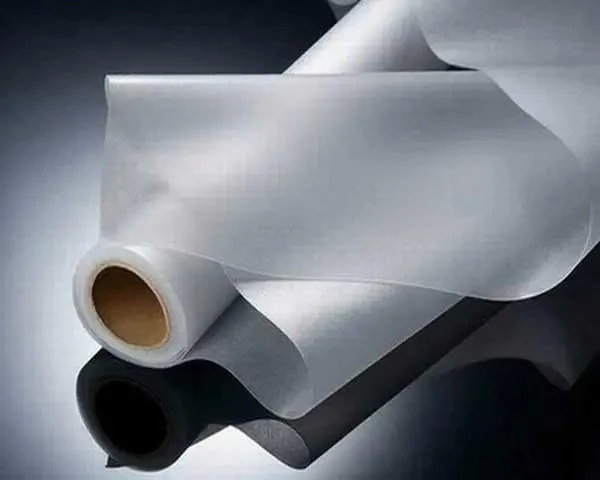
If you are interested in purchasing TPU Hot Melt or TPU Hot Melt Adhesive Film for Textile, please contact us to discuss your requirements and explore the possibilities of working together. We look forward to hearing from you and serving your TPU hot melt needs.
References
- Manufacturer's safety data sheets (SDS) for TPU hot melt products.
- Occupational Safety and Health Administration (OSHA) guidelines for handling hazardous materials.
- Local environmental regulations regarding the disposal of hazardous waste.