

Functional TPU (Thermoplastic Polyurethane) film is a versatile material widely used in various industries due to its excellent properties such as high elasticity, abrasion resistance, and chemical resistance. As a supplier of functional TPU film, I understand the importance of proper storage to maintain its quality and performance. In this blog post, I will share some essential tips on how to store functional TPU film properly.
Understanding the Characteristics of Functional TPU Film
Before discussing storage methods, it's crucial to understand the characteristics of functional TPU film. Functional TPU films come in different types, each designed for specific applications. For example, TPU Film for Heating and Cooling System is engineered to provide efficient heat transfer, while Heat Transfer TPU Film is used for transferring heat in various industrial processes. Flame Retardant TPU Film is formulated to resist combustion, making it suitable for applications where fire safety is a concern.
These films are sensitive to environmental factors such as temperature, humidity, and light. Exposure to extreme conditions can cause the film to degrade, lose its elasticity, or develop discoloration, which can significantly affect its performance and lifespan.
Ideal Storage Conditions
Temperature
The ideal temperature for storing functional TPU film is between 20°C and 25°C (68°F - 77°F). Temperatures above this range can cause the film to soften, become sticky, and lose its shape. On the other hand, extremely low temperatures can make the film brittle and prone to cracking. It's essential to store the film in a temperature-controlled environment to prevent these issues.
If the storage area is not temperature-controlled, it's advisable to avoid storing the film near heat sources such as radiators, heaters, or direct sunlight. Additionally, during transportation, ensure that the film is protected from extreme temperature fluctuations.
Humidity
Humidity is another critical factor that can affect the quality of functional TPU film. High humidity levels can cause the film to absorb moisture, leading to swelling, warping, and a decrease in mechanical properties. The ideal relative humidity for storing TPU film is between 40% and 60%.
To maintain the appropriate humidity level, consider using a dehumidifier in the storage area. If the storage facility is located in a humid climate, it may be necessary to invest in a climate-controlled storage unit.
Light
Exposure to light, especially ultraviolet (UV) light, can cause the TPU film to degrade over time. UV light can break down the chemical bonds in the film, leading to discoloration, yellowing, and a reduction in mechanical strength.
To protect the film from light, store it in opaque containers or wrap it in light-blocking materials. If possible, store the film in a dark room or a storage area with limited exposure to sunlight.
Storage Containers and Packaging
Containers
When storing functional TPU film, it's essential to use suitable containers that provide protection from environmental factors. Plastic or metal containers with tight-fitting lids are ideal for storing the film. These containers can prevent dust, moisture, and light from reaching the film, ensuring its quality is maintained.
Make sure the containers are clean and dry before placing the film inside. Avoid using containers that have previously held chemicals or other substances that may contaminate the film.
Packaging
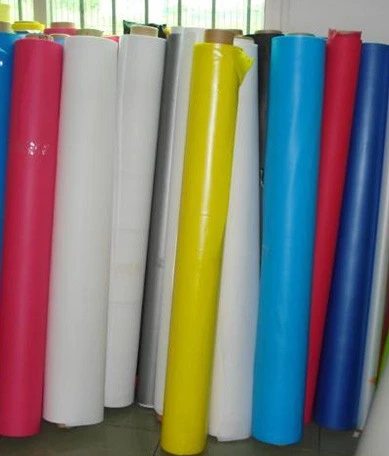
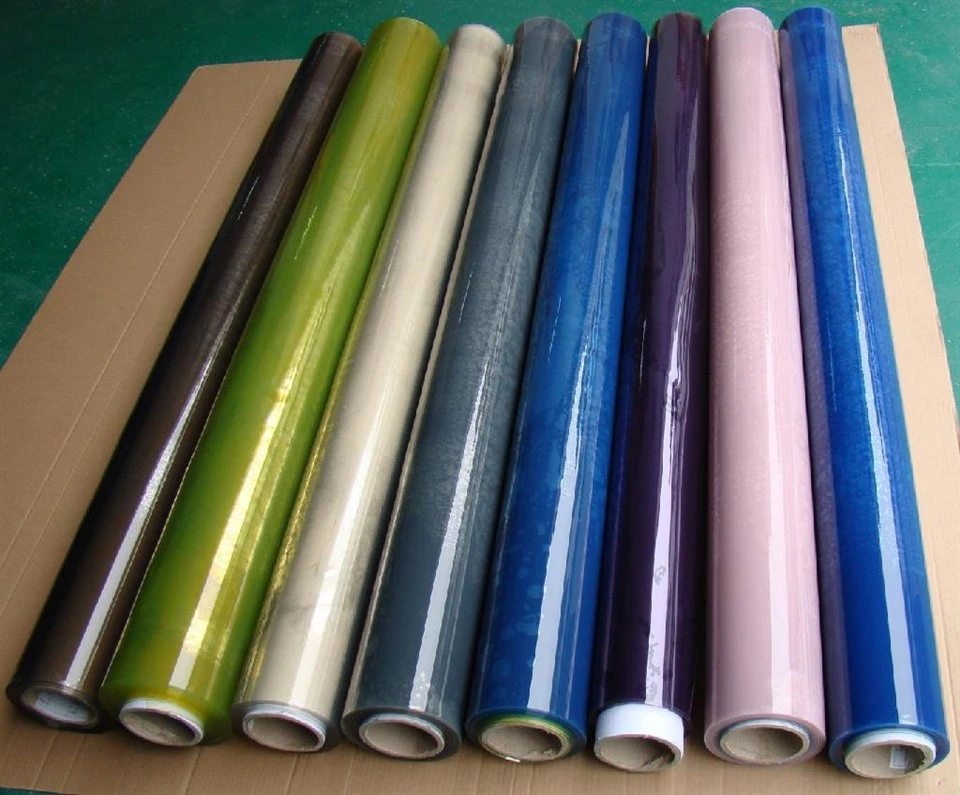
The packaging of the TPU film also plays a crucial role in its storage. Most functional TPU films are supplied in rolls or sheets, which are typically wrapped in plastic or paper. This initial packaging provides some protection during transportation and storage.
However, if you need to store the film for an extended period, consider adding an additional layer of protection. You can wrap the film in anti-static or moisture-resistant materials to prevent static electricity buildup and moisture absorption.
Handling and Stacking
Handling
Proper handling of functional TPU film is essential to prevent damage during storage. When moving the film, use clean gloves to avoid transferring oils or dirt from your hands to the film. Avoid dragging the film across rough surfaces, as this can cause scratches and abrasions.
If the film needs to be cut or trimmed, use sharp, clean cutting tools to ensure a smooth cut. Rough or jagged edges can lead to stress concentration points, which may cause the film to tear or break during use.
Stacking
When stacking the TPU film, it's important to do so carefully to prevent damage. Avoid stacking heavy objects on top of the film, as this can cause it to deform or become compressed. If you need to stack multiple rolls or sheets of film, use spacers or dividers to separate them and prevent them from sticking together.
Make sure the stacks are stable and not at risk of toppling over. If the film is stored in a rack system, ensure that the racks are sturdy and can support the weight of the film.
Inspection and Maintenance
Inspection
Regular inspection of the stored functional TPU film is essential to detect any signs of damage or degradation early. Check the film for discoloration, swelling, warping, or any other visible defects. If you notice any issues, take appropriate action immediately, such as moving the film to a more suitable storage location or contacting the manufacturer for advice.
Maintenance
In addition to inspection, proper maintenance of the storage area is also important. Keep the storage area clean and free of debris, as dust and dirt can accumulate on the film and cause damage. Regularly clean the storage containers and racks to prevent the buildup of contaminants.
Long-Term Storage Considerations
If you need to store functional TPU film for an extended period, there are a few additional considerations. First, make sure to rotate the stock regularly to ensure that the film is used in a first-in, first-out (FIFO) manner. This helps to prevent the film from sitting in storage for too long and potentially degrading.
Second, consider conducting periodic quality checks on the stored film. This can involve testing the film's mechanical properties, such as tensile strength and elongation, to ensure that it still meets the required specifications.
Conclusion
Proper storage of functional TPU film is essential to maintain its quality and performance. By following the tips outlined in this blog post, you can ensure that your TPU film remains in excellent condition during storage. Remember to control the temperature, humidity, and light exposure, use suitable storage containers and packaging, handle the film carefully, and conduct regular inspections and maintenance.
If you are interested in purchasing high-quality functional TPU film or have any questions about storage and handling, please feel free to contact us. We are a leading supplier of functional TPU film and are committed to providing our customers with the best products and services.
References
- "Thermoplastic Polyurethane (TPU) - Properties, Applications, and Processing" by K. Oertel
- "Plastics Technology Handbook" by James F. Carley