

Hey there! As a supplier of Polyurethane Film, I've been getting a ton of questions lately about how to improve its heat insulation property. So, I thought I'd share some of my insights and tips on this topic with you all.
Understanding Polyurethane Film
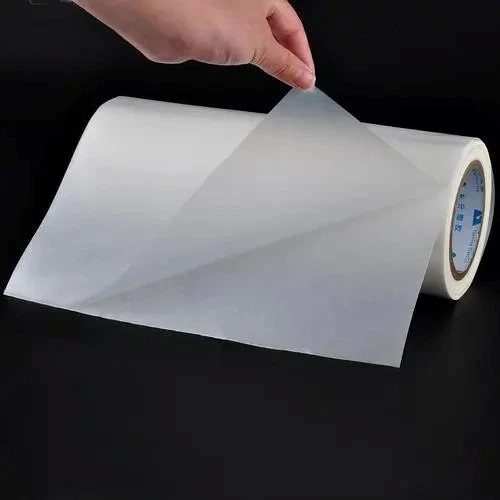
First off, let's talk a bit about Polyurethane Film. It's a super versatile material that we use in a whole bunch of applications. You can find it in stuff like Polyurethane Film for Outdoor Cover, which is great for protecting outdoor equipment from the elements. And of course, there's the general Polyurethane Film that has a wide range of uses in different industries, and Pu Film for Industrial applications too.
Polyurethane Film is known for its flexibility, durability, and resistance to abrasion. But when it comes to heat insulation, there's always room for improvement.
Factors Affecting Heat Insulation
Before we dive into the ways to improve heat insulation, it's important to understand the factors that affect it.
Material Composition
The type of polyurethane used in the film plays a huge role. Different formulations have different thermal properties. For example, some polyurethanes have a higher density, which can lead to better heat insulation. But it's not just about density. The chemical structure of the polyurethane can also impact how well it insulates heat.
Thickness
Thicker films generally provide better heat insulation. When the film is thicker, there's more material to slow down the transfer of heat. However, increasing the thickness too much can make the film less flexible and more expensive to produce. So, it's a balance that we need to strike.
Additives
Adding certain additives to the polyurethane can significantly improve its heat insulation properties. For instance, some ceramic additives can reflect heat, preventing it from passing through the film. Other additives can increase the film's ability to absorb and store heat, reducing the amount that gets transferred.
Ways to Improve Heat Insulation
Now that we know what affects heat insulation, let's look at some practical ways to improve it.
Optimize Material Formulation
As I mentioned earlier, the material composition is crucial. We can work on developing new formulations of polyurethane that are specifically designed for better heat insulation. This might involve using different types of polyols and isocyanates, which are the main components of polyurethane. By carefully selecting these components and adjusting their ratios, we can create a film with improved thermal properties.
Increase Thickness Strategically
Instead of just making the film thicker across the board, we can use a strategic approach. For example, we can create a multi - layer film where the outer layers are thinner and more flexible, while the inner layer is thicker and provides the main heat insulation. This way, we can get the benefits of both flexibility and good heat insulation.
Incorporate Heat - Reflective Additives
Adding heat - reflective additives is a great way to improve heat insulation. These additives work by reflecting infrared radiation, which is a major component of heat transfer. Some common heat - reflective additives include aluminum oxide and titanium dioxide. We can mix these additives into the polyurethane during the manufacturing process to create a film that reflects a significant amount of heat.
Use Aerogel - Based Additives
Aerogels are extremely lightweight and have excellent insulation properties. By incorporating aerogel - based additives into the polyurethane film, we can create a highly insulating material. Aerogels work by trapping air in their porous structure, which slows down the transfer of heat. This can be a game - changer for applications where high - performance heat insulation is required.
Testing and Quality Control
Once we've made changes to improve the heat insulation of the Polyurethane Film, it's important to test it. We use a variety of testing methods to ensure that the film meets the desired standards.
Thermal Conductivity Testing
This is one of the most common tests. It measures how well the film conducts heat. A lower thermal conductivity means better heat insulation. We use specialized equipment to measure the thermal conductivity of the film under different conditions.
Infrared Imaging
Infrared imaging is a great way to visualize how heat is being transferred through the film. By using an infrared camera, we can see where heat is escaping and identify any areas that need improvement.

Long - Term Testing
Heat insulation can change over time, especially when the film is exposed to different environmental conditions. So, we also conduct long - term testing to see how the film performs over an extended period. This helps us ensure that the improved heat insulation properties are durable.
Real - World Applications
Improving the heat insulation of Polyurethane Film has a wide range of real - world applications.
Outdoor Covers
In outdoor applications, such as covering boats, cars, or outdoor equipment, a film with better heat insulation can protect the contents from extreme temperatures. For example, in hot weather, it can keep the interior of a boat cooler, reducing the need for air conditioning. And in cold weather, it can help prevent freezing.
Industrial Applications
In industrial settings, Polyurethane Film with improved heat insulation can be used to line pipes, tanks, and other equipment. This can reduce energy consumption by preventing heat loss or gain. For example, in a chemical plant, a well - insulated pipe can save a significant amount of energy by keeping the process fluids at the right temperature.
Conclusion
Improving the heat insulation property of Polyurethane Film is a complex but achievable goal. By understanding the factors that affect heat insulation and using the right techniques, we can create films that offer better performance in a variety of applications.
If you're interested in learning more about our Polyurethane Film or want to discuss how we can improve its heat insulation for your specific needs, I'd love to hear from you. Whether you're in the outdoor cover industry or an industrial user, we can work together to find the best solution. Feel free to reach out to us to start a conversation about your procurement needs.
References
- "Polymer Science and Technology" by Charles A. Daniels
- "Thermal Insulation Materials: Fundamentals and Applications" by John A. Howell