

Hey there! As a supplier of TPU Hot Melt, I've seen firsthand how crucial it is to control the flow rate during application. In this blog post, I'm gonna share some tips and tricks on how to do just that.
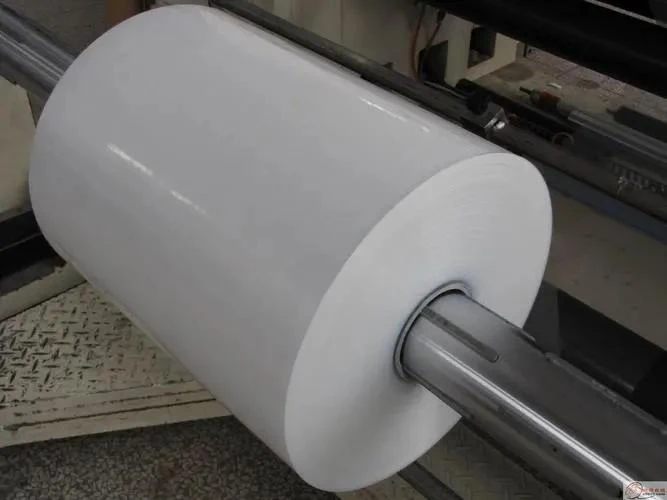
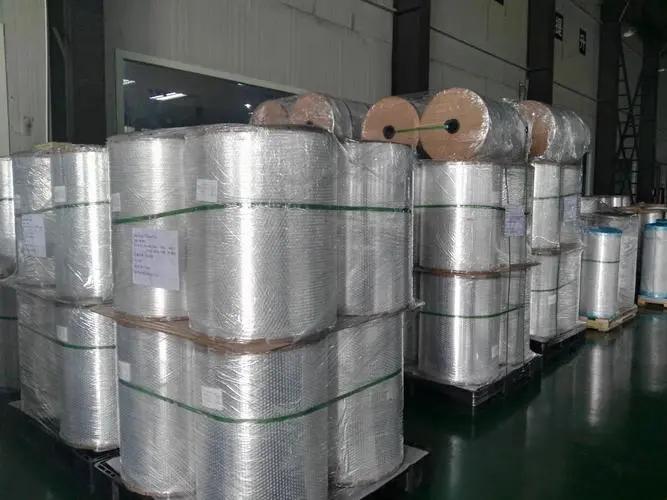
First off, let's talk about what TPU Hot Melt is. TPU, or Thermoplastic Polyurethane, is a type of polymer that can be melted and re - solidified multiple times. TPU Hot Melt is a form of adhesive made from TPU, which is widely used in various industries, including textiles, automotive, and electronics. You can learn more about it on our TPU Hot Melt page.
Understanding the Basics of Flow Rate
The flow rate of TPU Hot Melt refers to how fast the adhesive flows when it's in a molten state. Controlling this rate is super important because it affects the quality of the bond. If the flow rate is too high, the adhesive might spread too much, leading to a messy application and potentially weakening the bond. On the other hand, if the flow rate is too low, the adhesive might not cover the surface evenly, also resulting in a poor - quality bond.
Factors Affecting the Flow Rate
There are several factors that can influence the flow rate of TPU Hot Melt. Let's take a look at them one by one.
Temperature
Temperature is probably the most significant factor. TPU Hot Melt is a thermoplastic, which means its viscosity (thickness) changes with temperature. When the temperature is high, the adhesive becomes less viscous and flows more easily, increasing the flow rate. Conversely, at lower temperatures, the adhesive thickens, and the flow rate decreases.
To control the flow rate using temperature, you need to find the sweet spot. For most TPU Hot Melt products, the optimal temperature range is between 120°C and 180°C. You can use a temperature - controlled applicator to maintain a consistent temperature. This way, you can ensure that the adhesive has the right viscosity for your application.
Pressure
Pressure also plays a role in the flow rate. When you apply more pressure to the molten TPU Hot Melt, it will flow out faster. This is especially important when you're using a dispenser or a spray gun to apply the adhesive.
For example, if you're using a pneumatic dispenser, you can adjust the air pressure to control the flow rate. Higher air pressure will force the adhesive out more quickly, while lower pressure will slow down the flow. However, be careful not to use too much pressure, as it can cause the adhesive to splatter.
Nozzle Size
The size of the nozzle through which the TPU Hot Melt is applied can have a big impact on the flow rate. A larger nozzle will allow more adhesive to flow through at once, increasing the flow rate. A smaller nozzle, on the other hand, will restrict the flow, resulting in a lower flow rate.
When choosing a nozzle, you need to consider the size of the area you're applying the adhesive to and the amount of adhesive you need. For small - scale applications, a smaller nozzle might be more appropriate. For larger areas, a larger nozzle can help you cover the surface more quickly.
Techniques for Controlling the Flow Rate
Now that we've covered the factors affecting the flow rate, let's talk about some techniques you can use to control it.
Pre - testing
Before you start a large - scale application, it's a good idea to do some pre - testing. Take a small sample of the TPU Hot Melt and apply it to a test surface using different temperature, pressure, and nozzle settings. This will help you find the optimal combination for your specific application.
For instance, you can start by setting the temperature at the middle of the recommended range, using a medium - sized nozzle, and applying a moderate amount of pressure. Then, observe how the adhesive flows and how well it bonds to the surface. Based on your observations, you can make adjustments to the settings.
Using a Flow Controller
A flow controller is a device that can help you precisely control the flow rate of the TPU Hot Melt. It works by regulating the pressure and temperature of the adhesive as it flows through the applicator.
There are different types of flow controllers available on the market. Some are simple mechanical devices, while others are more advanced electronic controllers. Depending on your needs and budget, you can choose the one that's right for you.
Training Your Operators
If you have a team of operators applying the TPU Hot Melt, it's essential to train them properly. They should understand how the different factors affect the flow rate and how to make adjustments as needed.
Provide them with hands - on training and give them the opportunity to practice using different settings. This will help them become more confident and skilled in controlling the flow rate, resulting in better - quality applications.
Applications of TPU Hot Melt and Flow Rate Control
TPU Hot Melt is used in a wide range of applications, and flow rate control is crucial in each of them.
Textile Industry
In the textile industry, TPU Hot Melt Adhesive Film for Textile is commonly used to bond fabrics together. Controlling the flow rate is important to ensure that the adhesive doesn't seep through the fabric or cause any discoloration.
For example, when bonding two layers of delicate fabric, you need to use a low flow rate to avoid damaging the fabric. On the other hand, when bonding thicker fabrics, a slightly higher flow rate might be required to ensure a strong bond.
Automotive Industry
In the automotive industry, TPU Hot Melt is used for various applications, such as bonding interior trim parts and sealing components. The flow rate needs to be carefully controlled to ensure a uniform bond and prevent any leakage.
For instance, when bonding a plastic trim piece to a metal surface, you need to make sure that the adhesive covers the entire contact area evenly. This requires precise control of the flow rate.
Electronics Industry
In the electronics industry, TPU Hot Melt Adhesive Film is used to bond components together and provide insulation. Since electronic components are often small and delicate, a very precise flow rate is required to avoid any damage.
For example, when bonding a small circuit board component, you need to use a fine - tipped nozzle and a low flow rate to apply the adhesive accurately.
Conclusion
Controlling the flow rate of TPU Hot Melt during application is a key factor in ensuring high - quality bonds. By understanding the factors that affect the flow rate, such as temperature, pressure, and nozzle size, and using the right techniques, you can achieve the optimal flow rate for your specific application.
If you're in the market for high - quality TPU Hot Melt products and need more advice on flow rate control, don't hesitate to reach out to us. We're here to help you find the best solutions for your needs. Whether you're in the textile, automotive, or electronics industry, we've got the expertise and products to support your applications. Contact us today to start a conversation about your TPU Hot Melt requirements and let's work together to create strong, reliable bonds.
References
- "Thermoplastic Polyurethane Elastomers: Science and Technology" by Christopher Hepburn
- "Adhesive Bonding: Science, Technology, and Applications" by David A. Dillard