

Hydrophilic TPU (Thermoplastic Polyurethane) film is a remarkable material widely used in various industries, especially in medical applications due to its excellent biocompatibility, flexibility, and water - absorbing properties. As a supplier of Hydrophilic TPU film, I understand the importance of maintaining its quality through proper cleaning. In this blog, I will share some effective ways to clean Hydrophilic TPU film.
Understanding Hydrophilic TPU Film
Before delving into the cleaning methods, it's essential to understand what Hydrophilic TPU film is. Hydrophilic TPU film has a unique molecular structure that allows it to absorb and retain water. This property makes it ideal for applications where moisture management is crucial, such as in wound dressings, medical catheters, and other TPU Film Used In Medical.
The hydrophilic nature of the film also means that it can attract and hold onto dirt, bacteria, and other contaminants more easily than regular TPU films. Therefore, proper cleaning is not only about maintaining the appearance but also ensuring the film's performance and safety, especially in medical settings.
Cleaning Solutions and Their Suitability
When it comes to cleaning Hydrophilic TPU film, choosing the right cleaning solution is crucial. Here are some common cleaning solutions and their suitability:
Mild Soap and Water
One of the most basic and widely used cleaning solutions is a mixture of mild soap and water. Mild soap, such as dish soap or baby shampoo, is gentle enough not to damage the film's hydrophilic properties.

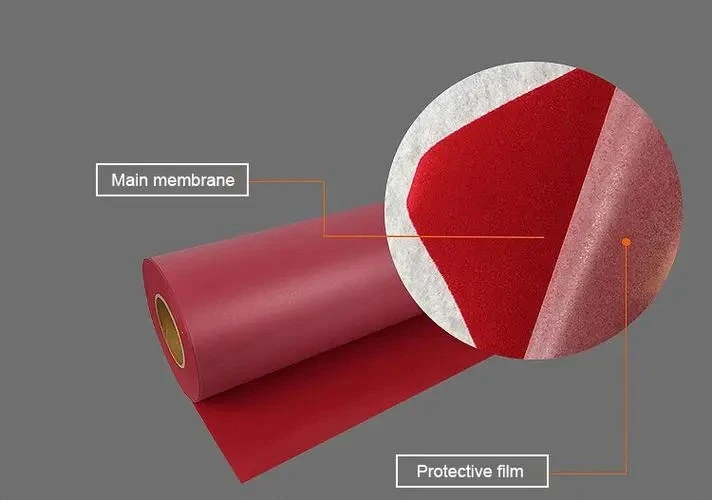
To use this solution, mix a small amount of mild soap with warm water in a clean container. Dip a soft, lint - free cloth or sponge into the solution and gently wipe the surface of the Hydrophilic TPU film. Avoid using excessive pressure as it may cause scratches or damage to the film. After wiping, rinse the film thoroughly with clean water to remove any soap residue.
Isopropyl Alcohol
Isopropyl alcohol is another effective cleaning agent for Hydrophilic TPU film. It has excellent disinfectant properties and can quickly evaporate, leaving no residue. However, it should be used with caution. High - concentration isopropyl alcohol (above 70%) can potentially damage the film's surface and reduce its hydrophilicity over time.
A 70% isopropyl alcohol solution is generally recommended. Moisten a cotton ball or a soft cloth with the solution and gently wipe the film's surface. Make sure to cover the entire area evenly. After cleaning, allow the film to air - dry completely.
Hydrogen Peroxide
Hydrogen peroxide is a mild disinfectant that can be used to clean Hydrophilic TPU film, especially in medical applications. A 3% hydrogen peroxide solution is commonly used. Apply the solution to the film using a spray bottle or a cloth. Let it sit on the surface for a few minutes to allow the disinfectant to work, then rinse the film thoroughly with water.
Cleaning Procedures
The cleaning process of Hydrophilic TPU film can be divided into several steps:
Pre - cleaning Inspection
Before starting the cleaning process, inspect the film for any visible damage, such as cuts, tears, or holes. If there is significant damage, the film may need to be replaced instead of cleaned, as damaged areas can harbor more contaminants and may not be effectively cleaned.
Surface Dust Removal
Use a soft, dry brush or a compressed air canister to remove any loose dust or debris from the film's surface. This step helps prevent scratching the film during the subsequent cleaning process.
Cleaning with the Chosen Solution
As mentioned above, apply the selected cleaning solution to the film using a suitable applicator, such as a cloth, sponge, or spray bottle. Gently wipe or spray the solution onto the film, covering the entire surface. Pay special attention to areas that are more likely to accumulate dirt, such as edges and corners.
Rinsing
After applying the cleaning solution, rinse the film thoroughly with clean water. Make sure to remove all traces of the cleaning solution, as any residue can affect the film's hydrophilic properties and performance.
Drying
Proper drying is essential to prevent the growth of mold and bacteria. Use a soft, lint - free cloth to gently pat the film dry. Avoid rubbing the film vigorously, as it may cause damage. Alternatively, allow the film to air - dry in a clean, well - ventilated area.
Special Considerations for Medical Applications
In medical applications, the cleaning requirements for Hydrophilic TPU film are more stringent. The film is often in direct contact with the human body, so it must be thoroughly cleaned and disinfected to prevent infections.
In addition to the general cleaning procedures, medical - grade Hydrophilic TPU film may need to undergo sterilization processes after cleaning. Common sterilization methods include autoclaving, gamma irradiation, and ethylene oxide sterilization. However, not all Hydrophilic TPU films are suitable for all sterilization methods. It's important to consult the film's specifications and guidelines provided by the manufacturer.
When using Hydrophilic TPU film in medical devices, it's also necessary to follow the relevant medical device cleaning and disinfection standards and regulations. For more information on Thermoplastic (TPU) Film Based Medical Devices, you can refer to the provided link.
Maintenance Tips for Long - term Use
Regular cleaning is just one part of maintaining Hydrophilic TPU film. Here are some additional maintenance tips to ensure its long - term performance:
Storage
Store the Hydrophilic TPU film in a cool, dry place away from direct sunlight and heat sources. Exposure to high temperatures and sunlight can cause the film to degrade and lose its hydrophilic properties.
Handling
When handling the film, wear clean gloves to prevent transferring dirt and oils from your hands. Avoid touching the film with sharp objects, as this can cause scratches and damage.
Inspection
Regularly inspect the film for any signs of wear, damage, or changes in its properties. If you notice any issues, take appropriate measures, such as cleaning more frequently or replacing the film.
Selecting the Right Hydrophilic TPU Film
If you are in the process of choosing a Hydrophilic TPU film for your application, it's important to consider its cleaning and maintenance requirements. Different films may have different levels of resistance to cleaning agents and different hydrophilic properties.
Our TPU Films Selector Tool can help you find the most suitable Hydrophilic TPU film for your specific needs. It takes into account various factors such as the application environment, required hydrophilicity, and cleaning requirements.
Conclusion
Cleaning Hydrophilic TPU film is a crucial process that requires careful consideration of the cleaning solutions, procedures, and special requirements, especially in medical applications. By following the guidelines and tips provided in this blog, you can effectively clean and maintain the quality of Hydrophilic TPU film, ensuring its long - term performance and safety.
If you are interested in purchasing Hydrophilic TPU film or have any questions about its cleaning and maintenance, please feel free to contact us. We are a professional supplier of Hydrophilic TPU film and can provide you with high - quality products and professional advice.
References
- "Handbook of Thermoplastic Elastomers"
- "Medical Device Cleaning and Disinfection Standards"
- Manufacturer's guidelines for Hydrophilic TPU film products.