

Polyurethane (PU) film has emerged as a versatile and high - performance material in various industries, and one of its most notable properties is its water resistance. As a Polyurethane Film supplier, I have witnessed firsthand the remarkable performance of PU film in challenging water - related environments. In this blog, we will delve into how polyurethane film performs in terms of water resistance and explore its wide - ranging applications.
Understanding the Basics of Polyurethane Film
Polyurethane is a polymer composed of organic units joined by carbamate (urethane) links. Polyurethane Film is created through a specialized manufacturing process that can be tailored to achieve different physical and chemical properties. The structure of the polyurethane polymer plays a crucial role in its water - resistant capabilities.
The molecular structure of polyurethane can be engineered to have a hydrophobic nature. Hydrophobic materials repel water, preventing it from penetrating the film. The long - chain polymers in polyurethane can form a dense and continuous matrix that acts as a barrier against water molecules. This is in contrast to hydrophilic materials that attract and absorb water.
Water Resistance Mechanisms of Polyurethane Film
There are several key mechanisms through which polyurethane film exhibits water resistance:
- Barrier Formation: The tightly packed polymer chains in the film create a physical barrier. Water molecules are unable to pass through the dense structure easily. This is particularly important in applications where keeping water out is essential, such as in waterproof clothing or protective covers.
- Low Surface Energy: Polyurethane film typically has a low surface energy. This means that water droplets tend to bead up on the surface of the film rather than spreading out. The beading effect reduces the contact area between the water and the film, minimizing the chances of water penetration.
- Cross - linking: In some types of polyurethane films, cross - linking agents are used during the manufacturing process. Cross - linking creates a three - dimensional network of polymer chains, which further enhances the film's water resistance. It makes the film more resistant to swelling and degradation when exposed to water.
Testing the Water Resistance of Polyurethane Film
To accurately assess the water resistance of polyurethane film, several standard tests are commonly used:
- Water Vapor Transmission Rate (WVTR): This test measures the amount of water vapor that can pass through a given area of the film in a specific time under controlled temperature and humidity conditions. A lower WVTR indicates better water - vapor barrier properties. For applications like food packaging or medical dressings, a low WVTR is crucial to prevent moisture from reaching the contents.
- Hydrostatic Head Test: In this test, a sample of the polyurethane film is subjected to increasing water pressure until water begins to penetrate the film. The hydrostatic head value represents the maximum water pressure the film can withstand without leakage. This test is important for applications such as outdoor tents or waterproof footwear, where the film needs to resist water under pressure.
Applications Based on Water Resistance
The excellent water resistance of polyurethane film makes it suitable for a wide range of applications:
- Textile and Apparel Industry: Polyurethane Film is widely used in the production of waterproof and breathable clothing. It can be laminated to fabrics to create a water - resistant layer while still allowing sweat vapor to escape. This is achieved through the use of micro - porous or hydrophilic polyurethane films. The Polyurethane Film we supply is a popular choice for many textile manufacturers due to its superior water - resistant and breathable properties.
- Medical Field: In the medical industry, water - resistant polyurethane film is used for various purposes. Polyurethane Film Medical products are used as wound dressings, where they protect the wound from water and external contaminants while maintaining a moist environment for healing. They are also used in medical device packaging to prevent moisture from damaging sensitive equipment.
- Industrial Applications: Pu Film for Industrial use is prevalent in applications such as protective coatings for machinery, electrical enclosures, and automotive components. The water - resistant properties of the film protect these items from corrosion and damage caused by water exposure, extending their service life.
Factors Affecting Water Resistance
While polyurethane film generally has good water - resistant properties, several factors can affect its performance:
- Film Thickness: Thicker polyurethane films tend to have better water resistance as they provide a greater physical barrier. However, the choice of film thickness also depends on the specific application requirements, as thicker films may be less flexible or more expensive.
- Environmental Conditions: Extreme temperatures, high humidity, and exposure to chemicals can all impact the water resistance of polyurethane film. For example, prolonged exposure to high temperatures can cause the film to soften and lose some of its water - resistant properties.
- Surface Treatments: Surface treatments can enhance or reduce the water resistance of the film. For instance, applying a hydrophobic coating can further improve the beading effect and water - repellent properties, while a hydrophilic treatment may be used in applications where some level of water absorption is desired.
Comparing Polyurethane Film with Other Water - Resistant Materials
When compared to other water - resistant materials such as PVC (polyvinyl chloride) and rubber, polyurethane film offers several advantages:
- Flexibility: Polyurethane film is generally more flexible than PVC, making it suitable for applications where the material needs to bend or stretch without losing its water - resistant properties. This is especially important in applications like flexible hoses or stretchable waterproof clothing.
- Breathability: Unlike some rubber materials, polyurethane film can be engineered to be breathable. This is a significant advantage in applications where moisture management is crucial, such as in sports apparel or medical dressings.
- Environmental Friendliness: Polyurethane film can be more environmentally friendly than PVC, as it can be formulated without the use of harmful plasticizers. Additionally, some polyurethane films are recyclable, which is an important consideration in today's sustainable manufacturing environment.
Maintaining the Water Resistance of Polyurethane Film
To ensure the long - term water resistance of polyurethane film, proper maintenance is essential:
- Cleaning: Regular cleaning can remove dirt and contaminants that may compromise the film's water - resistant properties. However, it is important to use mild cleaning agents that do not damage the film.
- Storage: Storing the film in a cool, dry place away from direct sunlight and harsh chemicals can prevent degradation and maintain its water - resistant performance.
Conclusion
In conclusion, polyurethane film demonstrates outstanding water - resistant properties through its unique molecular structure and manufacturing processes. Its ability to form a reliable barrier against water, combined with its flexibility, breathability, and other advantageous properties, makes it a preferred choice in a wide range of industries. Whether it is used in textile, medical, or industrial applications, the water - resistant performance of polyurethane film plays a crucial role in ensuring the functionality and durability of the end products.

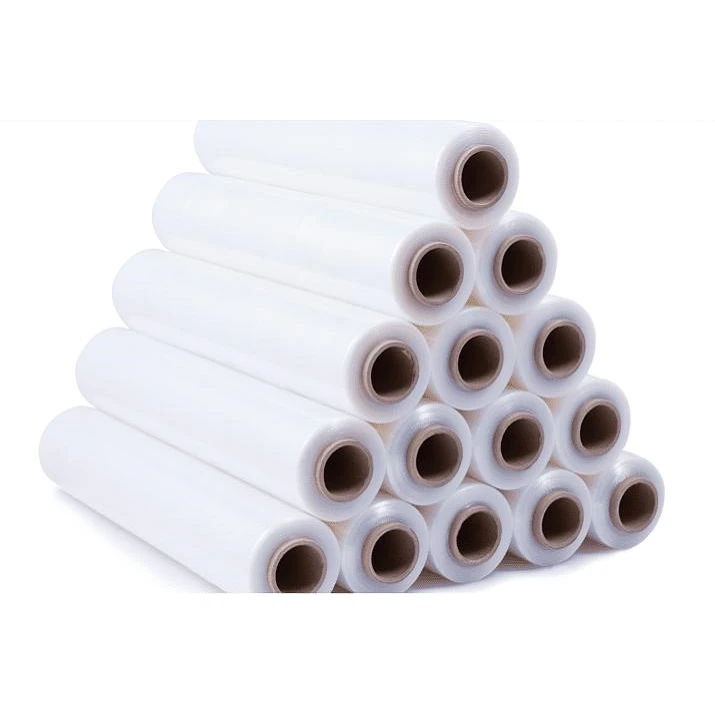
If you are interested in sourcing high - quality Polyurethane Film for your specific application, we are here to assist you. Our team of experts can provide detailed information about our products and help you select the most suitable film based on your water - resistance requirements. Feel free to reach out to us to start a procurement discussion and discover how our Polyurethane Film can meet your needs.
References
- "Polyurethane Handbook" by G. Oertel.
- ASTM International standards for testing water resistance of polymers.
- Industry research reports on the performance of polyurethane film in different applications.