

In the realm of advanced materials, functional TPU (Thermoplastic Polyurethane) film has emerged as a versatile solution with a wide range of applications. As a supplier of functional TPU film, I am often asked about its performance in various environments. One particular area of interest is how it performs in ozone - rich environments. In this blog, I will delve into the properties of functional TPU film and its behavior when exposed to ozone.
Understanding Functional TPU Film
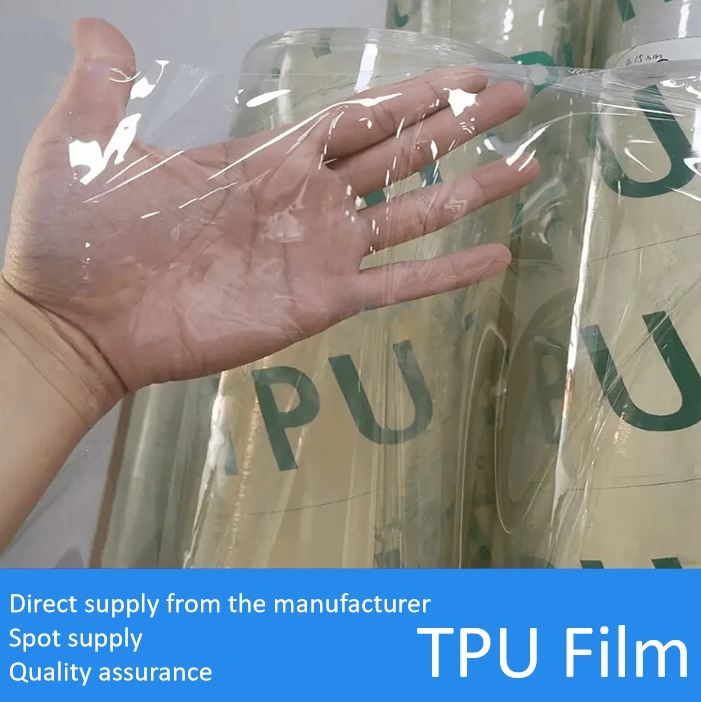
Functional TPU film is a type of thermoplastic elastomer that combines the properties of plastics and rubbers. It is known for its high flexibility, excellent abrasion resistance, and good chemical resistance. These properties make it suitable for a variety of applications, including TPU Film for Heating and Cooling System, Flame Retardant TPU Film, and Heat Transfer TPU Film.
The functionality of TPU film can be enhanced through various modifications. For example, additives can be incorporated to improve its flame retardancy, anti - static properties, or UV resistance. The film can also be engineered to have specific mechanical properties, such as high tensile strength or low hardness, depending on the application requirements.
Ozone and Its Effects on Materials
Ozone (O₃) is a highly reactive gas that is present in the Earth's atmosphere, particularly in the stratosphere and at ground - level in polluted areas. It is a powerful oxidizing agent, which means it can react with many materials and cause degradation.
When materials are exposed to ozone, several types of damage can occur. For polymers, ozone can break the chemical bonds in the polymer chains, leading to a loss of mechanical properties such as strength and flexibility. This can result in cracking, embrittlement, and a reduction in the material's service life.
Performance of Functional TPU Film in Ozone - Rich Environments
Chemical Resistance
One of the key factors in determining how functional TPU film performs in ozone - rich environments is its chemical resistance. TPU has a relatively stable chemical structure, which provides it with a certain degree of resistance to ozone. The urethane groups in the TPU polymer chain are less susceptible to oxidation compared to some other polymers.
However, the performance can vary depending on the specific formulation of the functional TPU film. Additives and modifiers used to enhance other properties may affect its ozone resistance. For example, some plasticizers or fillers may react with ozone, leading to a decrease in the film's overall performance.
Surface Changes
When functional TPU film is exposed to ozone, surface changes can occur. Initially, the film may develop a thin layer of oxidation on its surface. This layer can act as a barrier to further ozone penetration, protecting the underlying material to some extent.
Over time, if the ozone exposure is prolonged or at a high concentration, the surface may start to crack. These cracks can propagate into the bulk of the film, causing a significant reduction in its mechanical properties. The rate of crack formation depends on factors such as the ozone concentration, temperature, and the mechanical stress applied to the film.
Mechanical Property Changes
The mechanical properties of functional TPU film, such as tensile strength, elongation at break, and hardness, can be affected by ozone exposure. In general, as the film is exposed to ozone, its tensile strength and elongation at break tend to decrease. This is because the ozone - induced oxidation breaks the polymer chains, reducing the material's ability to withstand stress.
The hardness of the film may also change. In some cases, the film may become harder and more brittle due to the cross - linking reactions that can occur during oxidation. This change in hardness can have a negative impact on the film's flexibility and its ability to conform to different shapes.
Factors Affecting the Performance of Functional TPU Film in Ozone - Rich Environments
Ozone Concentration
The concentration of ozone in the environment is a crucial factor. Higher ozone concentrations will generally lead to more rapid degradation of the functional TPU film. In industrial areas or areas with high levels of air pollution, the ozone concentration can be several times higher than in clean outdoor environments. This means that the film will experience more severe damage in these areas.
Temperature
Temperature also plays an important role in the ozone - induced degradation of functional TPU film. Higher temperatures can accelerate the chemical reactions between ozone and the film. At elevated temperatures, the mobility of the polymer chains increases, making them more accessible to ozone molecules. This can lead to a faster rate of oxidation and a more significant reduction in the film's mechanical properties.
Exposure Time
The longer the functional TPU film is exposed to ozone, the more damage it will suffer. Even at low ozone concentrations, prolonged exposure can cause cumulative damage to the film. This is why it is important to consider the expected service life of the film in ozone - rich environments when selecting a suitable product.
Strategies to Improve the Ozone Resistance of Functional TPU Film
Material Selection
Choosing the right base polymer and additives is essential for improving the ozone resistance of functional TPU film. Some TPU grades are inherently more resistant to ozone than others. For example, aliphatic TPU generally has better ozone resistance compared to aromatic TPU.
In addition, additives such as antioxidants and ozone protectants can be incorporated into the film formulation. These additives can scavenge ozone molecules and prevent them from reacting with the polymer chains, thereby improving the film's overall ozone resistance.
Surface Treatment
Surface treatments can also be used to enhance the ozone resistance of functional TPU film. For example, applying a protective coating on the surface of the film can act as a barrier to ozone. The coating can be made of materials that are highly resistant to ozone, such as silicone or fluoropolymers.
Design Considerations
In applications where the functional TPU film will be exposed to ozone, proper design can help reduce the impact of ozone damage. For example, minimizing the mechanical stress on the film can slow down the crack propagation. This can be achieved by using proper installation techniques and avoiding sharp bends or excessive stretching of the film.
Applications of Functional TPU Film in Ozone - Rich Environments
Despite the challenges posed by ozone - rich environments, functional TPU film still has a number of applications in such settings. In the automotive industry, for example, TPU film can be used in engine compartments where ozone levels may be relatively high due to the combustion process. Its high flexibility and abrasion resistance make it suitable for sealing and insulating applications.
In industrial settings, functional TPU film can be used in ventilation systems or in areas where ozone is generated as a by - product of manufacturing processes. The film's chemical resistance and ability to withstand mechanical stress make it a viable option for these applications.
Conclusion
Functional TPU film has a certain degree of performance in ozone - rich environments, but its behavior is complex and depends on many factors. Its chemical resistance, surface changes, and mechanical property changes are all influenced by ozone concentration, temperature, and exposure time.
As a supplier of functional TPU film, we are constantly working on improving the ozone resistance of our products. Through material selection, surface treatment, and proper design, we aim to provide films that can withstand the challenges of ozone - rich environments.
If you are interested in using functional TPU film in an ozone - rich environment or have any questions about its performance, please feel free to contact us. We are more than happy to discuss your specific requirements and provide you with the most suitable solutions.
References
- ASTM D1149 - Standard Test Method for Rubber Deterioration - Surface Cracking in an Ozone - Containing Atmosphere
- "Handbook of Thermoplastic Elastomers" by B. M. Walker and C. P. Rader
- Research papers on the degradation of polymers in ozone - rich environments from scientific journals such as Polymer Degradation and Stability.