

When it comes to protecting your car's paint job, Paint Protection Film (PPF) is a popular choice. As a PPF film supplier, I often get asked by customers how they can tell if the PPF film on their car is of good quality. In this blog post, I'll share some key indicators to help you assess the quality of PPF film.
1. Optical Clarity
One of the first things you'll notice about high - quality PPF is its optical clarity. A good PPF film should be virtually invisible on your car. It should not distort the color or finish of your vehicle's paint. When you look at your car from different angles, the paint should look just as it did before the film was applied, but with an added layer of protection.
Low - quality PPF may have a hazy or yellowish tint. This can be particularly noticeable over time, especially when exposed to sunlight. The yellowing is often a sign of poor UV resistance in the film. High - quality PPF is formulated with advanced UV inhibitors that prevent yellowing, ensuring that your car looks great for years to come.
2. Self - Healing Properties
A standout feature of premium PPF is its self - healing ability. When the film is scratched or scuffed, it has the capacity to repair itself over time. This is usually achieved through a special topcoat technology. For minor scratches, such as those from keys or light brush - ups, the film will smooth out and the scratches will disappear.
To test the self - healing property, you can create a light scratch on an inconspicuous area of the film (with the owner's permission, of course). Then, use a heat source like a hair dryer on a low - to - medium setting and direct the warm air towards the scratch. If the film is of good quality, the scratch should start to fade or disappear as the heat activates the self - healing process.
3. Adhesive Quality
The adhesive is what keeps the PPF firmly attached to your car's paint. A high - quality adhesive will bond well to the paint surface without leaving any residue when removed. It should also be flexible enough to conform to the curves and contours of your vehicle.
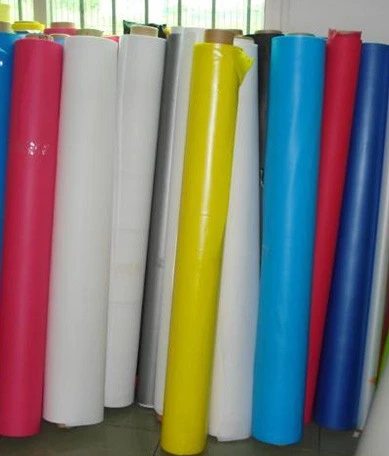
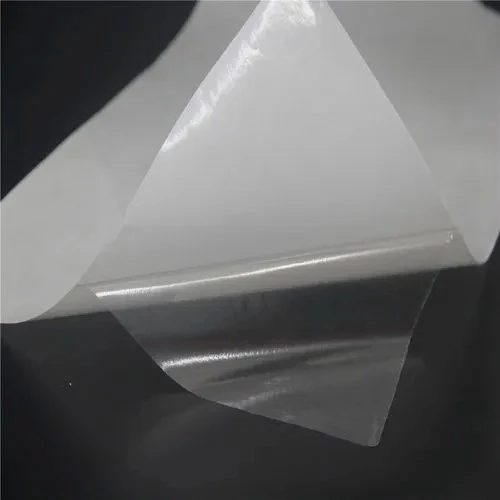
Poor - quality adhesive can lead to a number of problems. It may cause the film to bubble or lift at the edges, allowing dirt and moisture to get underneath. This not only looks unsightly but can also damage the paint over time. Additionally, if the adhesive leaves a sticky residue when removed, it can be difficult and time - consuming to clean off the paint.
When considering the adhesive quality, ask about the type of adhesive used. Some of the latest technologies in PPF adhesives offer better adhesion and long - term stability. For example, some adhesives are designed to be temperature - resistant, ensuring that the film stays in place in both hot and cold climates.
4. Thickness and Durability
The thickness of the PPF is an important factor in its durability. Generally, thicker films offer more protection against impacts and abrasions. However, thickness alone is not the only determinant of quality. A well - engineered thinner film can also provide excellent protection if it has the right combination of materials and technologies.
High - quality PPF is typically made from a multi - layer structure. The topcoat provides the self - healing and scratch - resistant properties, while the base layer offers impact protection. These layers work together to ensure that the film can withstand the rigors of daily driving, including stone chips, road debris, and harsh weather conditions.
5. Resistance to Chemicals and Stains
Your car is exposed to a variety of chemicals on the road, such as bug splatters, bird droppings, and road salts. A good PPF film should be resistant to these substances. It should prevent them from seeping through the film and damaging the paint.
To test the chemical resistance, you can apply a small amount of a common automotive - related chemical (such as a diluted bird - dropping solution) on a small area of the film. After a short period (according to the manufacturer's guidelines), wipe it off. If the film is of good quality, there should be no visible staining or damage to the film or the paint underneath.
6. Warranty
A reliable PPF supplier will offer a comprehensive warranty for their product. The length and terms of the warranty can give you an idea of the confidence the manufacturer has in their film. A longer warranty period, say 5 - 10 years, is often a sign of high - quality PPF.
The warranty should cover issues such as yellowing, peeling, and loss of self - healing properties. It's important to read the fine print and understand what is and isn't covered. Some warranties may require proper maintenance and care of the film, so make sure you follow the manufacturer's instructions.
7. Installation Quality
Even the highest - quality PPF can look bad if it's not installed properly. A professional installation is crucial for the film to perform at its best. Look for installers who have experience and a good reputation. They should be able to apply the film smoothly, without bubbles, wrinkles, or gaps.
During the installation process, the installer should clean the car's paint surface thoroughly to ensure proper adhesion. They should also use the right tools and techniques to cut and fit the film accurately. A well - installed PPF will look seamless and enhance the overall appearance of your car.
8. Compatibility with Other Products
If you plan to use other automotive products on your car, such as waxes, polishes, or cleaning agents, the PPF should be compatible with them. High - quality PPF is formulated to work well with a wide range of automotive products without causing damage or degradation to the film.
Before using any new product on your car with PPF, it's a good idea to test it on a small, inconspicuous area of the film first. This will help you avoid any potential issues and ensure that the film and the product are compatible.
Industry Standards and Certifications
Reputable PPF manufacturers often adhere to industry standards and may have certifications to prove the quality of their products. Look for certifications such as ISO (International Organization for Standardization) standards. These certifications indicate that the manufacturer follows strict quality control processes in the production of the PPF.
In conclusion, determining the quality of PPF film on your car involves a combination of visual inspection, testing, and research. As a PPF film supplier, I am committed to providing high - quality products that meet these standards. If you're in the market for PPF for your car, or if you're a business looking to source PPF, we have a wide range of options to suit your needs.
We also offer other high - quality products such as Po Hot Melt Adhesive for Textile, Flame Retardant TPU Film, and Medical Grade TPU Film.
If you have any questions or are interested in discussing your PPF needs, please don't hesitate to reach out. We're here to help you make the best choice for your car's protection.
References
- Automotive Paint Protection Film Handbook, Industry Publishing Group
- Research on Self - Healing Polymers in Automotive Applications, Journal of Polymer Science
- Best Practices for PPF Installation, Automotive Detailing Association