

Hey there! As a supplier of Hydrophilic TPU Film, I've often gotten questions about how its flexibility changes with temperature. It's a super important topic, especially for folks in industries that rely on this amazing material. So, let's dig in and explore this together.
First off, what's Hydrophilic TPU Film? Well, it's a type of thermoplastic polyurethane film that has a special affinity for water. This property makes it ideal for a bunch of applications, like in the medical field. You can check out more about TPU Film Used In Medical and Hydrophilic TPU Film on our website.
Now, back to the main question: Does the flexibility of Hydrophilic TPU Film change with temperature? The short answer is yes. But to really understand why, we need to look at the science behind it.
Hydrophilic TPU Film is made up of long polymer chains. These chains are like little springs that can stretch and bend. At normal temperatures, these chains can move around pretty freely, which gives the film its flexibility. But when the temperature changes, the behavior of these chains also changes.
When the temperature drops, the polymer chains start to slow down. They become more rigid and less able to move around. This is because the molecules have less energy at lower temperatures. As a result, the film becomes stiffer and less flexible. You might notice that it's harder to bend or stretch the film in cold conditions.
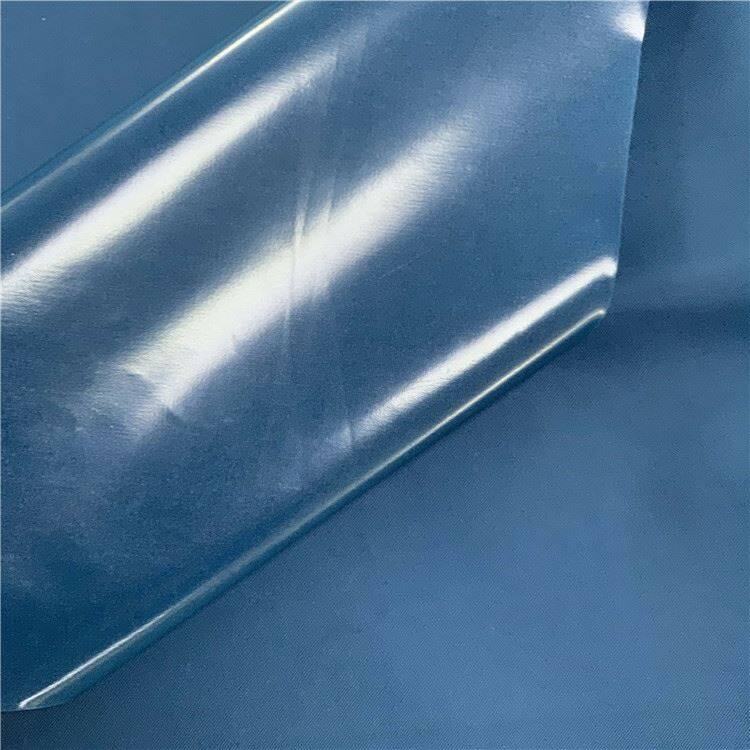

On the other hand, when the temperature rises, the polymer chains gain more energy. They start to move more vigorously, and the film becomes more flexible. It can stretch more easily and conform to different shapes. However, if the temperature gets too high, the film can start to lose its structural integrity. The polymer chains can break down, and the film might melt or deform.
Let's talk about some real - world applications. In the medical industry, Hydrophilic TPU Film is used in things like wound dressings and catheters. In a cold operating room, the stiffness of the film might make it a bit more difficult to handle. But once it comes into contact with the warm body, it becomes more flexible and can better conform to the body's contours.
In the sports equipment industry, Hydrophilic TPU Film can be used in padding. If you're playing in cold weather, the padding might be a bit stiffer at first. But as your body warms it up, it becomes more flexible and comfortable.
So, how do we deal with these temperature - related changes in flexibility? Well, one way is to choose the right grade of Hydrophilic TPU Film. Different grades have different temperature - flexibility profiles. Our TPU Films Selector Tool can help you pick the best film for your specific temperature requirements.
Another option is to use temperature - controlling mechanisms. For example, in a manufacturing process, you can control the temperature of the environment where the film is being used. This way, you can ensure that the film has the right level of flexibility throughout the process.
If you're in an industry that uses Hydrophilic TPU Film and you're worried about temperature - related flexibility issues, don't hesitate to reach out. We're here to help you find the best solutions. Whether you need a film that's more flexible in cold temperatures or one that can withstand high - temperature environments, we've got you covered.
As a supplier, we've done a lot of testing to understand how different grades of Hydrophilic TPU Film behave at various temperatures. We can provide you with detailed data and guidance on which film is right for your application.
So, if you're interested in learning more about our Hydrophilic TPU Film or have any questions about its temperature - flexibility properties, feel free to contact us. We're always happy to have a chat and discuss how we can meet your specific needs. Whether you're a small business just starting out or a large corporation, we're committed to providing you with high - quality products and excellent service.
In conclusion, the flexibility of Hydrophilic TPU Film definitely changes with temperature. But with the right knowledge and the right product selection, you can make the most of this amazing material in any temperature condition. So, get in touch with us today, and let's start a conversation about how our Hydrophilic TPU Film can benefit your business.
References
- Polymer Science textbooks on thermoplastic polyurethanes
- Research papers on the temperature - dependent properties of hydrophilic polymers