

Can TPU Hot Melt be used for bonding dissimilar materials?
Hey there! As a TPU Hot Melt supplier, I get asked a lot of questions about our products. One of the most common ones is whether TPU Hot Melt can be used for bonding dissimilar materials. Well, let's dive right into it and find out!
First off, what exactly is TPU Hot Melt? TPU stands for Thermoplastic Polyurethane. It's a type of polymer that has some really cool properties. TPU Hot Melt is an adhesive that comes in a solid form at room temperature. When heated, it turns into a liquid state, which allows it to be applied and then bond materials together as it cools and solidifies again. You can check out more about TPU Hot Melt on our website.
Now, let's talk about bonding dissimilar materials. Dissimilar materials are basically materials that have different chemical compositions, physical properties, or both. For example, bonding plastic to metal, fabric to rubber, or glass to wood. This can be a real challenge because different materials have different surface energies, expansion rates, and chemical reactions.
So, can TPU Hot Melt handle this challenge? The answer is a big yes! TPU Hot Melt has some unique characteristics that make it a great candidate for bonding dissimilar materials.
One of the key advantages of TPU Hot Melt is its flexibility. Unlike some other adhesives that can become brittle over time, TPU Hot Melt remains flexible even after it has cured. This is really important when bonding dissimilar materials because they often have different expansion and contraction rates due to changes in temperature. The flexibility of TPU Hot Melt allows it to accommodate these differences without breaking the bond.
Another great thing about TPU Hot Melt is its strong adhesion. It can form a strong bond with a wide range of materials, including plastics, metals, fabrics, and rubbers. This is because TPU has polar groups in its molecular structure, which can interact with the surfaces of different materials through various bonding mechanisms such as hydrogen bonding, van der Waals forces, and mechanical interlocking.
Let's take a look at some specific examples of using TPU Hot Melt to bond dissimilar materials.
Bonding Plastic to Metal
Plastic and metal are two very different materials. Plastic is usually lightweight and has a low surface energy, while metal is heavier and has a higher surface energy. TPU Hot Melt can create a strong bond between these two materials. For example, in the automotive industry, TPU Hot Melt is often used to bond plastic trim pieces to metal car bodies. The flexibility of TPU Hot Melt helps to absorb the vibrations and shocks that the car experiences during driving, ensuring that the bond remains intact.
Bonding Fabric to Rubber
Fabric and rubber are also commonly bonded together in various applications, such as in the production of sports equipment and footwear. TPU Hot Melt provides a reliable bond between these two materials. It can penetrate the fabric fibers and form a strong mechanical interlock, while also adhering well to the rubber surface. This results in a durable and flexible bond that can withstand repeated stretching and bending. You can find more about TPU Hot Melt Adhesive Film for Textile on our website.
Bonding Glass to Wood
Glass and wood are very different in terms of their physical and chemical properties. Glass is hard, smooth, and non-porous, while wood is porous and has a fibrous structure. TPU Hot Melt can be used to bond these two materials together. It can fill the pores in the wood and create a strong bond with the glass surface. This is useful in applications such as the production of furniture with glass inserts.
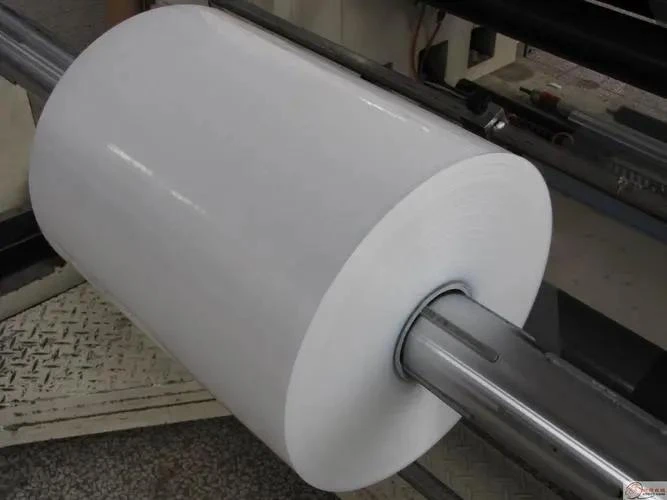

However, there are a few things to keep in mind when using TPU Hot Melt to bond dissimilar materials.
First, the surface preparation of the materials is crucial. The surfaces need to be clean, dry, and free of any contaminants such as oil, grease, or dust. This can be achieved by using appropriate cleaning agents and techniques. A clean surface will ensure better adhesion between the TPU Hot Melt and the materials.
Second, the bonding process needs to be carefully controlled. The temperature, pressure, and time during the bonding process can all affect the quality of the bond. It's important to follow the recommended processing parameters for the specific TPU Hot Melt product you are using.
In addition to the above advantages, TPU Hot Melt is also environmentally friendly. It doesn't contain solvents or volatile organic compounds (VOCs), which means it doesn't release harmful fumes during the bonding process. This makes it a great choice for applications where environmental concerns are important.
Overall, TPU Hot Melt is a versatile and effective adhesive for bonding dissimilar materials. Its flexibility, strong adhesion, and environmental friendliness make it a popular choice in many industries. Whether you're in the automotive, textile, furniture, or any other industry that requires bonding of dissimilar materials, TPU Hot Melt can be a great solution.
If you're interested in using TPU Hot Melt for your bonding needs, or if you have any questions about our products, don't hesitate to get in touch with us. We're always happy to help you find the right TPU Hot Melt product for your specific application. You can also explore more about TPU Hot Melt Adhesive Film on our website.
References
- "Handbook of Adhesives" by I. Skeist
- "Adhesion Science and Engineering" edited by K. L. Mittal