

Hey there! As a PU film supplier, I often get asked this question: Can PU film be bent repeatedly without damage? It's a valid concern, especially for those who are looking to use PU film in applications where it'll be subjected to a lot of bending and flexing. In this blog post, I'm gonna dive deep into this topic and give you the lowdown on whether PU film can withstand repeated bending.
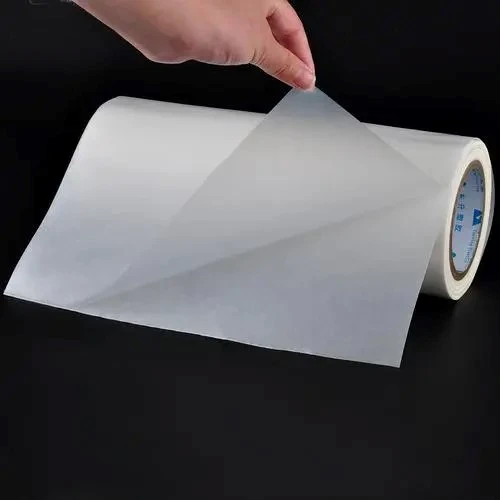
First off, let's talk a bit about what PU film is. PU stands for polyurethane, which is a type of polymer. Polyurethane films are known for their versatility, durability, and excellent physical properties. They're used in a wide range of applications, from Polyurethane Film Medical uses to Polyurethane Film for Outdoor Cover and everything in between. You can check out our full range of Polyurethane Film on our website.
The Structure of PU Film and Its Flexibility
The ability of PU film to be bent repeatedly without damage largely depends on its structure. PU films are typically made up of long polymer chains. These chains are flexible and can move relative to each other. When you bend the film, these chains can adjust their positions, allowing the film to change shape without breaking.
The flexibility of PU film is also influenced by its formulation. Different formulations can have different levels of hardness and softness. Softer PU films tend to be more flexible and can withstand more bending. They have a higher degree of molecular mobility, which means the polymer chains can move around more easily.
Factors Affecting the Repeated Bending Resistance
However, there are several factors that can affect how well a PU film can handle repeated bending.
Thickness
Thicker PU films are generally less flexible than thinner ones. When you try to bend a thick film, there's more material that needs to be deformed. This can put more stress on the film, increasing the likelihood of damage. On the other hand, thinner films are more pliable and can bend more easily.
Additives
Additives are often used in PU film production to enhance certain properties. For example, plasticizers can be added to make the film more flexible. But if the wrong additives are used or if they're used in the wrong amounts, they can actually reduce the film's ability to withstand repeated bending. Some additives might make the film more brittle over time, causing it to crack or break when bent.
Environmental Conditions
The environment in which the PU film is used also plays a role. Extreme temperatures can affect the film's flexibility. In cold temperatures, the polymer chains in the film become more rigid, making the film less bendable. If you try to bend a cold PU film repeatedly, it's more likely to crack. On the other hand, high temperatures can cause the film to soften and lose its shape.
Testing the Repeated Bending Resistance
To determine whether a particular PU film can be bent repeatedly without damage, we usually conduct bending tests. These tests involve bending the film back and forth a certain number of times at a specific angle and speed. We then examine the film for any signs of damage, such as cracks, tears, or delamination.
In our tests, we've found that most of our high - quality PU films can withstand thousands of bends without significant damage. Of course, this can vary depending on the specific product and the test conditions.
Real - World Applications
Let's take a look at some real - world applications where repeated bending is a common requirement.
Medical Devices
In the medical field, PU films are used in applications like catheters and wound dressings. These products need to be able to bend and flex as the patient moves. Our Polyurethane Film Medical products are designed to be highly flexible and can withstand the repeated bending that occurs during normal use.
Outdoor Covers
For Polyurethane Film for Outdoor Cover, such as those used on tents or awnings, the film needs to be able to bend with the movement of the wind and other environmental factors. Our outdoor cover films are formulated to be both durable and flexible, so they can handle the constant bending without breaking.
How to Ensure Long - Term Bending Resistance
If you're planning to use PU film in an application that requires repeated bending, here are some tips to ensure its long - term performance.
Choose the Right Film
Select a film that's specifically designed for high - flexibility applications. Consider the thickness, formulation, and any additives used. We can help you choose the best product for your needs based on your requirements.
Proper Installation
Make sure the film is installed correctly. Improper installation can put unnecessary stress on the film, reducing its ability to withstand repeated bending. Follow the installation instructions carefully.
Regular Maintenance
Even the most durable PU films need some maintenance. Keep the film clean and protect it from harsh chemicals and extreme environmental conditions. Regular inspections can also help you catch any potential problems early.
Conclusion
So, can PU film be bent repeatedly without damage? The answer is yes, but it depends on several factors. Our high - quality PU films are designed to be flexible and can withstand a significant amount of bending. By choosing the right film, installing it properly, and maintaining it well, you can ensure that it will perform well in applications that require repeated bending.
If you're interested in purchasing PU film for your project, whether it's for medical use, outdoor covers, or any other application, we'd love to hear from you. We can provide you with more information about our products and help you find the perfect solution for your needs. Contact us today to start the procurement negotiation process.
References
- Polyurethane Handbook, edited by G. Oertel
- Journal of Polymer Science: Part B: Polymer Physics, various issues on polyurethane flexibility studies