

Can paint protection film be used on race cars? This is a question that has intrigued many motorsport enthusiasts and race car teams. As a paint protection film (PPF) supplier, I've had the opportunity to delve deep into this topic and explore the feasibility and benefits of using PPF on high - performance race cars.
The Demands of Race Cars
Race cars operate in an extremely demanding environment. They are exposed to high - speed debris, such as stones, gravel, and rubber particles kicked up from the track. These projectiles can cause significant damage to the car's paintwork, leading to chips, scratches, and dents. Additionally, race cars are often subjected to intense sunlight, which can fade and oxidize the paint over time. The aerodynamic design of race cars also means that they generate high levels of heat, which can further stress the paint and other exterior components.

Properties of Paint Protection Film
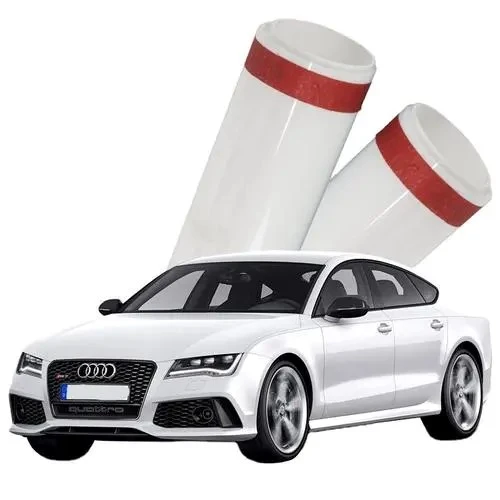
Paint protection film is a thin, transparent layer typically made from thermoplastic polyurethane (TPU). It is designed to adhere to the surface of a vehicle and act as a sacrificial barrier. One of the key properties of high - quality PPF is its self - healing ability. Minor scratches and swirl marks can often repair themselves when the film is exposed to heat, whether from the sun or a heat gun.
This Scratch Resistant TPU Film offers excellent abrasion resistance, which is crucial for withstanding the impact of debris on the race track. It also has UV - resistant properties, protecting the underlying paint from the harmful effects of the sun. Moreover, PPF is flexible and can conform to the complex curves and shapes of a race car's body, providing full - coverage protection.
Advantages of Using PPF on Race Cars
- Protection Against Physical Damage
- The primary advantage of using PPF on race cars is protection against physical damage. The film can absorb the impact of stones and other debris, preventing them from directly hitting the paint. This is especially important for race cars, as even a small chip in the paint can compromise the aerodynamics of the vehicle and potentially lead to reduced performance.
- Maintaining Aesthetics
- Race cars are not only high - performance machines but also often works of art. PPF helps to maintain the pristine appearance of the car by preventing scratches and fading. This is beneficial for both the team's image and the resale value of the vehicle.
- Cost - Effective Solution
- While the initial investment in PPF may seem significant, it can be a cost - effective solution in the long run. Repainting a race car can be extremely expensive, especially if it has a custom - designed livery. By using PPF, teams can avoid or delay the need for costly repainting jobs.
Challenges of Using PPF on Race Cars
- High - Speed Aerodynamics
- One of the challenges of using PPF on race cars is ensuring that it does not negatively affect the vehicle's aerodynamics. At high speeds, even a small disruption in the airflow over the car's surface can lead to increased drag and reduced performance. However, modern PPFs are designed to be thin and have a smooth surface finish, minimizing any aerodynamic impact.
- Heat Resistance
- Race cars generate a large amount of heat, especially in areas such as the engine bay and exhaust. The PPF must be able to withstand these high temperatures without melting or deforming. High - quality PPFs are engineered to have excellent heat resistance, but proper installation and selection of the right film are crucial.
- Installation Complexity
- Installing PPF on a race car can be a complex process. The car's body has many intricate shapes and curves, and the film must be precisely cut and applied to ensure full coverage and a seamless appearance. Professional installation is highly recommended to avoid issues such as air bubbles or wrinkles in the film.
Case Studies
There have been several successful applications of PPF on race cars. For example, in some endurance racing events, teams have reported that PPF has significantly reduced the amount of paint damage on their cars. This has allowed them to focus on performance rather than spending time and resources on paint repairs during the race.
In the world of Formula One, although the use of PPF is not as widespread due to the strict regulations and the need for every component to be as lightweight as possible, some teams have experimented with it on non - critical areas of the car. These tests have shown promising results in terms of protecting the paint from minor scratches and debris.
PPF for Different Types of Race Cars
- Touring Cars
- Touring cars are often raced on closed - circuit tracks and are exposed to a variety of debris. PPF can be a great option for these cars, providing protection against chips and scratches. The PPF On Car can be customized to fit the specific shape and design of touring cars, ensuring optimal protection.
- Sports Cars in Endurance Races
- Endurance races, such as the 24 Hours of Le Mans, subject cars to long - term exposure to the elements and high - speed driving. PPF can protect the paint from both physical damage and UV rays over the course of these extended races. It can also help to maintain the car's appearance, which is important for sponsors and team branding.
- Formula Cars
- As mentioned earlier, Formula cars operate under very strict regulations. However, for non - critical areas such as the sidepods or the rear wing, PPF can be used to protect the paint. The lightweight nature of modern PPFs makes them a more viable option for these high - performance vehicles.
Considerations for Race Car Teams
- Film Selection
- Race car teams should carefully select the PPF based on the specific requirements of their vehicle. Factors such as heat resistance, abrasion resistance, and self - healing properties should be taken into account.
- Installation and Maintenance
- Professional installation is essential for ensuring the proper functioning of the PPF. Additionally, regular maintenance, such as cleaning the film with a mild soap and water solution, can help to prolong its lifespan.
- Regulatory Compliance
- Teams must ensure that the use of PPF complies with the regulations of the racing series they are participating in. Some series may have restrictions on the use of external coatings or films.
Conclusion
In conclusion, paint protection film can indeed be used on race cars. While there are challenges to overcome, the benefits of using PPF, such as protection against physical damage, maintaining aesthetics, and cost - effectiveness, make it a viable option for many race car teams. As a PPF supplier, we offer a range of high - quality films, including the Paint Protection Film for Tesla, which can be customized to meet the specific needs of race cars.
If you are a race car team or an individual enthusiast interested in protecting your race car's paintwork, we invite you to contact us for more information. We can provide detailed product specifications, installation guidance, and pricing. Let's work together to ensure your race car looks its best and performs at its peak on the track.
References
- "Automotive Paint Protection Films: Technology and Market Trends" - Industry report on automotive PPF.
- "The Physics of Racing" - A comprehensive book on the physical aspects of race car performance, which includes information on aerodynamics and heat management.
- Case studies from various racing events and teams on the use of PPF.