

As a supplier of Pa Hot Melt Adhesives, I often encounter questions from customers regarding the suitability of our products for food - contact applications. This is a critical topic, as the safety of food - contact materials is of utmost importance to both consumers and regulatory bodies. In this blog, I will delve into the factors that determine whether Pa Hot Melt Adhesives can be used in food - contact scenarios, including the composition of these adhesives, relevant regulations, and real - world applications.
Composition of Pa Hot Melt Adhesives
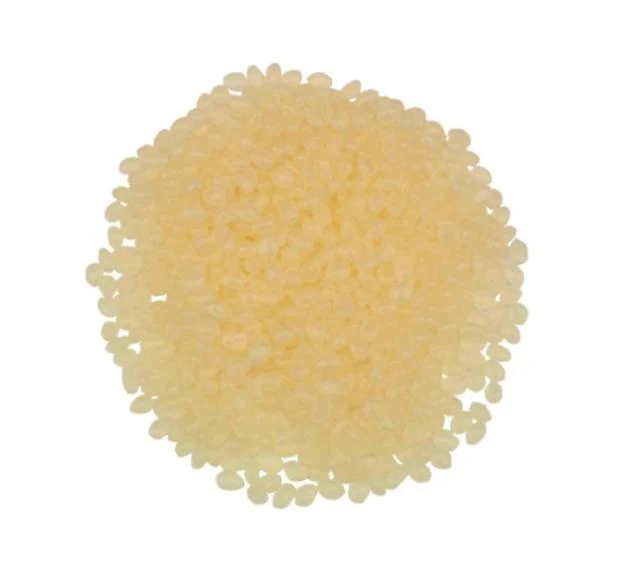
Pa Hot Melt Adhesives, or Polyamide Hot Melt Adhesives, are thermoplastic adhesives known for their excellent bonding strength, flexibility, and resistance to chemicals and heat. They are typically composed of polyamide resins, which are polymers formed by the reaction of diamines and dicarboxylic acids. Other additives may include plasticizers, antioxidants, and stabilizers, which enhance the adhesive's performance characteristics such as flexibility, durability, and resistance to oxidation.
The base polyamide resins in Pa Hot Melt Adhesives are generally considered to be relatively inert and have low toxicity. However, the presence of additives can raise concerns when it comes to food - contact applications. Some plasticizers, for example, may have the potential to migrate from the adhesive into the food, especially under certain conditions such as high temperature or prolonged contact.
Regulatory Considerations
In the United States, the Food and Drug Administration (FDA) regulates food - contact materials under the Federal Food, Drug, and Cosmetic Act (FD&C Act) and the associated regulations in Title 21 of the Code of Federal Regulations (21 CFR). The FDA has established specific requirements for substances that come into contact with food, including adhesives. These requirements ensure that the substances do not pose a risk of adulterating the food and are safe for human consumption.
For Pa Hot Melt Adhesives to be used in food - contact applications, they must comply with the FDA's regulations. This typically involves demonstrating that the adhesive and its components meet the applicable requirements for food - contact use. The FDA may require testing to determine the migration potential of the adhesive's components into food, as well as the safety of these components at the expected levels of migration.
In the European Union, the use of food - contact materials is regulated by Regulation (EU) No 10/2011. This regulation sets out specific rules for plastic materials and articles intended to come into contact with food, including requirements for the composition, migration limits, and labeling of these materials. Similar to the FDA, the European Food Safety Authority (EFSA) evaluates the safety of substances used in food - contact materials.
Migration Testing
Migration testing is a crucial step in determining the suitability of Pa Hot Melt Adhesives for food - contact applications. The purpose of migration testing is to measure the amount of substances that migrate from the adhesive into the food or food simulant under specific conditions. The testing conditions are designed to simulate real - world scenarios, such as different temperatures, contact times, and types of food.
There are several methods for conducting migration testing, including the use of food simulants. Food simulants are substances that mimic the properties of different types of food, such as water - based, acidic, alcoholic, or fatty foods. The adhesive sample is placed in contact with the food simulant under the specified conditions, and the amount of migrated substances is then analyzed using analytical techniques such as gas chromatography or high - performance liquid chromatography.

If the migration levels of the adhesive's components are within the acceptable limits set by the regulatory authorities, the adhesive can be considered suitable for food - contact use. However, if the migration levels exceed the limits, the adhesive may not be safe for use in food - contact applications, and modifications to the adhesive's formulation may be required.
Real - World Applications
Despite the regulatory challenges, there are some real - world applications where Pa Hot Melt Adhesives can be used in food - contact scenarios. For example, in the packaging industry, Pa Hot Melt Adhesives can be used to seal food packaging materials such as paperboard boxes or plastic films. In these applications, the adhesive is typically in indirect contact with the food, as there is a barrier layer between the adhesive and the food.
When using Pa Hot Melt Adhesives in food - contact packaging, it is important to ensure that the packaging design provides an effective barrier to prevent the migration of the adhesive's components into the food. This may involve using appropriate barrier materials, such as aluminum foil or high - density polyethylene, and ensuring that the adhesive is applied in a way that minimizes its contact with the food.
Another potential application is in the assembly of food processing equipment. Pa Hot Melt Adhesives can be used to bond components of the equipment, such as gaskets or seals. In this case, the adhesive is in direct contact with the food, but the equipment is designed to be cleaned regularly to prevent the accumulation of food residues and the potential for migration.
Our Products and Compliance
At our company, we understand the importance of providing safe and compliant Pa Hot Melt Adhesives for our customers. We offer a range of products, including Pa Hot Adhesive Film and Henkel Technomelt Pa 7802 Polyamide Hot Melt, which are designed to meet the highest quality and safety standards.
Our Pa Hot Melt Adhesives undergo rigorous testing to ensure compliance with the relevant regulations, including FDA and EU requirements. We work closely with our customers to understand their specific needs and provide customized solutions for food - contact applications. Our technical team is available to provide support and guidance on the selection, application, and compliance of our products.
Conclusion
In conclusion, Pa Hot Melt Adhesives can be used in food - contact applications, but only if they comply with the relevant regulatory requirements. Migration testing is essential to determine the safety of these adhesives, and the packaging design or equipment design must be carefully considered to prevent the migration of the adhesive's components into the food.
As a leading supplier of Polyamide Hot Melt Adhesives, we are committed to providing our customers with high - quality, safe, and compliant products. If you are interested in using our Pa Hot Melt Adhesives for food - contact applications, we encourage you to contact us for more information and to discuss your specific requirements. Our team of experts is ready to assist you in finding the best solution for your needs.
References
- Federal Food, Drug, and Cosmetic Act (FD&C Act), United States
- 21 CFR, Title 21 of the Code of Federal Regulations, United States
- Regulation (EU) No 10/2011, European Union
- European Food Safety Authority (EFSA) guidelines
- ASTM International standards for migration testing