

As a supplier of Pa Hot Melt Adhesives, I often encounter inquiries from customers regarding the compatibility of our products with different materials, especially polypropylene. Polypropylene is a widely used thermoplastic polymer known for its excellent chemical resistance, low density, and high flexibility. These properties make it a popular choice in various industries, including packaging, automotive, and consumer goods. However, bonding polypropylene can be challenging due to its low surface energy and non - polar nature. In this blog post, I will explore whether Pa Hot Melt Adhesives can be effectively used for bonding polypropylene.
Understanding Pa Hot Melt Adhesives
Pa Hot Melt Adhesives, or Polyamide Hot Melt Adhesives, are a type of thermoplastic adhesive that is solid at room temperature and melts when heated. Once melted, they can be applied to substrates and form a strong bond as they cool and solidify again. Polyamide hot melt adhesives offer several advantages, such as fast bonding speed, good heat resistance, and excellent flexibility. They are commonly used in applications where a durable and reliable bond is required, such as in the textile, woodworking, and electronics industries. Polyamide Hot Melt Adhesives
The Challenge of Bonding Polypropylene
Polypropylene has a low surface energy, which means that it does not easily wet with most adhesives. Surface energy is a measure of the intermolecular forces at the surface of a material. Materials with high surface energy, like glass or metal, can be easily bonded because adhesives can spread out and form strong intermolecular bonds with them. In contrast, polypropylene's low surface energy causes adhesives to bead up on its surface, resulting in poor adhesion.
Another factor that makes bonding polypropylene difficult is its non - polar nature. Polyamide hot melt adhesives typically have polar functional groups in their molecular structure. These polar groups allow the adhesive to form strong bonds with polar substrates through mechanisms such as hydrogen bonding and dipole - dipole interactions. Since polypropylene is non - polar, there are no strong intermolecular forces between the adhesive and the substrate, which further reduces the bond strength.
Can Pa Hot Melt Adhesives Bond Polypropylene?
The answer is yes, but with some considerations. While bonding polypropylene with Pa Hot Melt Adhesives is not straightforward, it is possible to achieve a satisfactory bond under the right conditions.
Surface Treatment
One of the most effective ways to improve the adhesion of Pa Hot Melt Adhesives to polypropylene is through surface treatment. Surface treatment methods can increase the surface energy of polypropylene and introduce polar functional groups to its surface. Some common surface treatment techniques include:
- Flame Treatment: This involves passing the polypropylene surface through a flame. The heat from the flame oxidizes the surface of the polypropylene, creating polar functional groups such as carbonyl and hydroxyl groups. Flame treatment can significantly improve the wettability of the surface and enhance the bond strength between the Pa Hot Melt Adhesive and the polypropylene.
- Plasma Treatment: Plasma treatment uses a high - energy plasma to modify the surface of the polypropylene. The plasma can break the carbon - hydrogen bonds on the surface and introduce polar groups. Plasma treatment is a precise and controllable method that can be used to achieve consistent surface properties across a large area.
- Chemical Etching: Chemical etching involves treating the polypropylene surface with a chemical solution that can react with the surface and modify its properties. For example, chromic acid can be used to etch the polypropylene surface, creating a rougher surface with increased surface area and polar functional groups.
Selecting the Right Pa Hot Melt Adhesive
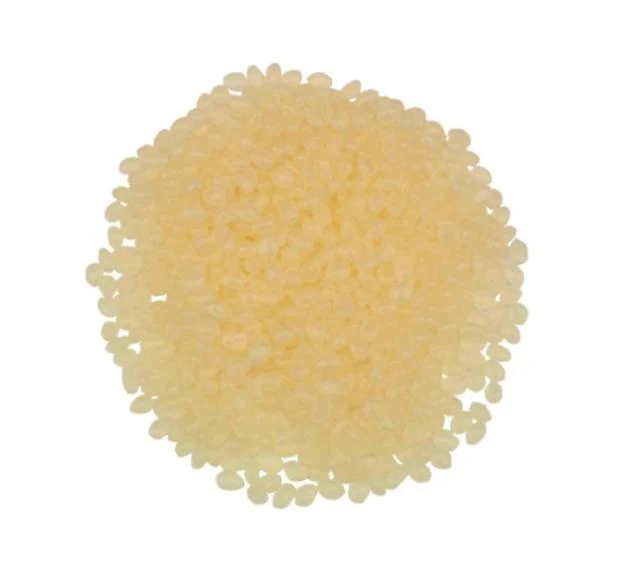
Not all Pa Hot Melt Adhesives are suitable for bonding polypropylene. When selecting an adhesive, it is important to choose one that has been formulated to have good adhesion to polypropylene. Some polyamide hot melt adhesives are specifically designed with additives or modified molecular structures to improve their compatibility with non - polar substrates. Henkel Technomelt Pa 7802 Polyamide Hot Melt is an example of a polyamide hot melt adhesive that may offer better adhesion to polypropylene due to its unique formulation.

Process Optimization
The bonding process also plays a crucial role in achieving a strong bond between Pa Hot Melt Adhesives and polypropylene. The temperature at which the adhesive is applied, the pressure applied during bonding, and the cooling rate can all affect the bond strength.
- Temperature: The melting temperature of the Pa Hot Melt Adhesive should be carefully controlled. If the temperature is too low, the adhesive may not flow properly and may not wet the polypropylene surface effectively. On the other hand, if the temperature is too high, it may cause thermal degradation of the polypropylene or the adhesive, reducing the bond strength.
- Pressure: Applying pressure during the bonding process can help the adhesive to spread out and penetrate the surface of the polypropylene. This can improve the mechanical interlocking between the adhesive and the substrate, resulting in a stronger bond.
- Cooling Rate: The cooling rate of the adhesive can affect its crystallization behavior and the final bond strength. A controlled cooling rate can ensure that the adhesive crystallizes in a way that maximizes its strength and durability.
Applications of Pa Hot Melt Adhesives Bonding Polypropylene
Despite the challenges, there are several applications where Pa Hot Melt Adhesives can be used to bond polypropylene.
- Automotive Industry: In the automotive industry, polypropylene is used in various components such as interior trim parts, bumpers, and dashboard components. Pa Hot Melt Adhesives can be used to bond these polypropylene parts together or to other materials, providing a strong and flexible bond that can withstand the vibrations and temperature changes in a vehicle.
- Packaging Industry: Polypropylene is widely used in packaging applications due to its lightweight and excellent barrier properties. Pa Hot Melt Adhesives can be used to seal polypropylene packaging, providing a reliable and cost - effective bonding solution.
- Consumer Goods: Many consumer goods, such as toys, electronics casings, and household appliances, are made of polypropylene. Pa Hot Melt Adhesives can be used to assemble these products, ensuring a long - lasting and secure bond.
Conclusion
In conclusion, Pa Hot Melt Adhesives can be used for bonding polypropylene, but it requires careful consideration of surface treatment, adhesive selection, and process optimization. With the right approach, it is possible to achieve a strong and reliable bond between polypropylene and Pa Hot Melt Adhesives. As a supplier of Pa Hot Adhesive Film, we are committed to providing our customers with high - quality products and technical support to help them overcome the challenges of bonding polypropylene. If you are interested in using our Pa Hot Melt Adhesives for your polypropylene bonding applications, please feel free to contact us for more information and to discuss your specific requirements. We look forward to the opportunity to work with you and provide you with the best bonding solutions.
References
- ASTM International. Standard Test Methods for Strength Properties of Adhesive Bonds in Shear by Tension Loading (Metal - to - Metal). ASTM D1002 - 10.
- Welding Journal. "Adhesive Bonding of Polypropylene: A Review." Vol. 85, No. 4, 2006.
- Ober, Christopher K. "Polymer Surfaces and Interfaces: An Introduction." CRC Press, 1993.