

Medical optical devices play a crucial role in modern healthcare, enabling accurate diagnosis, treatment, and monitoring of various medical conditions. As a leading supplier of Medical Grade TPU Film, I often receive inquiries about the suitability of our product for use in medical optical devices. In this blog post, I will explore the potential applications of Medical Grade TPU Film in medical optical devices, discussing its properties, advantages, and limitations.
Properties of Medical Grade TPU Film
Medical Grade TPU Film is a thermoplastic polyurethane film that is specifically designed for use in medical applications. It offers a unique combination of properties that make it an attractive material for medical optical devices:

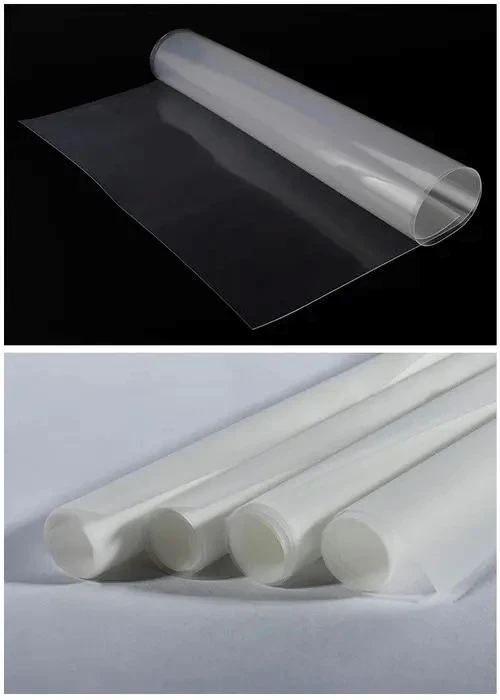
- Optical Clarity: Medical Grade TPU Film has excellent optical clarity, allowing for high-quality visualization of medical images and data. This is essential for medical optical devices such as endoscopes, microscopes, and ophthalmic lenses, where clear and accurate imaging is critical for diagnosis and treatment.
- Flexibility and Durability: TPU Film is highly flexible and can be easily formed into various shapes and sizes, making it suitable for use in a wide range of medical optical devices. It is also highly durable, resistant to wear, tear, and chemical exposure, ensuring long-term performance and reliability.
- Biocompatibility: Medical Grade TPU Film is biocompatible, meaning it is non-toxic and does not cause any adverse reactions when in contact with living tissues. This makes it safe for use in medical applications where direct contact with the human body is required, such as wound dressings, catheters, and implants.
- Sterilizability: TPU Film can be easily sterilized using a variety of methods, including steam, ethylene oxide, and gamma irradiation. This ensures that medical optical devices made from TPU Film can be safely used in a sterile environment, reducing the risk of infection and cross-contamination.
Advantages of Using Medical Grade TPU Film in Medical Optical Devices
The use of Medical Grade TPU Film in medical optical devices offers several advantages over traditional materials:
- Improved Image Quality: The high optical clarity of TPU Film allows for improved image quality, enabling more accurate diagnosis and treatment. This is particularly important in applications such as endoscopy and microscopy, where clear and detailed images are essential for detecting and treating medical conditions.
- Enhanced Comfort and Safety: The flexibility and biocompatibility of TPU Film make it more comfortable and safer to use in medical optical devices. It can conform to the shape of the body, reducing discomfort and irritation for patients. It also reduces the risk of infection and allergic reactions, making it a preferred choice for medical applications.
- Design Flexibility: TPU Film can be easily formed into various shapes and sizes, allowing for greater design flexibility in medical optical devices. This enables the development of innovative and customized devices that meet the specific needs of patients and healthcare providers.
- Cost-Effectiveness: TPU Film is a cost-effective alternative to traditional materials such as glass and silicone. It is less expensive to produce and can be easily processed, reducing the overall cost of manufacturing medical optical devices.
Potential Applications of Medical Grade TPU Film in Medical Optical Devices
Medical Grade TPU Film has a wide range of potential applications in medical optical devices, including:
- Endoscopes: Endoscopes are medical devices that are used to visualize the inside of the body. They are commonly used in procedures such as colonoscopies, gastroscopies, and bronchoscopies. TPU Film can be used to manufacture the outer sheath of endoscopes, providing a flexible and durable protective layer that is resistant to wear and tear. It can also be used to manufacture the lenses and light guides of endoscopes, improving the optical performance and image quality.
- Microscopes: Microscopes are used to magnify and visualize small objects and cells. They are commonly used in research, diagnosis, and treatment of medical conditions. TPU Film can be used to manufacture the lenses and filters of microscopes, providing a high-quality optical surface that is resistant to scratches and chemical exposure. It can also be used to manufacture the housing and frame of microscopes, providing a lightweight and durable structure.
- Ophthalmic Lenses: Ophthalmic lenses are used to correct vision problems such as nearsightedness, farsightedness, and astigmatism. They are commonly used in glasses and contact lenses. TPU Film can be used to manufacture the lenses of ophthalmic devices, providing a flexible and comfortable alternative to traditional materials such as glass and plastic. It can also be used to manufacture the frames and temples of glasses, providing a lightweight and durable structure.
- Medical Imaging Devices: Medical imaging devices such as X-ray machines, CT scanners, and MRI machines are used to visualize the inside of the body. They are commonly used in diagnosis and treatment of medical conditions. TPU Film can be used to manufacture the protective covers and shields of medical imaging devices, providing a flexible and durable barrier that is resistant to radiation and chemical exposure. It can also be used to manufacture the cables and connectors of medical imaging devices, providing a reliable and safe electrical connection.
Limitations of Using Medical Grade TPU Film in Medical Optical Devices
While Medical Grade TPU Film offers many advantages for use in medical optical devices, it also has some limitations:
- Scratch Resistance: TPU Film is not as scratch-resistant as glass and other traditional materials. This can limit its use in applications where the optical surface is exposed to abrasion and wear.
- UV Resistance: TPU Film is not as UV-resistant as some other materials. This can limit its use in applications where the device is exposed to sunlight or other sources of UV radiation.
- Temperature Resistance: TPU Film has a limited temperature resistance compared to some other materials. This can limit its use in applications where the device is exposed to high temperatures.
Conclusion
Medical Grade TPU Film has the potential to be used in a wide range of medical optical devices, offering several advantages over traditional materials. Its high optical clarity, flexibility, biocompatibility, and sterilizability make it an attractive choice for applications such as endoscopes, microscopes, ophthalmic lenses, and medical imaging devices. However, it also has some limitations, such as scratch resistance, UV resistance, and temperature resistance, which need to be considered when selecting the material for a specific application.
As a supplier of Medical Grade TPU Film, we are committed to providing high-quality products that meet the specific needs of our customers. We work closely with our customers to understand their requirements and develop customized solutions that optimize the performance and reliability of their medical optical devices. If you are interested in learning more about our Medical Grade TPU Film or discussing potential applications in your medical optical devices, please contact us to start a procurement discussion.
References
- Smith, J. (2020). Medical Grade Polymers: Properties and Applications. CRC Press.
- Jones, A. (2019). Advances in Medical Optical Devices. Springer.
- Brown, C. (2018). Biocompatible Materials for Medical Applications. Elsevier.