

Hey there! As a supplier of Medical Grade TPU Film, I often get asked one burning question: Can Medical Grade TPU Film be sterilized? Well, let's dive right into this topic and find out.
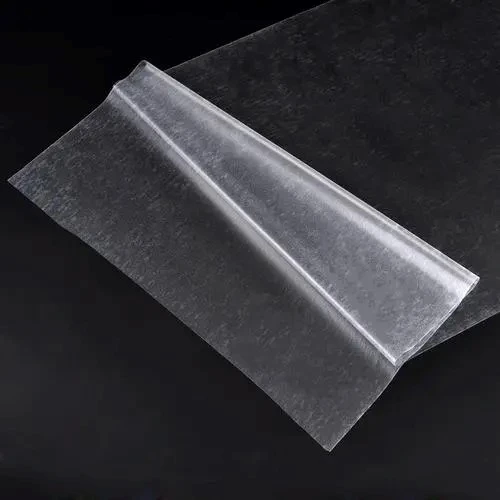
First off, what is Medical Grade TPU Film? TPU stands for thermoplastic polyurethane. It's a super versatile material known for its flexibility, durability, and excellent chemical resistance. Medical Grade TPU Film is specifically designed for medical applications, which means it has to meet strict standards for safety and performance.
Now, onto the main question - sterilization. Sterilization is a crucial process in the medical field. It's all about getting rid of all forms of microbial life, including bacteria, viruses, and fungi, to prevent infections and ensure the safety of medical products. There are several methods of sterilization, and each has its own pros and cons when it comes to using them on Medical Grade TPU Film.
Steam Sterilization
Steam sterilization, also known as autoclaving, is one of the most common methods. It involves using high - pressure steam at temperatures around 121 - 134°C for a specific period of time. This method is great because it's fast, effective, and relatively inexpensive.
But here's the deal with Medical Grade TPU Film. TPU has a relatively low melting point compared to some other materials. High - temperature steam sterilization can potentially cause the film to deform or lose its physical properties. If the film gets too hot, it might start to melt or become sticky, which is a big no - no for medical applications. So, while steam sterilization is a powerful method, it's not always the best option for TPU film.
Ethylene Oxide (EO) Sterilization
EO sterilization is another popular choice. It works by exposing the product to ethylene oxide gas in a sealed chamber. This gas is very effective at killing microorganisms because it can penetrate deep into the product.
The good news is that EO sterilization can be done at relatively low temperatures, which is great for Medical Grade TPU Film. It won't cause the film to melt or deform like high - temperature steam sterilization might. However, there are some drawbacks. Ethylene oxide is a toxic gas, and it needs to be handled with extreme care. Also, after the sterilization process, the product needs to go through a degassing period to remove any residual EO, which can take several days.
Gamma Irradiation
Gamma irradiation uses high - energy gamma rays, usually from a cobalt - 60 source, to kill microorganisms. It's a very effective method because the gamma rays can penetrate through the entire product, ensuring thorough sterilization.
Gamma irradiation has some advantages for Medical Grade TPU Film. It can be done at room temperature, so there's no risk of the film melting or deforming due to heat. But, it can have some negative effects on the TPU material. Over time, gamma irradiation can cause the TPU to degrade, which can lead to changes in its mechanical properties, like reduced flexibility and strength.
Electron Beam (e - beam) Irradiation
e - beam irradiation is similar to gamma irradiation, but it uses high - energy electrons instead of gamma rays. It's a fast process, and it can be controlled precisely.
For Medical Grade TPU Film, e - beam irradiation can be a good option. It can sterilize the film quickly without the need for high temperatures. However, like gamma irradiation, it can also cause some degradation of the TPU material, especially if the dosage is too high.
Chemical Sterilization
Chemical sterilization involves using chemicals like hydrogen peroxide or peracetic acid to kill microorganisms. These chemicals can be used in liquid or vapor form.
The advantage of chemical sterilization for TPU film is that it can be done at relatively low temperatures. But, the chemicals need to be carefully selected because some might react with the TPU and cause damage. Also, thorough rinsing is required after the sterilization process to remove any residual chemicals.

So, can Medical Grade TPU Film be sterilized? The answer is yes, but the choice of sterilization method depends on a few factors. If the film is going to be used in a single - use application, a method like gamma irradiation or e - beam irradiation might be suitable, even though they can cause some degradation over time. For applications where the film needs to be reused, EO sterilization or chemical sterilization might be better options because they're less likely to cause long - term damage.
Now, I want to mention a couple of our products. We have TPU Film for Pressuer, which is designed for applications where pressure resistance is important. And our TPU Film for Sofa is great for covering medical sofas and providing a hygienic surface.
If you're in the market for Medical Grade TPU Film and have questions about sterilization or any other aspect of our products, we're here to help. Whether you're a medical device manufacturer, a hospital, or anyone else in need of high - quality TPU film, we can work with you to find the best solution for your specific needs. Reach out to us to start a conversation about your requirements and let's see how we can meet them.
References
- "Sterilization Technologies in the Medical Device Industry" by various authors in the Journal of Medical Device Technology.
- "Thermoplastic Polyurethane Elastomers: A Review" which discusses the properties and applications of TPU.
- Manufacturer's guidelines for Medical Grade TPU Film regarding sterilization compatibility.