

Hey there! As a hot melt adhesive film supplier, I often get asked a bunch of questions about where our products can be used. One question that pops up quite a bit is, "Can hot melt adhesive film be used for bonding rubber?" Well, let's dive right into this topic and find out.
First off, let's talk a bit about what hot melt adhesive film is. It's a type of adhesive that comes in a film form. When heated, it turns into a liquid state and can stick two materials together. Once it cools down, it solidifies and creates a strong bond. It's used in a whole bunch of industries, like footwear, automotive, and even in some household products.
Now, onto rubber. Rubber is a pretty unique material. It's flexible, elastic, and can withstand a fair amount of wear and tear. But here's the thing - bonding rubber can be a bit tricky. Rubber has a low surface energy, which means it's not always easy for adhesives to stick to it.
So, can hot melt adhesive film do the job? The answer is yes, but there are some things you need to keep in mind.
Compatibility
The first and most important thing is compatibility. Not all hot melt adhesive films are created equal, and not all of them will work well with rubber. You need to choose a film that's specifically designed to bond with rubber. For example, some films are formulated to have a high level of tack and adhesion to rubber surfaces.

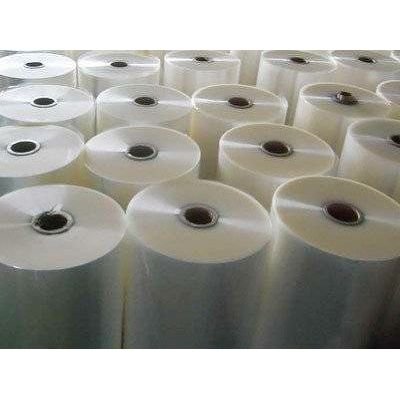
We've done a lot of research and development in this area, and we've come up with some great solutions. Our Hot Melt Adhesive Film for Shoe Sole is a perfect example. It's designed to bond rubber soles to shoe uppers, and it works like a charm. The film has excellent flexibility and adhesion, which means it can handle the constant bending and stretching that shoes go through.
Surface Preparation
Another crucial factor is surface preparation. Before you apply the hot melt adhesive film, you need to make sure the rubber surface is clean and dry. Any dirt, oil, or moisture on the surface can prevent the adhesive from bonding properly. You can use a mild solvent to clean the rubber surface, but make sure to let it dry completely before applying the film.
In some cases, you might also need to roughen the rubber surface slightly. This can increase the surface area and help the adhesive bond better. You can use sandpaper or a wire brush to roughen the surface, but be careful not to damage the rubber.
Bonding Process
The bonding process itself is also important. You need to heat the hot melt adhesive film to the right temperature to make it flow and bond with the rubber. The temperature and time required will depend on the type of film you're using and the thickness of the rubber.
We usually recommend using a heat press or a hot roll laminator to apply the film. These machines can provide even heat distribution and pressure, which helps to create a strong and uniform bond. Make sure to follow the manufacturer's instructions for the specific film you're using.
Advantages of Using Hot Melt Adhesive Film for Bonding Rubber
There are several advantages to using hot melt adhesive film for bonding rubber.
- Fast Bonding: Hot melt adhesive film can bond quickly, which means you can increase your production efficiency. You don't have to wait for the adhesive to dry or cure like you would with some other types of adhesives.
- Clean and Neat: Unlike liquid adhesives, hot melt adhesive film doesn't drip or run, which means you can get a clean and neat bond. This is especially important if you're working on a visible surface.
- Flexibility: Hot melt adhesive films are usually flexible, which means they can withstand the movement and stretching of the rubber without breaking the bond.
- Environmentally Friendly: Most hot melt adhesive films are solvent-free, which means they're more environmentally friendly than some other types of adhesives.
Other Applications of Hot Melt Adhesive Film
Hot melt adhesive film isn't just for bonding rubber. It has a wide range of other applications as well.
- Footwear Industry: As mentioned earlier, our Hot Melt Adhesive Film for Shoe Sole is used to bond rubber soles to shoe uppers. But it can also be used for other parts of the shoe, like the insole and the toe cap.
- Automotive Industry: Hot melt adhesive film is used in the automotive industry to bond rubber seals, gaskets, and other components. It can provide a strong and durable bond that can withstand the harsh conditions of the automotive environment.
- Medical Industry: In the medical industry, hot melt adhesive film is used to bond rubber components in medical devices. It's important to use a film that's biocompatible and meets the strict regulations of the medical industry. Our Hydrophilic Film is a great option for some medical applications.
- Packaging Industry: Hot melt adhesive film can be used to bond rubber or plastic components in packaging. It can provide a secure and tamper-evident seal.
Conclusion
So, to sum it up, hot melt adhesive film can definitely be used for bonding rubber, but you need to choose the right film, prepare the surface properly, and follow the correct bonding process. If you do all these things, you can get a strong and durable bond that will last.
If you're interested in using our hot melt adhesive film for your rubber bonding needs, or if you have any other questions, please don't hesitate to contact us. We're always happy to help and provide you with the best solutions for your specific application.
We also have other great products, like our Transparent Car Paint Protection Film, which can protect your car's paint from scratches and damage. Check it out if you're interested!
References
- "Handbook of Adhesive Technology" by Skeist, Irving
- "Adhesives and Sealants Technology" by Mittal, K. L.