

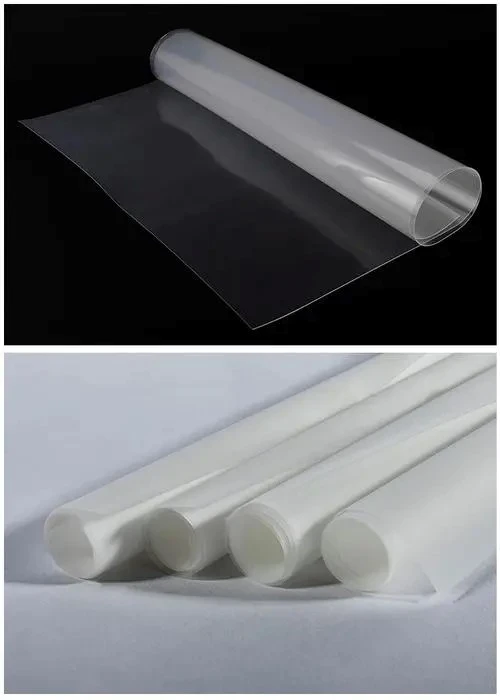
As a trusted supplier of Medical Grade TPU Film, I understand the critical importance of sterilization in the medical field. Medical Grade TPU Film is widely used in various medical applications, such as TPU Film for Air Bed, Medical Grade TPU Film, and TPU Film for Sofa. Ensuring the sterility of this film is essential to prevent infections and maintain the safety of patients and medical staff. In this blog post, I will explore several suitable sterilization methods for Medical Grade TPU Film.
1. Ethylene Oxide Sterilization
Ethylene oxide (EO) sterilization is one of the most commonly used methods for medical devices and materials, including Medical Grade TPU Film. This method is effective against a wide range of microorganisms, including bacteria, viruses, and fungi.
Principle: Ethylene oxide is a highly reactive gas that can penetrate the packaging materials and react with the cellular components of microorganisms, such as proteins and nucleic acids, to inhibit their growth and reproduction.
Advantages:
- High effectiveness: EO can achieve a high level of sterilization, ensuring the complete elimination of microorganisms on the TPU film.
- Low temperature: This method can be carried out at relatively low temperatures (usually around 30 - 60°C), which is suitable for heat - sensitive materials like TPU film, minimizing the risk of damage to the film's physical and chemical properties.
- Good penetration: EO gas can penetrate various packaging materials, allowing the film to be sterilized while still in its package, which helps maintain the sterility of the product during storage and transportation.
Disadvantages:

- Toxicity: Ethylene oxide is a toxic and flammable gas. Special safety measures are required during the sterilization process to protect the operators and the environment.
- Long cycle time: The sterilization process usually takes several hours, followed by a long aeration period (up to several days) to remove the residual EO from the product, which can slow down the production and distribution process.
2. Gamma Irradiation Sterilization
Gamma irradiation is another popular sterilization method for Medical Grade TPU Film. It uses high - energy gamma rays, typically emitted from a radioactive source such as cobalt - 60.
Principle: Gamma rays have high energy and can directly damage the DNA and RNA of microorganisms, causing them to lose their ability to replicate and survive.
Advantages:
- High - energy and high - efficiency: Gamma irradiation can quickly and effectively sterilize the TPU film. It has a short processing time, which can improve the production efficiency.
- No residue: Unlike EO sterilization, gamma irradiation does not leave any chemical residues on the product, which is beneficial for medical applications where chemical residues may cause adverse reactions.
- Penetration ability: Gamma rays can penetrate thick packaging materials and dense products, ensuring uniform sterilization throughout the TPU film.
Disadvantages:
- Equipment cost: The equipment for gamma irradiation is expensive to install and maintain, which requires a significant investment.
- Possible degradation: High - energy gamma rays may cause some degradation of the TPU film, such as changes in its mechanical properties, color, and transparency, especially at high doses. Therefore, the irradiation dose needs to be carefully controlled to minimize these effects.
3. Electron Beam Irradiation Sterilization
Electron beam (e - beam) irradiation is a relatively new sterilization technology that uses high - energy electrons to sterilize medical products, including Medical Grade TPU Film.
Principle: Similar to gamma irradiation, e - beam irradiation damages the DNA and RNA of microorganisms by delivering high - energy electrons, leading to the inactivation of the microorganisms.
Advantages:
- Fast processing: Electron beam irradiation has a very short processing time, which can significantly increase the production speed.
- Low cost: Compared with gamma irradiation, the equipment for e - beam irradiation is generally less expensive to install and operate.
- Precise control: The dose of e - beam irradiation can be precisely controlled, allowing for more customized sterilization processes according to the specific requirements of the TPU film.
Disadvantages:
- Limited penetration: The penetration depth of electron beams is relatively limited compared to gamma rays. This means that it may not be suitable for thick or dense products, and the TPU film may need to be irradiated from multiple angles to ensure complete sterilization.
- Possible material damage: Similar to gamma irradiation, e - beam irradiation may also cause some damage to the TPU film, such as changes in its physical and chemical properties, which requires careful optimization of the irradiation parameters.
4. Steam Sterilization
Steam sterilization, also known as autoclaving, is a traditional and widely used sterilization method in the medical field. However, its application to Medical Grade TPU Film needs to be carefully considered.
Principle: Steam sterilization uses high - pressure saturated steam at a temperature of 121 - 134°C to kill microorganisms. The high temperature and moisture can denature the proteins and enzymes of microorganisms, leading to their death.
Advantages:
- Simple and cost - effective: The equipment for steam sterilization is relatively simple and inexpensive. It is a common method in many medical facilities, which can reduce the cost of sterilization.
- Fast and effective: Steam sterilization can quickly achieve a high level of sterilization, with a short processing time (usually 15 - 30 minutes).
Disadvantages:
- High temperature: TPU film is a thermoplastic material, and high - temperature steam may cause deformation, melting, or degradation of the film, which can affect its performance and quality. Therefore, steam sterilization is generally not suitable for most Medical Grade TPU Film, except for some specially formulated TPU films with high heat resistance.
5. Chemical Sterilization
Chemical sterilization uses chemical agents such as hydrogen peroxide or peracetic acid to sterilize the TPU film.
Principle: These chemical agents can oxidize the cellular components of microorganisms, such as proteins and lipids, to destroy their structure and function.
Advantages:
- Low - temperature operation: Chemical sterilization can be carried out at relatively low temperatures, which is suitable for heat - sensitive TPU films.
- Flexibility: Different chemical agents can be selected according to the specific requirements of the TPU film and the sterilization environment.
Disadvantages:
- Residue problem: Chemical agents may leave residues on the TPU film, which need to be thoroughly removed to avoid potential harm to patients.
- Corrosion risk: Some chemical agents may be corrosive to the TPU film or the packaging materials, which requires careful selection of the chemical agent and the packaging.
When choosing a sterilization method for Medical Grade TPU Film, several factors need to be considered, including the properties of the TPU film (such as heat resistance, chemical stability), the required level of sterilization, the production volume and cost, and the regulatory requirements. As a supplier of Medical Grade TPU Film, we are committed to providing high - quality products that meet the strictest medical standards. We can work closely with our customers to select the most suitable sterilization method for their specific applications.
If you are interested in our Medical Grade TPU Film products or have any questions about sterilization methods, please feel free to contact us for further discussion and procurement negotiation. We look forward to serving you and meeting your medical film needs.
References
- Block, S. S. (2001). Disinfection, Sterilization, and Preservation. Lippincott Williams & Wilkins.
- McDonnell, G., & Russell, A. D. (1999). Antiseptics and disinfectants: activity, action, and resistance. Clinical Microbiology Reviews, 12(1), 147 - 179.
- Furr, J. R., & Russell, A. D. (1971). The mechanism of action of ethylene oxide. Journal of Applied Bacteriology, 34(1), 17 - 24.