

As a supplier of TPU hot melt adhesive, I often get asked about one crucial property: the melting point. Understanding the melting point of TPU hot melt adhesive is essential for various applications, from textile bonding to industrial manufacturing. In this blog post, I'll delve into what the melting point of TPU hot melt adhesive is, why it matters, and how it impacts different industries.
What is TPU Hot Melt Adhesive?
Before we discuss the melting point, let's briefly introduce TPU hot melt adhesive. TPU, or thermoplastic polyurethane, is a type of polymer that offers a unique combination of properties such as flexibility, abrasion resistance, and chemical resistance. TPU hot melt adhesive is a form of adhesive that is solid at room temperature and becomes liquid when heated. Once it cools down, it solidifies and forms a strong bond between the substrates.
There are different types of TPU Hot Melt available in the market, each with its own set of characteristics and melting points. These adhesives are widely used in industries like textiles, footwear, automotive, and electronics due to their excellent bonding strength and versatility.
Understanding the Melting Point
The melting point of a substance is the temperature at which it changes from a solid state to a liquid state. For TPU hot melt adhesive, the melting point is a critical parameter because it determines the temperature at which the adhesive can be applied and bonded to the substrates.
The melting point of TPU hot melt adhesive can vary depending on several factors, including the chemical composition, molecular weight, and the presence of additives. Generally, the melting point of TPU hot melt adhesive ranges from approximately 80°C to 220°C (176°F to 428°F). However, it's important to note that this is a broad range, and specific products may have melting points outside of this range.
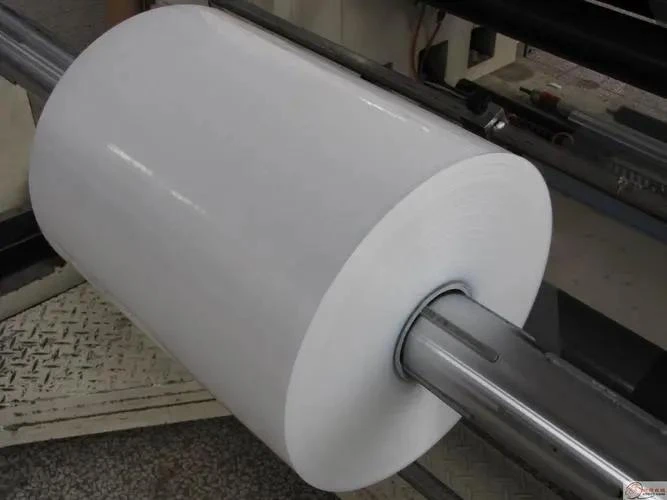

Low Melting Point TPU Hot Melt Adhesive
Low melting point TPU hot melt adhesives typically have a melting point in the range of 80°C to 120°C (176°F to 248°F). These adhesives are often used in applications where the substrates are sensitive to high temperatures, such as in the textile industry. TPU Hot Melt Adhesive Film for Textile is a prime example of a product that benefits from a low melting point. Textiles can be easily damaged by high temperatures, so using a low melting point adhesive ensures that the fabric remains intact during the bonding process.
Low melting point TPU hot melt adhesives also offer faster bonding times because they can be melted and applied at lower temperatures. This reduces energy consumption and increases production efficiency, making them an attractive option for manufacturers looking to optimize their processes.
High Melting Point TPU Hot Melt Adhesive
On the other hand, high melting point TPU hot melt adhesives have a melting point above 150°C (302°F) and can go up to 220°C (428°F). These adhesives are used in applications where the bonded parts need to withstand high temperatures or mechanical stress. In the automotive industry, for example, TPU hot melt adhesives are used to bond components that are exposed to high temperatures under the hood. The high melting point ensures that the adhesive remains stable and maintains its bonding strength even in harsh environments.
High melting point TPU hot melt adhesives also have better resistance to creep and deformation, making them suitable for applications where long - term durability is required. However, they require higher energy input to melt and may take longer to cool and solidify, which can affect the production speed.
Why the Melting Point Matters
The melting point of TPU hot melt adhesive has a significant impact on its performance and usability. Here are some key reasons why it matters:
- Bonding Strength: The melting point affects how well the adhesive can wet and penetrate the substrates. If the temperature is too low, the adhesive may not melt completely, resulting in a weak bond. Conversely, if the temperature is too high, the adhesive may degrade, also reducing the bonding strength.
- Substrate Compatibility: Different substrates have different temperature tolerances. Choosing a TPU hot melt adhesive with the right melting point ensures that the substrate is not damaged during the bonding process. For example, heat - sensitive materials like plastics and textiles require a low melting point adhesive.
- Processing Efficiency: The melting point determines the energy required to melt the adhesive and the time it takes to bond the substrates. A lower melting point adhesive can reduce energy consumption and increase production speed, while a higher melting point adhesive may be necessary for applications that require high - temperature resistance.
Applications of TPU Hot Melt Adhesive Based on Melting Point
- Textile Industry: As mentioned earlier, TPU Hot Melt Adhesive Film with a low melting point is widely used in the textile industry for bonding fabrics, attaching labels, and creating seamless seams. The low temperature application process ensures that the fabric's properties are not affected, and the resulting bond is flexible and durable.
- Footwear Industry: In the footwear industry, both low and high melting point TPU hot melt adhesives are used. Low melting point adhesives are used for bonding delicate materials like linings and insoles, while high melting point adhesives are used for bonding outsoles and other parts that need to withstand high stress and temperature.
- Automotive Industry: The automotive industry relies on high melting point TPU hot melt adhesives for various applications, such as bonding interior trim, attaching gaskets, and assembling electronic components. These adhesives need to withstand the high temperatures and vibrations experienced in a vehicle.
- Electronics Industry: TPU hot melt adhesives are used in the electronics industry for bonding components and protecting them from moisture and dust. The melting point is carefully chosen to ensure that the adhesive does not damage the sensitive electronic components during the bonding process.
Selecting the Right TPU Hot Melt Adhesive
When selecting a TPU hot melt adhesive, it's crucial to consider the melting point based on your specific application requirements. Here are some steps to help you make the right choice:
- Understand the Substrate: Determine the temperature tolerance of the substrates you will be bonding. This will help you narrow down the range of suitable melting points.
- Evaluate the Application Conditions: Consider the environmental conditions the bonded parts will be exposed to, such as temperature, humidity, and mechanical stress. If the parts will be exposed to high temperatures, a high melting point adhesive may be necessary.
- Test the Adhesive: Before committing to a large - scale production, conduct tests on a small scale to ensure that the adhesive provides the desired bonding strength and performance at the selected melting point.
Conclusion
The melting point of TPU hot melt adhesive is a critical factor that influences its performance and suitability for different applications. As a supplier of TPU hot melt adhesive, we understand the importance of providing products with the right melting point to meet our customers' needs. Whether you're in the textile, footwear, automotive, or electronics industry, we can help you find the perfect TPU hot melt adhesive for your application.
If you're interested in learning more about our TPU hot melt adhesive products or have specific requirements for your project, we encourage you to reach out to us for further discussion and potential procurement. Our team of experts is ready to assist you in finding the best solution for your bonding needs.
References
- "Thermoplastic Polyurethanes: Properties, Processing, and Applications" by Michael Szycher
- "Adhesives Technology Handbook" by Andrew Pizzi and K. L. Mittal