

As a seasoned supplier of TPU breathable film, I've witnessed firsthand the remarkable versatility and performance of this innovative material. TPU, or thermoplastic polyurethane, is a type of polymer that combines the elasticity of rubber with the strength and processability of plastic. When used to create breathable films, TPU offers a unique set of properties that make it ideal for a wide range of applications, from outdoor apparel to medical devices.
One of the most frequently asked questions I receive from customers is about the maximum stretch ratio of TPU breathable film. This is a crucial parameter, as it determines the film's ability to withstand deformation without tearing or losing its integrity. In this blog post, I'll delve into the factors that influence the stretch ratio of TPU breathable film and provide some insights into what you can expect from our products.
Understanding Stretch Ratio
The stretch ratio of a material is defined as the maximum amount it can be stretched relative to its original length before it breaks. For TPU breathable film, this ratio is typically expressed as a percentage. For example, a stretch ratio of 500% means that the film can be stretched to five times its original length before it reaches its breaking point.
The stretch ratio is an important consideration for many applications. In the case of clothing, for instance, a high stretch ratio allows the fabric to move with the body, providing a comfortable and unrestricted fit. In industrial applications, a high stretch ratio can be beneficial for products that need to conform to irregular shapes or withstand repeated stretching and bending.
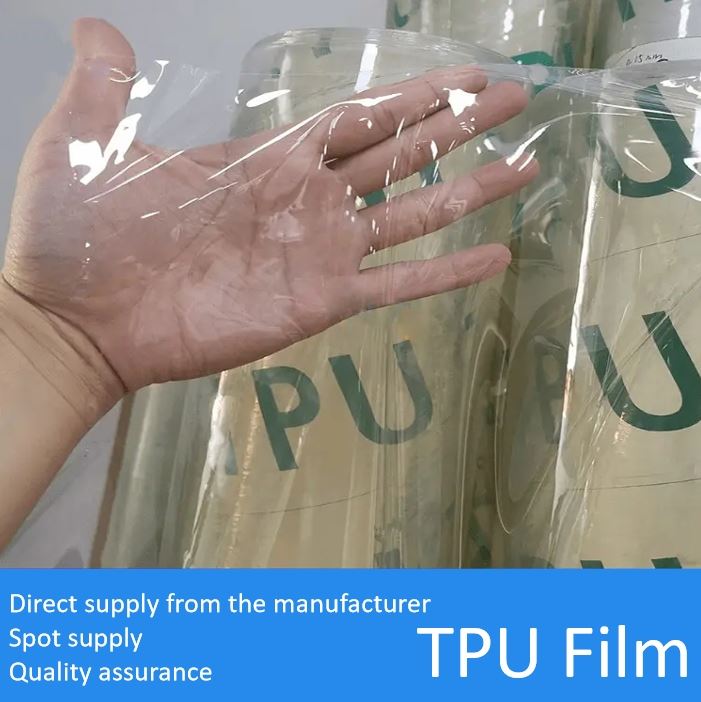

Factors Affecting the Stretch Ratio of TPU Breathable Film
Several factors can influence the stretch ratio of TPU breathable film. These include the chemical composition of the TPU, the manufacturing process, and the presence of any additives or reinforcements.
- Chemical Composition: The type of TPU used in the film plays a significant role in determining its stretch ratio. Different grades of TPU have different molecular structures, which can affect their elasticity and strength. For example, a TPU with a higher degree of cross-linking will generally have a lower stretch ratio but higher strength and durability.
- Manufacturing Process: The way the TPU breathable film is manufactured can also impact its stretch ratio. Processes such as extrusion and casting can affect the orientation of the polymer chains in the film, which in turn can influence its mechanical properties. For example, a film that is extruded under high pressure may have a more uniform molecular structure and a higher stretch ratio than a film that is cast.
- Additives and Reinforcements: The addition of additives or reinforcements to the TPU can also affect its stretch ratio. For example, the addition of fillers or fibers can increase the strength and stiffness of the film, but it may also reduce its stretch ratio. On the other hand, the addition of plasticizers can increase the flexibility and stretchability of the film.
Typical Stretch Ratios of TPU Breathable Film
The stretch ratio of TPU breathable film can vary widely depending on the specific product and its intended application. In general, however, most TPU breathable films have a stretch ratio ranging from 300% to 800%.
For applications that require high stretchability, such as sportswear and activewear, films with a stretch ratio of 500% to 800% are often preferred. These films can provide a comfortable and form-fitting fit, allowing the wearer to move freely without restriction.
For applications that require more strength and durability, such as outdoor gear and industrial products, films with a lower stretch ratio of 300% to 500% may be more suitable. These films can withstand higher levels of stress and strain without tearing or losing their integrity.
Our TPU Breathable Film Products
As a leading supplier of TPU breathable film, we offer a wide range of products with different stretch ratios to meet the diverse needs of our customers. Our products are made from high-quality TPU materials and are manufactured using advanced processes to ensure consistent quality and performance.
- Low Breathable Waterproof TPU Film: This product is designed for applications that require a balance of breathability and waterproofness. It has a stretch ratio of 400% to 600%, making it suitable for a variety of uses, including outdoor clothing and footwear.
- Waterproof TPU Film for Garments: Our waterproof TPU film for garments is specifically designed for the apparel industry. It has a high stretch ratio of 500% to 800%, providing a comfortable and form-fitting fit for a wide range of clothing styles.
- Breathable TPU Film for Clothing: This product is ideal for clothing applications that require high breathability and stretchability. It has a stretch ratio of 600% to 800%, allowing the fabric to move with the body and provide a comfortable wearing experience.
Conclusion
The maximum stretch ratio of TPU breathable film is an important parameter that can significantly impact its performance and suitability for different applications. By understanding the factors that influence the stretch ratio and choosing the right product for your needs, you can ensure that you get the best possible results from your TPU breathable film.
If you're interested in learning more about our TPU breathable film products or have any questions about stretch ratio or other properties, please don't hesitate to contact us. Our team of experts is always available to provide you with the information and support you need to make an informed decision. We look forward to working with you to find the perfect TPU breathable film solution for your business.
References
- ASTM D412 - Standard Test Methods for Vulcanized Rubber and Thermoplastic Elastomers - Tension
- ISO 13934 - Textiles - Tensile properties of fabrics - Part 1: Determination of maximum force and elongation at maximum force using the strip method