

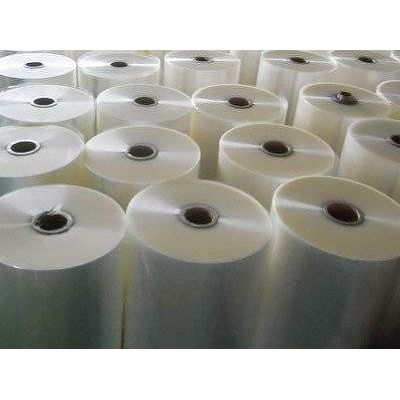
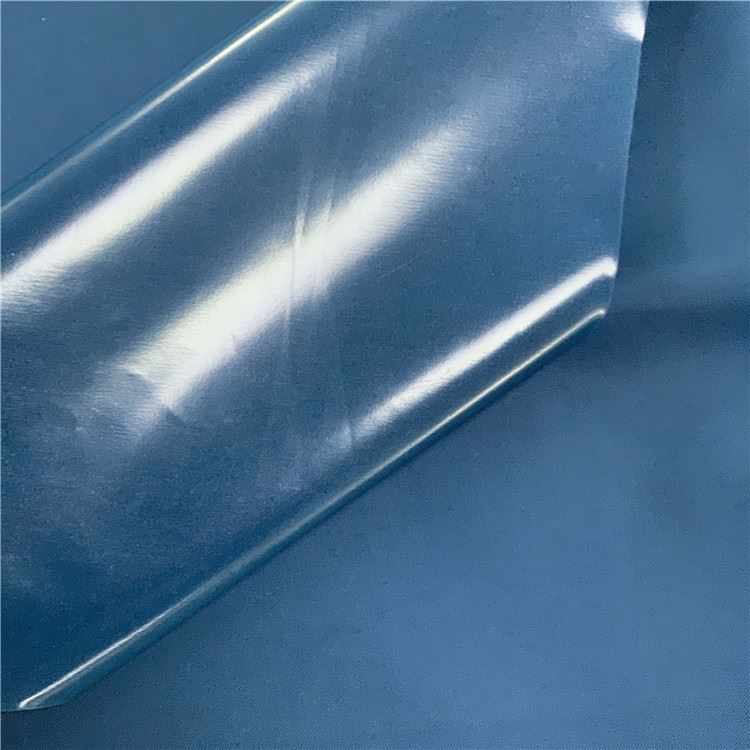
TPU adhesive film, a remarkable material in the adhesive industry, has gained widespread popularity due to its unique properties and diverse applications. As a TPU adhesive film supplier, I am excited to share with you the functions and benefits of this versatile product.
Bonding Function
One of the primary functions of TPU adhesive film is to provide a strong and reliable bond between different materials. Whether it's bonding fabrics, plastics, metals, or other substrates, TPU adhesive film can create a seamless connection. This is achieved through the film's ability to melt under heat and pressure, flowing into the pores and irregularities of the materials being bonded. Once cooled, it solidifies, creating a durable bond that can withstand various stresses and environmental conditions.
For example, in the shoe manufacturing industry, TPU adhesive film, such as the Hot Melt Adhesive Film for Shoe Sole, is used to bond the sole to the upper part of the shoe. The film ensures a secure attachment, preventing the sole from separating during normal use. This not only enhances the durability of the shoe but also improves its overall quality.
Waterproof and Moisture - Resistant Function
TPU adhesive film is also known for its excellent waterproof and moisture - resistant properties. When used in applications such as outdoor clothing, tents, and bags, it can effectively prevent water and moisture from penetrating the bonded areas. This is crucial for maintaining the integrity and functionality of these products, especially in wet or humid environments.
In outdoor clothing, the Heat Melt Film can be used to seal seams, creating a waterproof barrier. This not only keeps the wearer dry but also adds to the overall comfort of the clothing. Similarly, in tents, TPU adhesive film is used to bond different parts of the fabric together, ensuring that the tent remains waterproof even in heavy rain.
Flexibility and Elasticity
Another important function of TPU adhesive film is its flexibility and elasticity. TPU is a thermoplastic polyurethane, which means it can be easily molded and stretched. This property makes it ideal for applications that require flexibility, such as in the manufacturing of sports equipment and stretchable clothing.
In sports equipment, such as knee pads and elbow pads, TPU adhesive film is used to bond different layers of materials together. The film's flexibility allows the pads to move with the body, providing comfort and support during physical activity. In stretchable clothing, it can be used to bond elastics and other stretchable materials, ensuring that the clothing retains its shape and elasticity even after repeated use.
Chemical and Abrasion Resistance
TPU adhesive film offers good chemical and abrasion resistance. It can withstand exposure to various chemicals, including oils, solvents, and detergents, without losing its adhesive properties. This makes it suitable for use in industrial applications where products may come into contact with chemicals.
In addition, its abrasion - resistant property makes it ideal for applications where the bonded surfaces are likely to experience friction and wear. For example, in the automotive industry, TPU adhesive film can be used to bond interior trim parts. The film's ability to resist abrasion ensures that the trim parts maintain their appearance and integrity over time, even with frequent use.
Environmental Friendliness
In today's market, environmental friendliness is becoming increasingly important. TPU adhesive film is considered an environmentally friendly option compared to some traditional adhesives. It does not contain harmful solvents or volatile organic compounds (VOCs) that can be released into the environment during use.
This makes it a preferred choice for applications where environmental regulations are strict, such as in the production of food - contact packaging and children's products. By using TPU adhesive film, manufacturers can meet environmental standards while still achieving high - quality bonding results.
Applications in Different Industries
Textile and Apparel Industry
In the textile and apparel industry, TPU adhesive film is widely used for bonding fabrics, creating seamless seams, and attaching decorative elements. It can be used to make waterproof and breathable garments, as well as stretchable and comfortable clothing. The Polyurethane Hot Melt Adhesive Film is particularly popular in this industry due to its excellent bonding and flexibility properties.
Automobile Industry
The automobile industry also benefits greatly from the use of TPU adhesive film. It is used for bonding interior trim components, such as dashboard covers, door panels, and seat covers. The film's high - temperature resistance, chemical resistance, and durability make it suitable for the harsh environment inside a vehicle.
Electronics Industry
In the electronics industry, TPU adhesive film is used for bonding components and protecting sensitive electronic parts. It can create a secure bond between different materials, such as glass and plastic, and also provide insulation and moisture resistance. For example, it can be used to bond touch - screen displays to the device frames.
Why Choose Our TPU Adhesive Film
As a professional TPU adhesive film supplier, we are committed to providing high - quality products to our customers. Our TPU adhesive films are produced using advanced manufacturing processes and strict quality control measures. We offer a wide range of products with different thicknesses, widths, and melting points to meet the diverse needs of various industries.
Our technical team has rich experience in adhesive technology and can provide professional technical support and customized solutions for our customers. Whether you are a small - scale manufacturer or a large - scale enterprise, we can offer you the most suitable TPU adhesive film products.
If you are interested in our TPU adhesive film products or have any questions about their applications, please feel free to contact us for a detailed discussion. We are looking forward to establishing a long - term and mutually beneficial partnership with you.
References
[1] "Handbook of Adhesives and Sealants", Second Edition, edited by Andrew Pizzi and K. L. Mittal.
[2] "Thermoplastic Elastomers: A Comprehensive Review", by John M. Burland.