

As a supplier of TPU adhesive film, I am often asked about the electrical insulation performance of our product. In this blog post, I will delve into the key aspects of the electrical insulation properties of TPU adhesive film, explaining what makes it a reliable choice in various applications.
Understanding TPU Adhesive Film
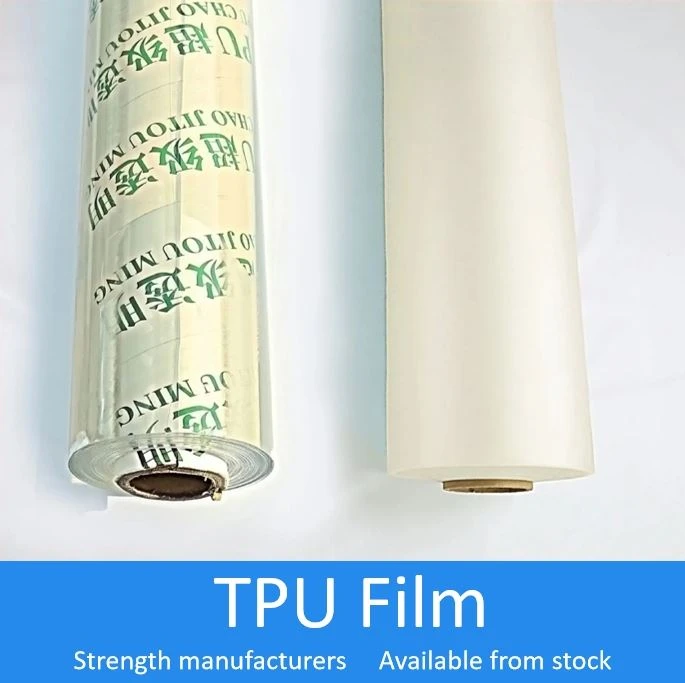
TPU, or thermoplastic polyurethane, is a versatile polymer known for its excellent mechanical properties, flexibility, and chemical resistance. When processed into an adhesive film, it combines these beneficial characteristics with strong bonding capabilities. TPU adhesive film can be used in a wide range of industries, including electronics, automotive, and textiles, due to its ability to adhere to different materials and provide a durable seal.
Electrical Insulation Basics
Electrical insulation is the process of preventing the flow of electric current through a material. Insulating materials have high electrical resistance, which means they impede the movement of electrons. This property is crucial in electrical and electronic applications to prevent short - circuits, protect components from electrical interference, and ensure the safety of users.
Electrical Insulation Performance of TPU Adhesive Film
High Dielectric Strength
One of the most important indicators of electrical insulation performance is dielectric strength. Dielectric strength is the maximum electric field that an insulating material can withstand without breaking down and allowing current to flow. TPU adhesive film typically exhibits high dielectric strength values. This means that it can effectively resist the passage of electric current even under high - voltage conditions. For example, in electronic devices where components are closely packed and high - voltage circuits are present, TPU adhesive film can be used to insulate and separate different parts, preventing electrical breakdown and ensuring the proper functioning of the device.
Low Electrical Conductivity
TPU adhesive film has a low electrical conductivity. Electrical conductivity is the measure of how easily a material allows an electric current to pass through it. A low - conductivity material like TPU adhesive film acts as a barrier to the flow of electrons. This property is essential in applications where electrical isolation is required. For instance, in the automotive industry, TPU adhesive film can be used to insulate wiring harnesses, protecting them from external electrical interference and reducing the risk of electrical malfunctions.
Good Insulation Resistance
Insulation resistance is another key parameter for evaluating electrical insulation performance. It measures the opposition to the flow of direct current through an insulating material. TPU adhesive film offers good insulation resistance, which helps to maintain the integrity of electrical circuits. In printed circuit boards (PCBs), TPU adhesive film can be used as a protective layer to insulate the conductive traces from each other and from the surrounding environment, thereby improving the overall reliability of the PCB.
Factors Affecting Electrical Insulation Performance
Temperature
Temperature can significantly affect the electrical insulation performance of TPU adhesive film. As the temperature increases, the electrical conductivity of the film may also increase slightly, and the dielectric strength may decrease. However, TPU has a relatively wide operating temperature range, and with proper formulation and processing, it can maintain good insulation performance within a reasonable temperature span. For example, in high - temperature environments such as in some industrial electrical equipment, specially formulated TPU adhesive films can be used to ensure stable insulation performance.
Humidity
Humidity can also impact the electrical insulation properties of TPU adhesive film. Moisture can penetrate the film and reduce its insulation resistance. To mitigate this effect, TPU adhesive films can be treated with hydrophobic coatings or additives to improve their moisture resistance. In applications where the film is exposed to high - humidity environments, such as in outdoor electrical installations, moisture - resistant TPU adhesive films are essential.
Applications Leveraging Electrical Insulation of TPU Adhesive Film
Electronics Industry
In the electronics industry, TPU adhesive film is widely used for its electrical insulation properties. It can be used to insulate flexible printed circuits (FPCs), protecting the conductive traces from short - circuits and environmental factors. Additionally, it can be used in the assembly of electronic components, such as in the bonding and insulation of battery packs. The high dielectric strength and low electrical conductivity of TPU adhesive film ensure the safety and reliability of electronic devices.

Automotive Industry
The automotive industry also benefits from the electrical insulation performance of TPU adhesive film. As mentioned earlier, it can be used to insulate wiring harnesses, reducing the risk of electrical failures caused by short - circuits or interference. Moreover, in electric vehicles (EVs), TPU adhesive film can be used to insulate battery modules and power electronics components, which are critical for the safe and efficient operation of the vehicle.
Textile Industry
In the textile industry, TPU adhesive film can be used to create smart textiles with electrical insulation properties. For example, it can be laminated onto fabrics to create protective clothing for electrical workers. The film not only provides electrical insulation but also maintains the flexibility and comfort of the fabric.
Related Products
If you are interested in our TPU adhesive film products, we also offer some related products. For example, the Pe Film Carrier is a useful option for certain applications. It can be used in combination with TPU adhesive film to provide additional support and protection. Another product is the Heat Melt Film, which has unique properties and can be used in different bonding scenarios. And the Hot - melt Adhesive Leather Film for Laminating with Fabrics is suitable for applications where leather and fabric need to be laminated together while maintaining good electrical insulation.
Conclusion
The electrical insulation performance of TPU adhesive film makes it a valuable material in many industries. Its high dielectric strength, low electrical conductivity, and good insulation resistance ensure the safety and reliability of electrical and electronic systems. Although factors such as temperature and humidity can affect its performance, proper formulation and treatment can mitigate these effects. If you are looking for a reliable TPU adhesive film supplier for your electrical insulation needs, please feel free to contact us for procurement and further discussions.
References
- "Handbook of Thermoplastic Elastomers"
- "Electrical Insulation Materials: Properties and Applications"
- Industry reports on TPU adhesive film applications in electronics, automotive, and textile industries.