

Polyolefin (PO) hot melt adhesive is a versatile and widely used bonding solution in various industries. As a leading supplier of PO hot melt adhesive, I am often asked about its composition. Understanding the components of PO hot melt adhesive is crucial for both manufacturers and end - users, as it directly impacts the adhesive's performance, properties, and suitability for different applications.
Base Polymers
The core of PO hot melt adhesive is its base polymers. Polyolefins, which include polyethylene (PE) and polypropylene (PP), are the primary base polymers used. These polymers are chosen for their excellent chemical resistance, low moisture absorption, and good thermal stability.
- Polyethylene: Polyethylene can be further classified into different types, such as low - density polyethylene (LDPE), linear low - density polyethylene (LLDPE), and high - density polyethylene (HDPE). LDPE has a more branched structure, which gives it good flexibility and adhesion. It is often used in applications where a certain degree of softness is required, like in the bonding of flexible packaging materials. LLDPE, on the other hand, has a more linear structure with short branches. It offers better tensile strength and puncture resistance compared to LDPE, making it suitable for more demanding applications. HDPE has a high degree of crystallinity, which results in high stiffness, hardness, and chemical resistance. It is commonly used in applications where strong bonding and durability are essential, such as in the assembly of rigid plastic parts.
- Polypropylene: Polypropylene is known for its high melting point, excellent stiffness, and good resistance to heat and chemicals. It is often used in applications where high - temperature resistance is required. For example, in the automotive industry, PO hot melt adhesives with polypropylene as a base polymer can be used to bond parts that are exposed to high - temperature environments under the hood.
Tackifiers
Tackifiers are another important component of PO hot melt adhesive. These are resins that are added to increase the adhesive's tack, which is the ability to form an immediate bond when in contact with a substrate under light pressure.
- Hydrocarbon Resins: Hydrocarbon resins are widely used tackifiers in PO hot melt adhesives. They are derived from petroleum or coal - tar sources. These resins can be classified into different types, such as aliphatic, aromatic, and cycloaliphatic resins. Aliphatic hydrocarbon resins are known for their good compatibility with polyolefins, excellent color stability, and low odor. They are often used in food - packaging applications where odor and color are crucial factors. Aromatic hydrocarbon resins offer higher tack and better adhesion to polar substrates. They are commonly used in applications where bonding to materials like paper, cardboard, or certain plastics is required. Cycloaliphatic hydrocarbon resins combine the advantages of both aliphatic and aromatic resins, providing good compatibility, high tack, and excellent weather resistance.
- Rosin - Based Resins: Rosin - based resins are natural resins derived from pine trees. They are known for their high tack and good adhesion to a wide range of substrates. However, they may have some limitations in terms of color stability and oxidation resistance. To overcome these limitations, modified rosin resins, such as hydrogenated rosin esters, are often used. These modified resins offer improved color stability and better resistance to oxidation, making them suitable for applications where long - term performance is required.
Plasticizers
Plasticizers are added to PO hot melt adhesives to improve their flexibility, reduce their hardness, and lower their glass transition temperature (Tg).
- Paraffinic Oils: Paraffinic oils are commonly used plasticizers in PO hot melt adhesives. They are highly refined and have good compatibility with polyolefins. Paraffinic oils can improve the flow properties of the adhesive, making it easier to apply. They also help to reduce the viscosity of the adhesive, which is beneficial for processes such as extrusion or coating. Additionally, they can enhance the low - temperature flexibility of the adhesive, allowing it to maintain its bonding performance in cold environments.
- Phthalate Esters: Phthalate esters were once widely used as plasticizers in various adhesives. However, due to concerns about their potential health and environmental impacts, their use has been restricted in many applications. Alternative plasticizers, such as adipate esters and citrate esters, are now being increasingly used. These alternative plasticizers offer similar properties to phthalate esters in terms of improving flexibility and reducing hardness, while being more environmentally friendly.
Antioxidants
Antioxidants are added to PO hot melt adhesives to prevent oxidation and degradation of the adhesive over time. Oxidation can lead to a decrease in the adhesive's performance, such as a loss of tack, reduced adhesion strength, and changes in color.
- Phenolic Antioxidants: Phenolic antioxidants are commonly used in PO hot melt adhesives. They work by reacting with free radicals that are generated during the oxidation process, thereby preventing the chain - reaction of oxidation. These antioxidants are effective in protecting the adhesive from thermal oxidation, which can occur during the manufacturing process (such as melting and processing) and during its use in high - temperature environments.
- Phosphite Antioxidants: Phosphite antioxidants are often used in combination with phenolic antioxidants. They act as secondary antioxidants, providing additional protection against oxidation. Phosphite antioxidants can decompose hydroperoxides, which are intermediate products in the oxidation process, thereby further preventing the degradation of the adhesive.
Other Additives
In addition to the above - mentioned components, PO hot melt adhesives may also contain other additives depending on the specific application requirements.

- Fillers: Fillers, such as calcium carbonate or talc, can be added to increase the adhesive's stiffness, reduce its cost, and improve its dimensional stability. Fillers can also enhance the adhesive's resistance to abrasion and impact.
- UV Stabilizers: For applications where the adhesive is exposed to sunlight or ultraviolet (UV) radiation, UV stabilizers are added to prevent the adhesive from yellowing, cracking, or losing its adhesion strength due to UV - induced degradation.
Applications and the Role of Composition
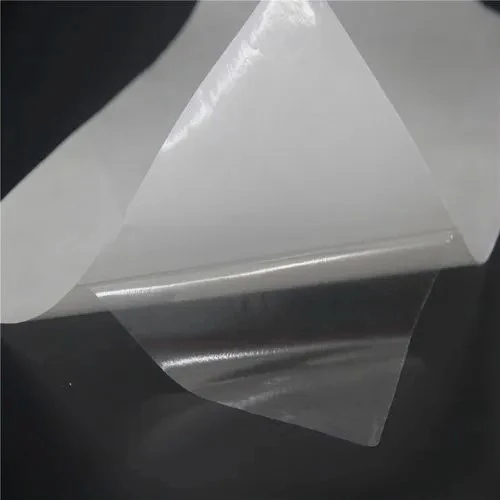
The composition of PO hot melt adhesive determines its suitability for different applications. For example, in the textile industry, Po Hot Melt Adhesive for Textile often requires a balance of flexibility and adhesion. Adhesives with a higher proportion of LDPE as the base polymer and appropriate tackifiers can provide the necessary softness and bonding strength for textile bonding. In the production of high - quality adhesive films, Quality Po Hot Melt Adhesive Film needs to have excellent clarity, adhesion, and mechanical properties. The choice of base polymers, tackifiers, and other additives is carefully optimized to meet these requirements. And in general bonding applications, Po Adhesive with a well - balanced composition can offer reliable and long - lasting bonding solutions.
Conclusion
The composition of PO hot melt adhesive is a complex combination of base polymers, tackifiers, plasticizers, antioxidants, and other additives. Each component plays a crucial role in determining the adhesive's properties and performance. As a PO hot melt adhesive supplier, we understand the importance of formulating adhesives with the right composition to meet the diverse needs of our customers. Whether you are in the textile, packaging, automotive, or any other industry, we can provide you with high - quality PO hot melt adhesives tailored to your specific requirements. If you are interested in purchasing our PO hot melt adhesives or have any questions about their composition and application, please feel free to contact us for further discussion and negotiation.
References
- "Handbook of Adhesives", edited by I. Skeist.
- "Polymer Science and Technology", by R. J. Young and P. A. Lovell.
- Technical literature from major chemical companies producing PO hot melt adhesive components.