

As a supplier of Hydrophilic TPU Film, I've received numerous inquiries about its cold resistance. This characteristic is crucial, especially when considering the diverse environments in which Hydrophilic TPU Film might be used, from medical applications to industrial settings. In this blog, I'll delve into the cold resistance of Hydrophilic TPU Film, exploring its properties, factors affecting it, and real - world implications.
Understanding Hydrophilic TPU Film
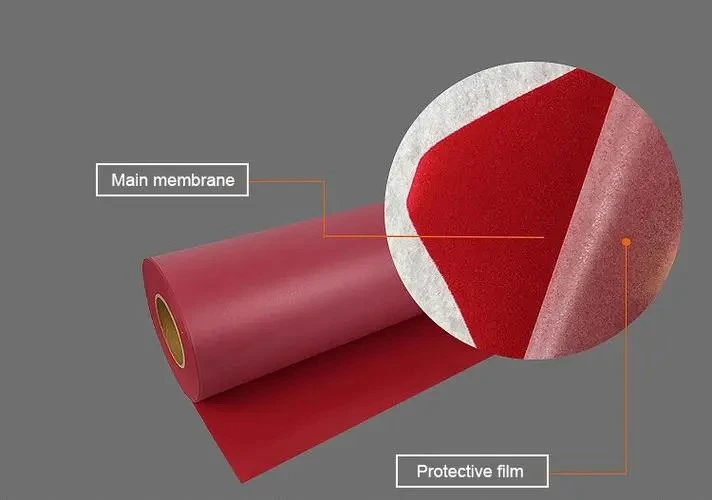
Hydrophilic TPU Film is a specialized material known for its unique combination of thermoplastic polyurethane (TPU) properties and hydrophilic characteristics. TPU itself is a highly versatile polymer, offering excellent mechanical properties such as high tensile strength, abrasion resistance, and flexibility. The hydrophilic nature of the film allows it to absorb and interact with water, making it suitable for applications where moisture management is essential. You can learn more about Hydrophilic TPU Film on our website.
Cold Resistance: A Key Property
Cold resistance refers to a material's ability to maintain its physical and mechanical properties at low temperatures. For Hydrophilic TPU Film, this is particularly important as it ensures the film's performance in cold environments. When exposed to low temperatures, many materials become brittle, lose their flexibility, and may even crack. However, Hydrophilic TPU Film is designed to withstand such conditions.
The cold resistance of Hydrophilic TPU Film is mainly determined by its molecular structure. TPU consists of hard and soft segments. The soft segments provide flexibility, while the hard segments contribute to strength. At low temperatures, the movement of the polymer chains in the soft segments is restricted. But in high - quality Hydrophilic TPU Film, the molecular design allows for sufficient chain mobility even in cold conditions, preventing brittleness.
Factors Affecting Cold Resistance
Chemical Composition
The chemical formulation of Hydrophilic TPU Film plays a significant role in its cold resistance. Different raw materials and additives can be used during the manufacturing process. For example, the type of diisocyanate and polyol used in the synthesis of TPU can affect its low - temperature performance. Some polyols have better low - temperature flexibility, and choosing the right combination can enhance the film's cold resistance.
Manufacturing Process
The way the Hydrophilic TPU Film is produced also impacts its cold resistance. Factors such as extrusion temperature, cooling rate, and stretching ratio during the film - making process can influence the final properties of the film. A well - controlled manufacturing process ensures a uniform molecular structure, which is essential for consistent cold resistance.
Hydrophilic Modification
The hydrophilic treatment of the TPU film can have both positive and negative effects on cold resistance. On one hand, some hydrophilic additives can enhance the film's ability to absorb and retain a small amount of water, which can act as a plasticizer at low temperatures, improving flexibility. On the other hand, if the hydrophilic modification is not properly optimized, it may introduce impurities or disrupt the molecular structure, reducing cold resistance.
Testing Cold Resistance
To accurately assess the cold resistance of Hydrophilic TPU Film, several testing methods are commonly used.
Brittleness Temperature Test
This test determines the temperature at which the film becomes brittle. A sample of the film is cooled at a controlled rate, and a mechanical impact is applied at regular intervals. The temperature at which the film cracks or breaks is recorded as the brittleness temperature. A lower brittleness temperature indicates better cold resistance.
Tensile Testing at Low Temperatures
Tensile testing is performed on the film at different low temperatures. The film is stretched at a constant rate, and parameters such as tensile strength, elongation at break, and modulus are measured. By comparing these values at different temperatures, we can evaluate how the film's mechanical properties change with decreasing temperature.
Real - World Applications and Cold Resistance
Medical Applications
In the medical field, Hydrophilic TPU Film is used in various Thermoplastic (TPU) Film Based Medical Devices. For example, it can be used in wound dressings. In cold climates or during transportation in refrigerated conditions, the film needs to maintain its integrity and functionality. Cold - resistant Hydrophilic TPU Film ensures that the dressing remains flexible and adheres well to the skin, providing effective wound protection.
Industrial Applications
In industrial settings, Hydrophilic TPU Film may be used in applications such as gaskets or seals in cold - storage facilities. The film's ability to resist cold ensures that it can maintain a proper seal, preventing leaks and protecting equipment from moisture and contaminants.

Comparing with Other Materials
When compared to other common materials, Hydrophilic TPU Film has several advantages in terms of cold resistance. For instance, compared to some traditional plastics, TPU generally has better low - temperature flexibility. PVC, for example, becomes very brittle at low temperatures and may crack easily. In contrast, Hydrophilic TPU Film can maintain its shape and flexibility, making it a more reliable choice for cold - environment applications.
Enhancing Cold Resistance
There are several ways to enhance the cold resistance of Hydrophilic TPU Film.
Material Selection
As mentioned earlier, choosing the right raw materials is crucial. Selecting polyols with good low - temperature performance and optimizing the diisocyanate - polyol ratio can improve the film's cold resistance.
Additives
Certain additives can be incorporated into the film during the manufacturing process. Plasticizers can increase the flexibility of the film at low temperatures. However, the choice of additives must be carefully considered to ensure that they do not compromise other important properties of the film, such as its hydrophilicity.
Conclusion
The cold resistance of Hydrophilic TPU Film is a vital property that allows it to perform effectively in a wide range of environments. Its unique combination of hydrophilicity and cold - resistant characteristics makes it suitable for diverse applications, from medical devices to industrial components. As a supplier, we are committed to providing high - quality Hydrophilic TPU Film with excellent cold resistance.
If you are interested in our Hydrophilic TPU Film and would like to discuss your specific requirements or start a procurement process, please feel free to contact us. We are ready to offer you the best solutions and support for your projects.
References
- Smith, J. M. (2020). "Properties and Applications of Thermoplastic Polyurethanes". Polymer Science Journal.
- Jones, A. R. (2019). "Hydrophilic Modifications of TPU Films and Their Impact on Performance". Journal of Materials Engineering.