

Hey there! As a supplier of TPU adhesive film, I often get asked about the bonding strength of TPU adhesive film. It's a crucial factor that many customers consider when choosing an adhesive solution for their projects. So, let's dive right into it and explore what the bonding strength of TPU adhesive film is all about.
What is TPU Adhesive Film?
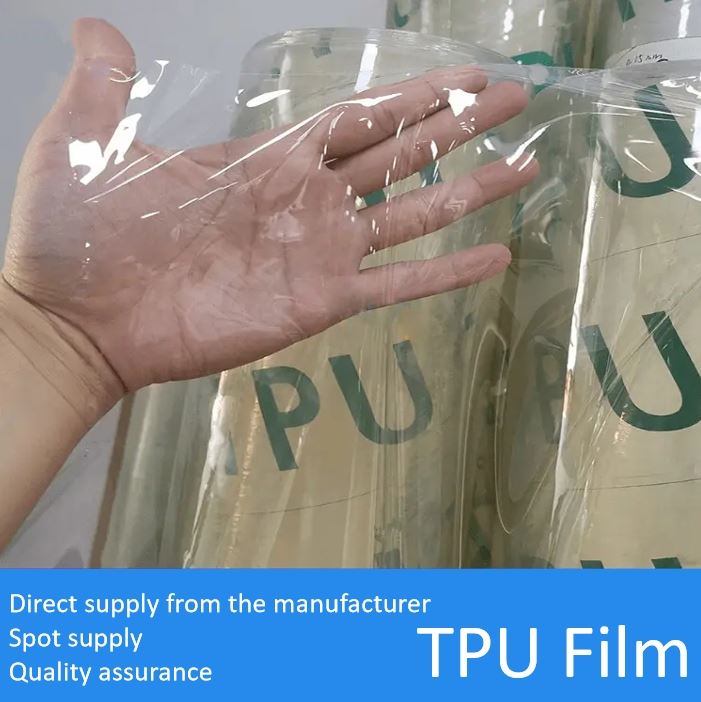
First things first, let's quickly go over what TPU adhesive film is. TPU stands for Thermoplastic Polyurethane. It's a type of polymer that has a unique combination of properties, making it an excellent choice for adhesive applications. TPU adhesive film is a thin sheet of TPU that can be used to bond different materials together. It's commonly used in industries like textiles, footwear, automotive, and electronics.
One of the great things about TPU adhesive film is its versatility. It can bond a wide range of materials, including fabrics, leather, plastics, and metals. This makes it a popular choice for many different types of projects. For example, in the textile industry, it can be used to laminate fabrics together to create waterproof or heat-insulating materials. In the footwear industry, it can be used to bond the upper part of the shoe to the sole, providing a strong and durable bond.
Factors Affecting Bonding Strength
Now, let's talk about the factors that affect the bonding strength of TPU adhesive film. There are several key factors that you need to consider, and understanding these factors can help you get the best results from your TPU adhesive film.
Material Compatibility
The first factor is material compatibility. Not all materials are created equal when it comes to bonding with TPU adhesive film. Some materials have a higher surface energy, which means they are more likely to bond well with the TPU film. For example, fabrics made from natural fibers like cotton or wool tend to bond well with TPU adhesive film because they have a rough surface that provides more area for the adhesive to grip onto. On the other hand, smooth and non-porous materials like some plastics may require special surface treatment to improve the bonding strength.
Temperature and Pressure
Temperature and pressure are also crucial factors. When you apply TPU adhesive film, you need to heat it to a certain temperature to activate the adhesive. The temperature required depends on the specific type of TPU adhesive film you are using. Generally, a higher temperature will result in a stronger bond, but you need to be careful not to overheat the film, as this can damage the material or the film itself.
In addition to temperature, pressure is also important. Applying the right amount of pressure during the bonding process helps to ensure that the adhesive film is in full contact with the materials being bonded. This helps to create a strong and uniform bond. For example, in a heat press machine, you can set the pressure according to the requirements of your project.
Surface Preparation
Surface preparation is another important factor. Before applying the TPU adhesive film, you need to make sure that the surfaces of the materials being bonded are clean and free of any dirt, oil, or debris. This can be done by cleaning the surfaces with a suitable solvent or detergent. If the surfaces are not clean, the adhesive may not be able to bond properly, resulting in a weak bond.
Measuring Bonding Strength
So, how do you measure the bonding strength of TPU adhesive film? There are several methods that can be used, but one of the most common methods is the peel test. In a peel test, a sample of the bonded materials is prepared, and then a force is applied to peel the two materials apart. The force required to peel the materials apart is measured, and this gives an indication of the bonding strength.

Another method is the shear test. In a shear test, a force is applied parallel to the bonded surface, and the force required to cause the materials to slide past each other is measured. This test is useful for measuring the strength of the bond in applications where the materials are subjected to shear forces, such as in automotive or industrial applications.
Applications and Benefits of TPU Adhesive Film
TPU adhesive film has a wide range of applications, thanks to its strong bonding strength and other beneficial properties.
Textile and Apparel Industry
In the textile and apparel industry, TPU adhesive film is used for laminating fabrics. It can create waterproof and breathable fabrics, which are ideal for outdoor clothing, sportswear, and raincoats. The strong bonding strength ensures that the laminated layers stay together, even under harsh conditions. For example, you can check out our Heat Melt Film, which is perfect for textile lamination.
Leather Industry
In the leather industry, TPU adhesive film can be used to bond leather to other materials, such as fabrics or plastics. Our Hot-melt Adhesive Leather Film for Laminating with Fabrics is specifically designed for this purpose. It provides a strong and flexible bond, allowing for a wide range of design possibilities.
Electronics Industry
In the electronics industry, TPU adhesive film is used for bonding components and protecting sensitive electronic parts. Its strong bonding strength and electrical insulation properties make it a great choice for this application.
Why Choose Our TPU Adhesive Film
As a supplier of TPU adhesive film, we take pride in offering high-quality products with excellent bonding strength. Our TPU Hot Melt Film is carefully formulated to provide a strong and durable bond. We use the latest technology and manufacturing processes to ensure that our products meet the highest standards.
We also offer a wide range of TPU adhesive films to suit different applications and requirements. Whether you need a film for high-temperature applications or a film with special properties like flexibility or transparency, we have the right solution for you.
Conclusion
In conclusion, the bonding strength of TPU adhesive film is affected by several factors, including material compatibility, temperature, pressure, and surface preparation. By understanding these factors and choosing the right TPU adhesive film for your application, you can achieve a strong and durable bond.
If you're interested in using TPU adhesive film for your project, we'd love to hear from you. We can provide you with more information about our products and help you choose the right solution for your needs. Contact us to start a procurement discussion and see how our TPU adhesive film can benefit your business.
References
- ASTM D903 - Standard Test Method for Peel or Stripping Strength of Adhesive Bonds
- ISO 4587 - Adhesives - Determination of tensile lap-shear strength of rigid-to-rigid bonded assemblies