

What is the bond durability of TPU hot melt adhesive?
As a supplier of TPU hot melt adhesive, I've witnessed firsthand the growing demand for this remarkable product across various industries. TPU, or thermoplastic polyurethane, hot melt adhesive has gained popularity due to its unique properties and versatility. One of the most critical aspects that customers often inquire about is the bond durability of TPU hot melt adhesive. In this blog post, I'll delve into the factors that influence bond durability, the testing methods used to evaluate it, and the applications where TPU hot melt adhesive excels in terms of long - lasting bonds.
Factors Affecting Bond Durability
1. Material Compatibility
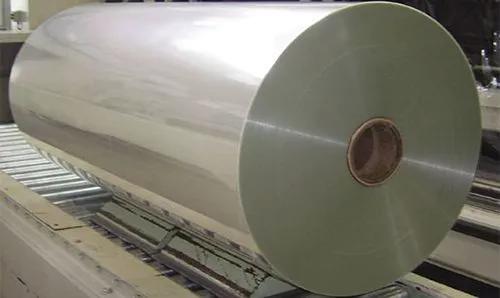
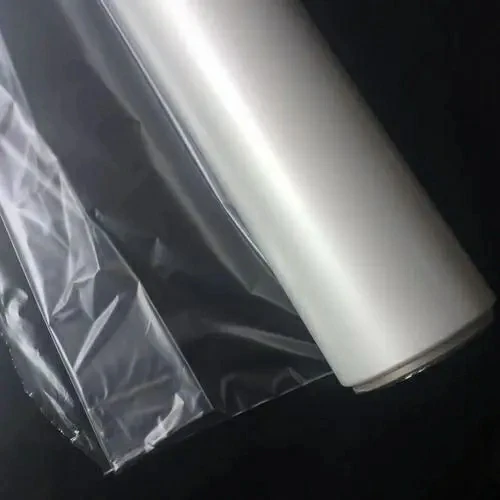
The compatibility between the TPU hot melt adhesive and the substrates being bonded is crucial. TPU hot melt adhesive can bond a wide range of materials, including textiles, plastics, metals, and rubbers. However, the surface energy and chemical composition of the substrates play a significant role. For example, when bonding to a low - surface - energy plastic like polypropylene, surface treatment such as corona treatment or plasma treatment may be required to improve the adhesion and thus the bond durability. Our TPU Hot Melt Adhesive Film is formulated to have good compatibility with a variety of materials, but proper substrate preparation can further enhance the bond.
2. Temperature and Humidity
Temperature and humidity are environmental factors that can greatly affect the bond durability of TPU hot melt adhesive. TPU hot melt adhesive typically has an optimal temperature range for application. If the bonding process occurs at a temperature too high or too low, it can lead to poor adhesion. High humidity during the bonding process can also cause moisture to be trapped in the adhesive layer, which may weaken the bond over time. In addition, long - term exposure to extreme temperatures and high humidity can cause the adhesive to degrade. Our TPU Hot Melt Adhesive Film for Textile is designed to have good resistance to a certain range of temperature and humidity conditions, but for applications in harsh environments, additional protective measures may be necessary.
3. Adhesive Application
The way the TPU hot melt adhesive is applied also impacts bond durability. Factors such as the amount of adhesive applied, the pressure during bonding, and the bonding time are important. Insufficient adhesive may not provide enough bonding strength, while excessive adhesive can lead to messy joints and potential weak points. Applying the right amount of pressure during bonding ensures good contact between the adhesive and the substrates, and an appropriate bonding time allows the adhesive to fully cure and develop its maximum strength. Our TPU Hot Melt products come with detailed application guidelines to help customers achieve the best bonding results.
Testing Methods for Bond Durability
1. Tensile Testing
Tensile testing is a common method to evaluate the bond strength of TPU hot melt adhesive. In this test, a bonded specimen is pulled in opposite directions until the bond fails. The maximum force required to break the bond is measured, and this value can be used to assess the initial bond strength. By conducting multiple tests on specimens that have been exposed to different environmental conditions for a certain period, we can also evaluate the long - term bond durability.
2. Shear Testing
Shear testing measures the ability of the bond to resist forces that act parallel to the bonding surface. A shear force is applied to the bonded specimen, and the force at which the bond fails is recorded. This test is particularly relevant for applications where the bond is subjected to shear stresses, such as in some industrial assembly applications.
3. Peel Testing
Peel testing is used to determine the force required to peel the bonded substrates apart. It is often used for flexible substrates like textiles or films. By measuring the peel force, we can assess the adhesion strength between the adhesive and the substrates and how well the bond can withstand peeling forces over time.
Applications with High Bond Durability Requirements
1. Textile Industry
In the textile industry, TPU hot melt adhesive is widely used for bonding fabric layers, attaching decorative elements, and waterproof sealing. For example, in sportswear, the bond between different fabric layers needs to be durable to withstand repeated stretching and washing. Our TPU Hot Melt Adhesive Film for Textile provides strong and long - lasting bonds that can maintain their integrity even after multiple cycles of use and washing.
2. Automotive Industry
In the automotive industry, TPU hot melt adhesive is used for interior trim assembly, bonding of gaskets, and attaching electronic components. The bonds need to be durable to withstand vibrations, temperature changes, and mechanical stresses. Our TPU hot melt adhesive products are engineered to meet the high - quality standards of the automotive industry, ensuring reliable and long - lasting bonds in various automotive applications.
3. Electronics Industry
In the electronics industry, TPU hot melt adhesive is used for bonding components, sealing enclosures, and protecting delicate electronic parts. The bond durability is crucial to ensure the proper functioning of the electronic devices. Our TPU hot melt adhesive can provide stable bonds that are resistant to temperature fluctuations and moisture, which is essential for the long - term reliability of electronic products.
Ensuring Bond Durability in Your Applications
As a TPU hot melt adhesive supplier, we are committed to providing high - quality products that offer excellent bond durability. Here are some tips to ensure the best results in your applications:
- Proper Substrate Preparation: As mentioned earlier, make sure the substrates are clean, dry, and have the appropriate surface energy. Follow the recommended surface treatment procedures if necessary.
- Correct Adhesive Selection: Choose the right TPU hot melt adhesive product based on your specific application requirements, such as the substrates to be bonded, the environmental conditions, and the expected loads on the bond.
- Accurate Application: Follow our application guidelines carefully, including the recommended temperature, pressure, and bonding time. Use the correct amount of adhesive to ensure a strong and durable bond.
If you are looking for a reliable TPU hot melt adhesive supplier, we are here to help. Our products are designed to meet the highest standards of bond durability, and we can provide technical support to ensure that you achieve the best results in your applications. Whether you are in the textile, automotive, electronics, or other industries, we have the right TPU hot melt adhesive solution for you. Contact us to start a discussion about your adhesive needs and let's work together to create long - lasting bonds.
References
- ASTM International. (20XX). Standard test methods for adhesive strength evaluation.
- Welding Journal. (20XX). Research on the durability of thermoplastic polyurethane adhesives.
- Textile Research Journal. (20XX). Applications and performance of TPU hot melt adhesives in the textile industry.