

Hey there! As a supplier of TPU hot melt adhesive, I've seen firsthand how this amazing product can bond materials in a super effective way. In this blog, I'll share with you the best way to bond two materials using TPU hot melt adhesive.
Understanding TPU Hot Melt Adhesive
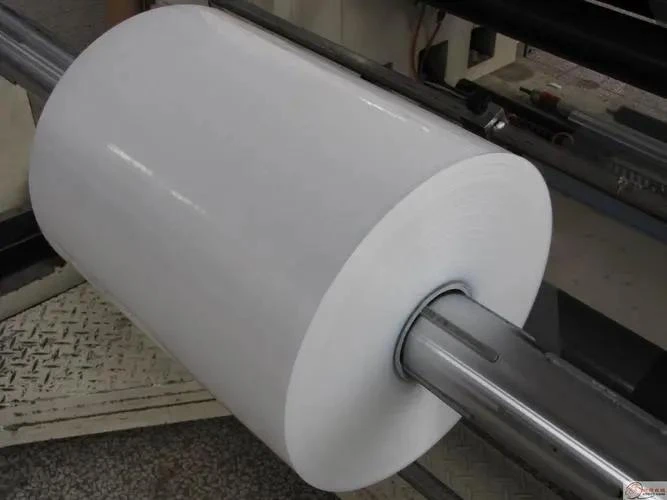
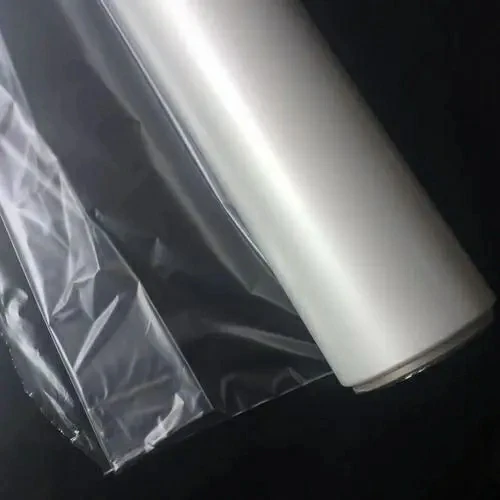
First off, let's quickly go over what TPU hot melt adhesive is. TPU stands for thermoplastic polyurethane. It's a type of adhesive that becomes sticky when heated and solidifies as it cools, creating a strong bond between two materials. One of the great things about TPU hot melt adhesive is its flexibility. It can withstand bending, stretching, and other movements without losing its bond, making it perfect for a wide range of applications. You can check out more about TPU Hot Melt Adhesive Film on our website.
Surface Preparation
Before you start bonding, it's crucial to prepare the surfaces of the materials you want to join. Cleanliness is key here. Any dirt, dust, oil, or grease on the surfaces can prevent the adhesive from bonding properly. You can use a mild detergent and water to clean the surfaces, followed by a thorough rinse and drying. Make sure the surfaces are completely dry before applying the adhesive.
For some materials, like plastics or metals, you might need to roughen the surface slightly to increase the surface area for the adhesive to grip. You can do this by using fine-grit sandpaper to gently sand the surface. Just be careful not to sand too aggressively, as this can damage the material.
Choosing the Right TPU Hot Melt Adhesive
There are different types of TPU hot melt adhesives available, and choosing the right one depends on several factors. Consider the materials you're bonding, the environment the bonded materials will be in, and the required strength of the bond.
If you're working with textiles, for example, you'll want to use a TPU Hot Melt Adhesive Film for Textile. This type of adhesive is designed to bond well with fabrics and can withstand the stresses of washing and wearing.
For more heavy-duty applications, such as bonding metals or plastics, you might need a stronger TPU hot melt adhesive with a higher melting point and better heat resistance. You can find more options for TPU Hot Melt on our website.
Application Process
Now, let's get to the actual bonding process. There are a few different ways to apply TPU hot melt adhesive, but the most common method is using a hot melt gun. Here's how you can do it:
- Heat the Adhesive: Insert the TPU hot melt adhesive stick into the hot melt gun and plug it in. Wait for the adhesive to heat up. This usually takes a few minutes. The gun will melt the adhesive, and you can then squeeze the trigger to dispense it.
- Apply the Adhesive: Once the adhesive is melted, apply it evenly to one of the prepared surfaces. Make sure to cover the entire area where you want the bond to be. You can use a steady, continuous motion to apply the adhesive. Be careful not to apply too much adhesive, as this can cause it to squeeze out when you press the two materials together.
- Join the Materials: As soon as you've applied the adhesive, quickly press the two materials together. Apply firm pressure for a few seconds to ensure a good bond. You can use clamps or weights to hold the materials in place while the adhesive cools and solidifies.
- Cooling and Curing: Let the adhesive cool completely. This usually takes a few minutes, depending on the type of adhesive and the thickness of the bond. During this time, the adhesive will harden and form a strong bond between the two materials. Avoid moving or disturbing the bonded materials until the adhesive has fully cured.
Tips for a Strong Bond
- Temperature Control: The temperature at which you apply the TPU hot melt adhesive is crucial. If the adhesive is too cold, it won't flow properly and may not bond well. On the other hand, if it's too hot, it can burn or damage the materials. Make sure to follow the manufacturer's instructions for the recommended temperature range.
- Timing: Work quickly once you've applied the adhesive. TPU hot melt adhesive starts to cool and solidify as soon as it's exposed to the air, so you need to join the materials together before it becomes too hard.
- Pressure: Applying enough pressure is important for a strong bond. Make sure to press the materials together firmly to ensure good contact between the adhesive and the surfaces.
Applications of TPU Hot Melt Adhesive
TPU hot melt adhesive has a wide range of applications across different industries. Here are some examples:
- Textile Industry: It's commonly used to bond fabrics in clothing, shoes, and other textile products. It can provide a flexible and durable bond that can withstand the rigors of daily use.
- Automotive Industry: TPU hot melt adhesive is used to bond various components in cars, such as interior trim, gaskets, and seals. Its high strength and heat resistance make it suitable for these applications.
- Electronics Industry: It can be used to bond electronic components, such as circuit boards and displays. The adhesive's electrical insulation properties and flexibility make it a good choice for this industry.
Conclusion
Bonding two materials with TPU hot melt adhesive can be a straightforward process if you follow the right steps. By preparing the surfaces properly, choosing the right adhesive, and applying it correctly, you can achieve a strong and durable bond. Whether you're working on a small DIY project or a large industrial application, TPU hot melt adhesive is a reliable choice.
If you're interested in purchasing TPU hot melt adhesive for your project, feel free to contact us for more information and to discuss your specific needs. We're here to help you find the best solution for your bonding requirements.
References
- "Handbook of Adhesive Technology" by A. Pizzi and K. L. Mittal
- "Adhesives and Sealants Technology" by R. D. Gilbert