

Adhesion is a critical property in various applications of hydrophilic thermoplastic polyurethane (TPU) films. As a supplier of hydrophilic TPU films, understanding and leveraging this adhesion property is essential for providing high - quality products to our customers. In this blog, we will delve into what the adhesion property of hydrophilic TPU film is, its influencing factors, and its significance in different industries.
What is Adhesion?
Adhesion refers to the tendency of dissimilar particles or surfaces to cling to one another. In the context of hydrophilic TPU films, it is the ability of the film to bond with other materials, such as substrates, adhesives, or other films. This bonding can be physical, chemical, or a combination of both.
Physical adhesion occurs when the hydrophilic TPU film adheres to a surface through mechanical interlocking or intermolecular forces, like van der Waals forces. For example, when the film is applied to a rough substrate, the microscopic irregularities of the substrate can act as anchors for the film, enhancing the physical adhesion.
Chemical adhesion, on the other hand, involves the formation of chemical bonds between the hydrophilic TPU film and the substrate. This can be achieved through reactions such as covalent bonding, hydrogen bonding, or ionic bonding. For instance, if the substrate has functional groups that can react with the functional groups on the TPU film, a chemical bond can be formed, resulting in strong adhesion.
Influencing Factors of Adhesion Property
Surface Energy
Surface energy plays a crucial role in the adhesion of hydrophilic TPU films. The surface energy of the film and the substrate must be compatible for good adhesion. Hydrophilic TPU films typically have a relatively high surface energy due to the presence of polar groups in their structure. When the surface energy of the substrate is similar to that of the film, the wetting of the substrate by the film is improved, leading to better adhesion. For example, substrates with high - energy surfaces, such as glass or metal, generally have better adhesion to hydrophilic TPU films compared to low - energy surfaces like polypropylene.
Surface Roughness
As mentioned earlier, surface roughness can enhance physical adhesion. A rougher substrate provides more surface area for the film to interact with, increasing the mechanical interlocking. However, if the roughness is too extreme, it may cause voids or air pockets between the film and the substrate, which can reduce adhesion. Therefore, an optimal level of surface roughness is required for the best adhesion results.
Temperature and Pressure
During the bonding process, temperature and pressure can significantly affect the adhesion of hydrophilic TPU films. Increasing the temperature can improve the flowability of the film, allowing it to better conform to the substrate surface and form stronger bonds. Pressure can also help to eliminate air bubbles and ensure intimate contact between the film and the substrate. For example, in some applications, hot - pressing techniques are used to bond hydrophilic TPU films to substrates, where the combination of heat and pressure enhances the adhesion.
Chemical Composition
The chemical composition of the hydrophilic TPU film and the substrate is another important factor. The presence of specific functional groups in the film can determine its ability to form chemical bonds with the substrate. For example, if the TPU film contains hydroxyl groups and the substrate has carboxyl groups, hydrogen bonding can occur between them, improving adhesion. Additionally, additives in the TPU film, such as adhesion promoters, can enhance the adhesion property by facilitating chemical reactions or improving the surface characteristics of the film.
Significance of Adhesion Property in Different Industries
Medical Industry
In the medical industry, hydrophilic TPU films are widely used in applications such as wound dressings, medical tapes, and Thermoplastic (TPU) Film Based Medical Devices. Good adhesion is essential to ensure that the film stays in place on the skin or other medical components. For wound dressings, the film needs to adhere firmly to the wound site to prevent leakage of exudate and protect the wound from external contaminants. In medical tapes, strong adhesion is required to secure medical devices or dressings to the patient's body without causing skin irritation. The hydrophilic nature of the TPU film also helps to improve the comfort of the patient by allowing moisture to pass through, reducing the risk of skin maceration.
Packaging Industry
In the packaging industry, hydrophilic TPU films are used for packaging products that require moisture - resistant and flexible packaging. Adhesion is important when the film is laminated to other materials, such as paper or cardboard, to form a composite packaging structure. A strong bond between the TPU film and the substrate ensures the integrity of the packaging, preventing delamination and protecting the contents from moisture, oxygen, and other environmental factors.
Textile Industry
In the textile industry, hydrophilic TPU films can be laminated to fabrics to provide waterproof and breathable properties. Good adhesion between the film and the fabric is necessary to ensure that the film does not peel off during washing or wearing. This is particularly important in applications such as sportswear and outdoor clothing, where the performance of the garment depends on the durability of the film - fabric lamination.
Evaluating Adhesion Property
There are several methods to evaluate the adhesion property of hydrophilic TPU films. One common method is the peel test, where a sample of the film bonded to a substrate is peeled at a constant rate, and the force required to peel the film is measured. Another method is the shear test, which measures the force required to slide the film parallel to the substrate surface. These tests can provide quantitative data on the adhesion strength of the film, allowing us to optimize the bonding process and ensure the quality of our products.
Our Offerings as a Hydrophilic TPU Film Supplier
As a leading supplier of hydrophilic TPU films, we understand the importance of adhesion property in different applications. We have a team of experts who are dedicated to researching and developing films with excellent adhesion characteristics. Our films are carefully formulated to have the right balance of surface energy, chemical composition, and other properties to ensure strong adhesion to a wide range of substrates.
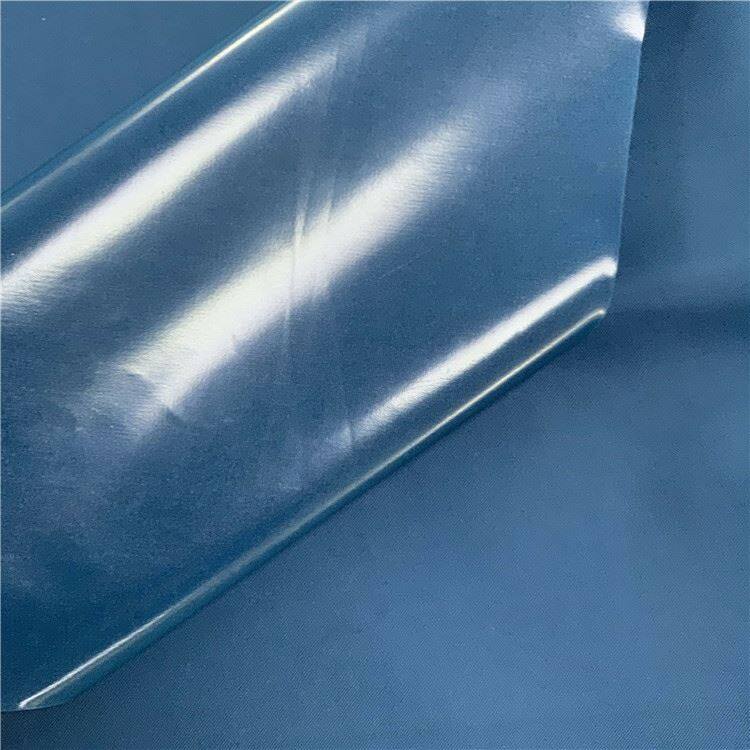
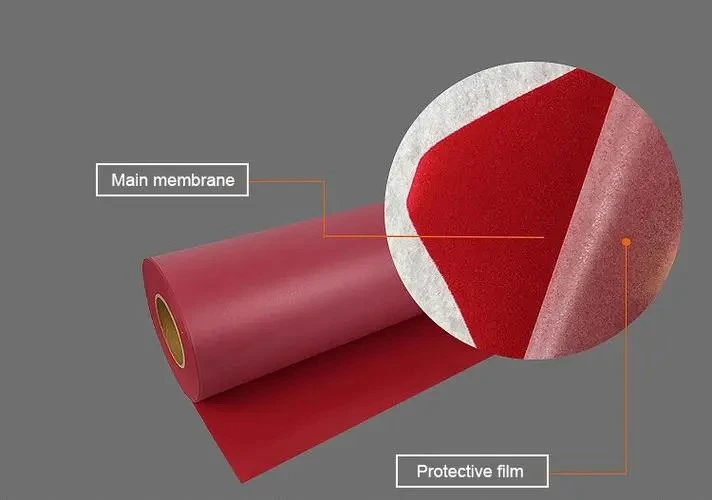
We also offer a TPU Films Selector Tool that can help our customers choose the most suitable film for their specific applications. This tool takes into account factors such as adhesion requirements, substrate type, and environmental conditions to provide personalized recommendations.
In addition, we provide technical support to our customers throughout the bonding process. Our experts can offer advice on surface preparation, bonding techniques, and other aspects to ensure the best adhesion results. Whether you are in the medical, packaging, textile, or other industries, we can provide you with high - quality hydrophilic TPU films that meet your adhesion needs.
Contact Us for Procurement
If you are interested in our hydrophilic TPU films and would like to discuss your specific requirements, please feel free to contact us. We are eager to engage in procurement discussions with you and provide you with the best solutions for your adhesion - related applications. Whether you need a small - scale sample for testing or a large - scale production order, we are here to serve you.
References
- ASTM D903 - 98(2010)e1, Standard Test Method for Peel or Stripping Strength of Adhesive Bonds.
- Kinloch, A. J. (1987). Adhesion and Adhesives: Science and Technology. Chapman and Hall.
- Mittal, K. L. (Ed.). (1996). Adhesion Measurement of Thin Films, Thick Films and Bulk Coatings. VSP.