

As a seasoned TPU Hot Melt supplier, I'm excited to delve into the technical specifications of TPU Hot Melt, a remarkable material that has revolutionized various industries. TPU, or Thermoplastic Polyurethane, is a versatile polymer known for its excellent elasticity, abrasion resistance, and chemical stability. When transformed into a hot melt adhesive, it offers a wide range of benefits that make it a preferred choice for many applications.
Chemical Composition and Structure
TPU Hot Melt is composed of a linear segmented block copolymer, which consists of hard and soft segments. The hard segments are typically formed by diisocyanates and chain extenders, while the soft segments are made up of polyols. The ratio of hard to soft segments can be adjusted to tailor the properties of the TPU Hot Melt, such as its hardness, flexibility, and melting point.
The chemical structure of TPU Hot Melt gives it unique properties that make it suitable for a variety of applications. The hard segments provide strength and rigidity, while the soft segments contribute to flexibility and elasticity. This combination results in a material that can withstand high stress and strain without losing its shape or adhesion.
Physical Properties
Melting Point
The melting point of TPU Hot Melt is an important parameter that determines its processing temperature. It typically ranges from 100°C to 200°C, depending on the specific formulation. A lower melting point allows for easier processing at lower temperatures, which can save energy and reduce the risk of thermal degradation. On the other hand, a higher melting point may be required for applications that demand greater heat resistance.
Viscosity
Viscosity is another crucial physical property of TPU Hot Melt. It refers to the resistance of the material to flow and is measured in centipoise (cP). The viscosity of TPU Hot Melt can vary depending on factors such as temperature, shear rate, and molecular weight. A lower viscosity makes the material easier to apply and spread, while a higher viscosity can provide better adhesion and hold.
Tensile Strength and Elongation
TPU Hot Melt exhibits excellent tensile strength and elongation properties. Tensile strength is the maximum stress that a material can withstand before breaking, while elongation is the percentage increase in length of the material under tension. These properties are important for applications that require the adhesive to withstand stretching and pulling forces without failing.
Hardness
The hardness of TPU Hot Melt is typically measured on the Shore hardness scale. It can range from very soft (Shore A 20) to very hard (Shore D 70). The hardness of the material can be adjusted by changing the ratio of hard to soft segments in the polymer structure. A softer TPU Hot Melt is more flexible and conformable, while a harder one offers greater strength and durability.
Adhesive Properties
Bond Strength
One of the most important properties of TPU Hot Melt is its bond strength. It can form strong and durable bonds with a wide range of substrates, including textiles, plastics, metals, and wood. The bond strength is influenced by factors such as surface preparation, application temperature, and pressure. Proper surface preparation, such as cleaning and roughening, can improve the adhesion of the TPU Hot Melt to the substrate.
Heat Resistance
TPU Hot Melt offers good heat resistance, which makes it suitable for applications that are exposed to high temperatures. It can maintain its bond strength and physical properties at temperatures up to 100°C or higher, depending on the specific formulation. This heat resistance is important for applications such as automotive interiors, where the adhesive needs to withstand the heat generated by the engine and sunlight.
Chemical Resistance
TPU Hot Melt is resistant to a variety of chemicals, including oils, solvents, and water. This chemical resistance makes it suitable for applications in harsh environments, such as industrial manufacturing and outdoor equipment. It can protect the bonded substrates from corrosion and damage caused by chemical exposure.

Applications
TPU Hot Melt has a wide range of applications in various industries, thanks to its excellent physical and adhesive properties. Some of the common applications include:
Textile Industry
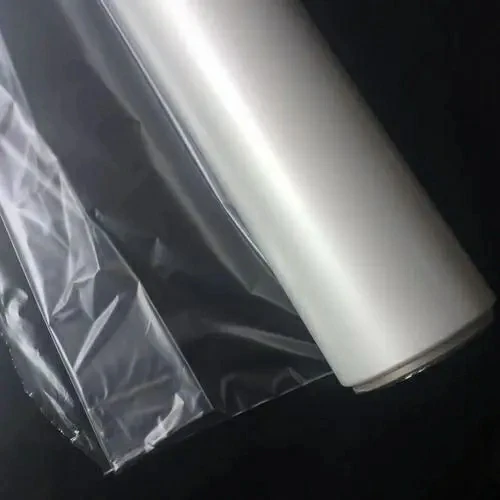
In the textile industry, TPU Hot Melt Adhesive Film for Textile is used for bonding fabrics, laminating layers, and creating waterproof and breathable membranes. It provides a strong and flexible bond that can withstand washing and dry cleaning, making it ideal for sportswear, outdoor clothing, and medical textiles.
Automotive Industry
The automotive industry uses TPU Hot Melt for interior trim bonding, headliner attachment, and wire harnessing. Its heat resistance, chemical resistance, and vibration damping properties make it suitable for the demanding environment of automotive applications. It can also help to reduce noise and improve the overall comfort of the vehicle.
Electronics Industry
In the electronics industry, TPU Hot Melt is used for bonding components, sealing connectors, and protecting sensitive electronic devices. Its excellent electrical insulation properties and low outgassing make it a preferred choice for electronic applications. It can also provide shock absorption and vibration isolation, which helps to protect the electronic components from damage.
Packaging Industry
The packaging industry uses TPU Hot Melt for sealing cartons, bonding labels, and assembling packaging materials. It provides a fast and reliable bonding solution that can improve the efficiency and productivity of the packaging process. Its flexibility and conformability also make it suitable for packaging irregularly shaped products.
Quality Control and Testing
As a TPU Hot Melt supplier, we understand the importance of quality control and testing to ensure the performance and reliability of our products. We have a comprehensive quality control system in place that includes raw material inspection, in-process monitoring, and final product testing.
We use advanced testing equipment and techniques to evaluate the physical and adhesive properties of our TPU Hot Melt. Some of the common tests include melting point determination, viscosity measurement, tensile strength and elongation testing, bond strength testing, and chemical resistance testing. These tests help us to ensure that our products meet the highest quality standards and customer requirements.
Conclusion
In conclusion, TPU Hot Melt is a versatile and high-performance adhesive material that offers a wide range of benefits for various industries. Its unique chemical composition and structure give it excellent physical and adhesive properties, such as high melting point, low viscosity, good tensile strength and elongation, and strong bond strength.
As a TPU Hot Melt supplier, we are committed to providing our customers with the highest quality products and excellent customer service. If you are interested in learning more about our TPU Hot Melt products or have any questions about their technical specifications, please feel free to contact us. We look forward to discussing your specific requirements and finding the best solution for your application.
References
- "Thermoplastic Polyurethane Elastomers: Science and Technology" by Christopher K. Riew and K. C. Frisch
- "Handbook of Adhesive Technology" edited by Andrew Pizzi and K. L. Mittal
- "Adhesives and Sealants Technology: Chemistry and Applications" by Charles A. Dostal