

Hey there! As a supplier of polyether - based TPU film, I've been getting a lot of questions lately about what the insulation requirements are for this type of film in the electronics industry. So, I thought I'd sit down and write this blog to share some insights.
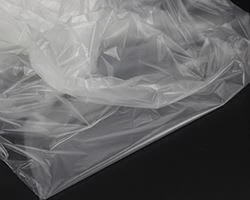
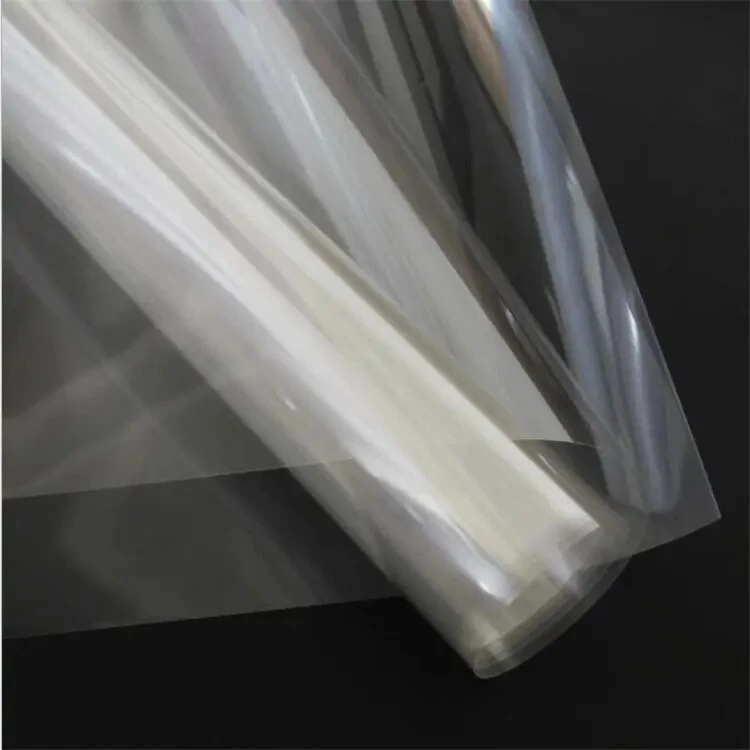
First off, let's talk a bit about what polyether - based TPU film is. Polyether - based TPU, or thermoplastic polyurethane, is a super versatile material. It combines the elasticity of rubber with the strength and processability of plastic. And when it comes to electronics, the insulation properties of this film are crucial.
Electrical Insulation Resistance
One of the most fundamental requirements for polyether - based TPU film in electronics is its electrical insulation resistance. In simple terms, this is how well the film can prevent the flow of electric current. The electronics industry demands a very high level of insulation resistance to ensure the safety and proper functioning of devices.
For example, in smartphones and laptops, there are numerous delicate electronic components. If the insulation provided by the TPU film isn't up to par, there could be short - circuits, which can lead to device malfunctions, overheating, or even pose a safety hazard to the user. A high - quality Polyether TPU Film should have an insulation resistance value that meets or exceeds the industry standards. Usually, values in the range of gigohms (GΩ) are considered good for most electronic applications.
Dielectric Strength
Dielectric strength is another key factor. It refers to the maximum electric field that the TPU film can withstand without breaking down and allowing current to flow. In electronics, components are often exposed to varying levels of electric fields. A polyether - based TPU film with high dielectric strength can protect these components from electrical breakdown.
Let's say you have a power supply unit in a computer. The electric fields within it can be quite strong. The TPU film used in the insulation of this unit needs to have a high dielectric strength to ensure that it doesn't break down under the influence of these fields. A breakdown can cause a sudden surge of current, which can damage the power supply and other connected components.
Thermal Insulation
Heat is the enemy of electronics. Excessive heat can cause components to degrade over time, reducing their lifespan and performance. That's where the thermal insulation properties of polyether - based TPU film come in.
The film should be able to act as a barrier to heat transfer. It helps to keep the heat generated by electronic components from spreading to other parts of the device. For instance, in a high - performance gaming laptop, the CPU and GPU can get extremely hot during intensive gaming sessions. A UV Protection TPU Film with good thermal insulation can help in containing the heat and maintaining a stable operating temperature for the device.
Chemical Resistance
In the electronics manufacturing process, components are often exposed to various chemicals. The polyether - based TPU film needs to have good chemical resistance to ensure that it doesn't degrade when in contact with these substances.
For example, during the cleaning and soldering processes, chemicals like fluxes and solvents are used. If the TPU film isn't chemically resistant, it can swell, crack, or lose its insulation properties. This can lead to a decrease in the overall performance and reliability of the electronic device.
Flexibility and Durability
Electronics are often subject to bending, folding, and other mechanical stresses. The polyether - based TPU film used in them needs to be flexible enough to withstand these stresses without losing its insulation properties.
Take a flexible display device, for example. The TPU film used in its insulation needs to be able to bend and flex repeatedly without cracking or delaminating. At the same time, it should be durable enough to resist wear and tear over the long term. A TPU Film for Outdoor also needs to be flexible and durable to withstand environmental factors like wind, rain, and temperature changes if it's used in outdoor electronic equipment.
Low Moisture Absorption
Moisture can be a big problem for electronics. It can conduct electricity, corrode components, and reduce the insulation properties of materials. Polyether - based TPU film should have low moisture absorption characteristics.
When the film absorbs moisture, its electrical insulation resistance can decrease significantly. This can lead to electrical leakage and other performance issues in electronic devices. So, a good TPU film should be able to maintain its insulation properties even in high - humidity environments.
Compatibility with Other Materials
In electronics, the TPU film is often used in combination with other materials. It needs to be compatible with these materials to ensure proper adhesion and overall performance.
For example, if the TPU film is used in a printed circuit board (PCB), it needs to adhere well to the board material and other components. Incompatibility can lead to delamination, which can expose the electronic components and compromise their insulation.
As a supplier of polyether - based TPU film, I understand the importance of meeting all these requirements. We've invested a lot of time and resources in research and development to ensure that our films meet the high standards of the electronics industry.
If you're in the electronics business and are looking for a reliable polyether - based TPU film supplier, I'd love to have a chat with you. Whether you're working on a new smartphone model, a high - tech wearable device, or any other electronic product, we can provide you with the right solution. Just reach out, and we can start discussing your specific needs and how our films can fit into your project.
References
- "Handbook of Thermoplastic Elastomers"
- "Electrical Insulation Materials: Properties and Applications"