

In the realm of breathable film materials, Thermoplastic Polyurethane (TPU) stands out as a remarkable option, offering a unique set of properties that distinguish it from other alternatives. As a supplier of TPU breathable films, I have witnessed firsthand the growing demand for this material and the numerous benefits it provides. In this blog post, I will explore the differences between TPU and other breathable film materials, shedding light on why TPU is often the preferred choice for various applications.
Understanding Breathable Film Materials
Before delving into the differences, it's essential to understand what breathable film materials are and why they are important. Breathable films are designed to allow air and moisture vapor to pass through while preventing the penetration of liquid water. This property makes them ideal for applications where moisture management is crucial, such as in clothing, footwear, medical products, and packaging.
There are several types of breathable film materials available on the market, each with its own characteristics and performance attributes. Some of the most common materials include:
- Polyethylene (PE): PE is a widely used polymer known for its low cost, flexibility, and chemical resistance. PE breathable films are typically made by stretching the polymer to create micro - pores that allow moisture vapor to escape.
- Polypropylene (PP): PP is another popular polymer with excellent mechanical properties and high melting point. PP breathable films are often used in applications where durability and heat resistance are required.
- Polytetrafluoroethylene (PTFE): PTFE, also known as Teflon, is a high - performance polymer with exceptional chemical resistance, low friction, and high temperature stability. PTFE breathable films are made by expanding the polymer into a porous structure, providing excellent breathability and waterproofing.
Differences in Breathability
One of the primary differences between TPU and other breathable film materials lies in their breathability. Breathability is typically measured in terms of moisture vapor transmission rate (MVTR), which indicates how much moisture vapor can pass through a material per unit area and time.
TPU breathable films offer a wide range of MVTR values, from medium to high breathability. Our Medium Breathable Waterproof TPU Film provides a balanced level of breathability, making it suitable for applications where moderate moisture management is required. On the other hand, our High Breathable Waterproof TPU Film offers an extremely high MVTR, allowing for rapid moisture transfer and excellent comfort.
In comparison, PE and PP breathable films generally have lower MVTR values compared to TPU. This is because the micro - pores in PE and PP films are relatively large, which can lead to a higher risk of liquid water penetration. PTFE breathable films, while offering high breathability, are often more expensive and may require special manufacturing processes.
Waterproofing Performance
Waterproofing is another critical factor when choosing a breathable film material. TPU breathable films are known for their excellent waterproofing properties, thanks to their dense molecular structure. TPU can effectively prevent liquid water from passing through while still allowing moisture vapor to escape.
Our Washable TPU Film is specifically designed to maintain its waterproofing performance even after multiple washes. This makes it an ideal choice for applications such as outdoor clothing and footwear, where durability and water resistance are essential.
PE and PP breathable films may have some level of waterproofing, but they are generally less effective than TPU. The micro - pores in these films can be easily clogged by dirt or other contaminants, reducing their waterproofing ability over time. PTFE breathable films, on the other hand, offer excellent waterproofing, but they can be more difficult to bond to other materials.
Flexibility and Comfort
Flexibility and comfort are important considerations, especially in applications such as clothing and footwear. TPU breathable films are highly flexible and can conform to the shape of the body, providing a comfortable fit. They also have a soft feel, which enhances the wearing experience.
PE and PP breathable films are relatively stiff compared to TPU, which can limit their use in applications where flexibility is crucial. PTFE breathable films, while flexible, are often laminated to other materials to improve their mechanical properties, which can add bulk and reduce comfort.
Chemical Resistance
TPU breathable films exhibit good chemical resistance, making them suitable for use in a variety of environments. TPU can resist the effects of many chemicals, including oils, greases, and solvents. This property is particularly important in applications such as medical products and industrial packaging, where the film may come into contact with various chemicals.
PE and PP breathable films have moderate chemical resistance, but they may be more susceptible to degradation by certain chemicals. PTFE breathable films offer excellent chemical resistance, but they are more expensive and may not be necessary for all applications.
Adhesion and Compatibility
Another advantage of TPU is its excellent adhesion and compatibility with other materials. TPU can be easily bonded to fabrics, foams, and other substrates using various adhesive methods, such as heat sealing, ultrasonic welding, and lamination. This makes it a versatile material for a wide range of applications.
PE and PP breathable films may require special surface treatments or adhesives to achieve good adhesion. PTFE breathable films are notoriously difficult to bond due to their low surface energy, often requiring complex surface modification techniques.
Cost - effectiveness
Cost is always a significant factor in material selection. TPU breathable films offer a good balance between performance and cost. While they may be more expensive than PE and PP films, they provide superior breathability, waterproofing, and flexibility, which can justify the higher cost in many applications.
PTFE breathable films are generally the most expensive option due to the high cost of the raw material and the complex manufacturing processes involved.
Applications
The unique properties of TPU breathable films make them suitable for a wide range of applications, including:
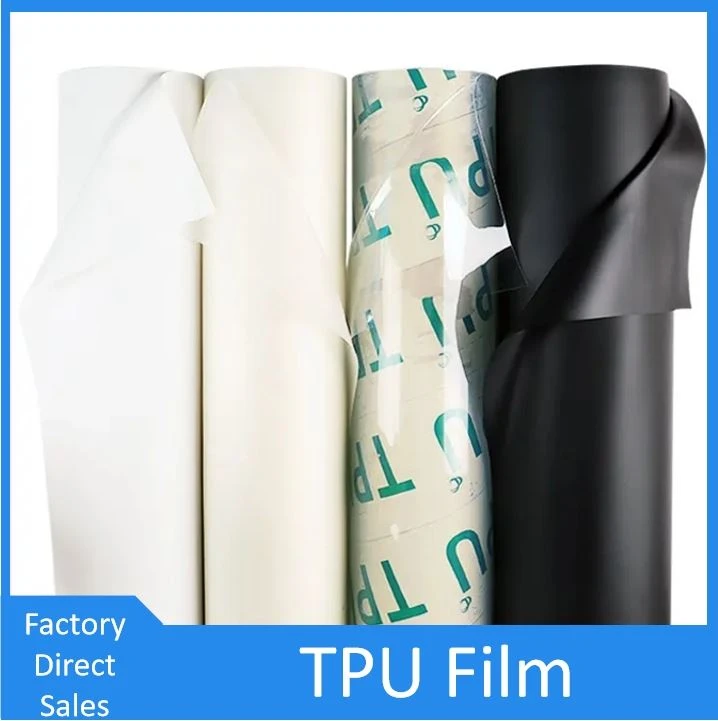

- Outdoor Clothing: TPU breathable films are used in jackets, pants, and gloves to provide waterproofing and breathability, keeping the wearer dry and comfortable in various weather conditions.
- Footwear: TPU films are incorporated into shoes to enhance moisture management and prevent the build - up of sweat and odor.
- Medical Products: TPU breathable films are used in wound dressings, surgical gowns, and medical packaging to provide a barrier against bacteria and moisture while allowing the skin to breathe.
- Packaging: TPU films are used in food packaging, electronic packaging, and industrial packaging to protect the contents from moisture and oxygen while allowing for ventilation.
Conclusion
In conclusion, TPU breathable films offer several distinct advantages over other breathable film materials. Their high breathability, excellent waterproofing, flexibility, chemical resistance, adhesion, and cost - effectiveness make them a preferred choice for a wide range of applications.
As a supplier of TPU breathable films, we are committed to providing high - quality products that meet the diverse needs of our customers. If you are interested in learning more about our TPU breathable films or would like to discuss potential applications, please feel free to contact us for procurement and further business discussions. We look forward to working with you to find the best solution for your specific requirements.
References
- ASTM International. (20XX). Standard test methods for water vapor transmission of materials.
- Plastics Engineering Handbook. (20XX). Various editions covering polymer properties and processing.
- Journal of Polymer Science. Articles on TPU and other polymer breathable films.