

As a supplier of TPU Hot Melt, I understand the significance of proper storage in maintaining the quality and performance of this product. TPU (Thermoplastic Polyurethane) Hot Melt is a versatile adhesive widely used in various industries, including textiles, footwear, and automotive. In this blog post, I will share some scientific and practical tips on how to store TPU Hot Melt effectively.
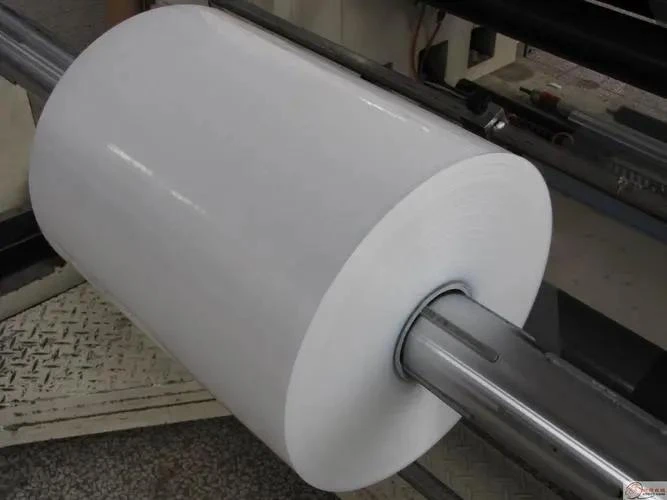
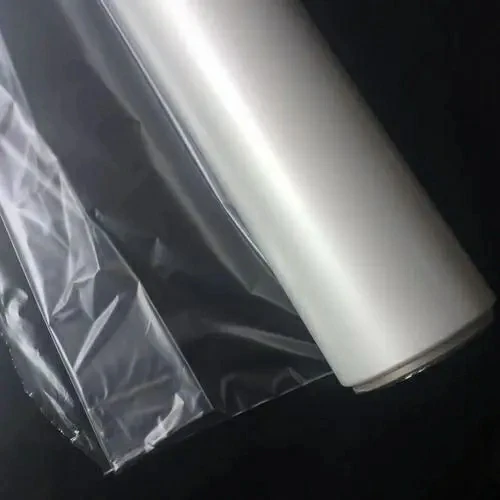
Understanding TPU Hot Melt
Before delving into storage methods, it's essential to understand the nature of TPU Hot Melt. TPU Hot Melt is a thermoplastic adhesive that becomes fluid when heated and solidifies upon cooling, forming a strong bond. It is sensitive to environmental factors such as temperature, humidity, and light, which can affect its physical and chemical properties.
Ideal Storage Conditions
- Temperature Control
- TPU Hot Melt should be stored in a cool and dry place. The ideal temperature range for storage is between 20°C and 25°C (68°F - 77°F). High temperatures can cause the TPU to soften or even melt, leading to changes in its viscosity and adhesive properties. On the other hand, extremely low temperatures can make the TPU brittle, reducing its flexibility and bonding strength.
- Avoid storing TPU Hot Melt near heat sources such as radiators, heaters, or direct sunlight. If the storage area is subject to temperature fluctuations, consider using climate - controlled storage facilities to maintain a stable temperature.
- Humidity Management
- Humidity is another critical factor. TPU Hot Melt is hygroscopic, which means it can absorb moisture from the air. Excessive moisture absorption can lead to hydrolysis of the TPU, resulting in a decrease in molecular weight and a loss of adhesive strength.
- The relative humidity in the storage area should be kept below 60%. To achieve this, you can use dehumidifiers in the storage room. Additionally, ensure that the storage containers are tightly sealed to prevent moisture from entering.
- Light Exposure
- Prolonged exposure to light, especially ultraviolet (UV) light, can cause degradation of TPU Hot Melt. UV light can break down the chemical bonds in the TPU, leading to discoloration, embrittlement, and a reduction in adhesive performance.
- Store TPU Hot Melt in opaque containers or in a dark storage area. If the product is stored in transparent or translucent packaging, it should be kept away from direct sunlight or strong artificial light sources.
Storage Containers
- Sealed Containers
- Use air - tight containers to store TPU Hot Melt. Sealed containers prevent the entry of air, moisture, and dust, which can all have a negative impact on the product. Plastic or metal containers with tight - fitting lids are suitable options.
- Label the containers clearly with the product name, batch number, and date of receipt. This helps in inventory management and ensures that older stock is used first (first - in, first - out principle).
- Container Material Compatibility
- Ensure that the container material is compatible with TPU Hot Melt. Some plastics or metals may react with the TPU, causing contamination or degradation of the product. For example, certain types of PVC may release plasticizers that can affect the TPU.
- Conduct compatibility tests before using a new type of container. If possible, use containers recommended by the TPU Hot Melt manufacturer.
Handling During Storage
- Stacking and Loading
- When stacking TPU Hot Melt containers, be careful not to apply excessive pressure on the lower containers. Over - stacking can cause deformation of the containers, which may lead to leakage or damage to the product.
- Follow the stacking instructions provided by the manufacturer. If the containers are palletized, ensure that the pallets are stable and evenly loaded.
- Inventory Rotation
- Implement a proper inventory rotation system. As mentioned earlier, use the first - in, first - out (FIFO) principle. This ensures that the oldest stock is used first, reducing the risk of product degradation due to long - term storage.
- Regularly check the inventory to identify any products that are approaching their expiration date or showing signs of damage.
Monitoring and Quality Control
- Regular Inspections
- Conduct regular inspections of the stored TPU Hot Melt. Check for signs of physical damage, such as leaks, cracks, or discoloration. Also, monitor the temperature and humidity in the storage area using appropriate sensors.
- If any issues are detected during the inspection, take immediate action. This may include transferring the product to a more suitable storage location or discarding damaged products.
- Quality Testing
- Periodically perform quality tests on the stored TPU Hot Melt. This can include tests for viscosity, melting point, and adhesive strength. Compare the test results with the original product specifications to ensure that the product quality has not been compromised.
Impact of Improper Storage
- Product Degradation
- Improper storage can lead to significant product degradation. For example, high temperatures and humidity can cause the TPU to become sticky and clump together, making it difficult to process. The adhesive strength may also be reduced, resulting in poor bonding performance in end - use applications.
- Degraded TPU Hot Melt may not meet the quality requirements of customers, leading to product returns and potential damage to your business reputation.
- Safety Risks
- In some cases, improper storage can pose safety risks. For instance, if TPU Hot Melt is stored near heat sources and catches fire, it can release toxic fumes. Additionally, if the product is contaminated due to improper storage, it may cause health problems when used in manufacturing processes.
Conclusion
Proper storage of TPU Hot Melt is crucial for maintaining its quality and performance. By controlling temperature, humidity, and light exposure, using suitable storage containers, and implementing proper handling and monitoring procedures, you can ensure that your TPU Hot Melt remains in optimal condition.
If you are interested in purchasing high - quality TPU Hot Melt, TPU Hot Melt Adhesive Film, or TPU Hot Melt Adhesive Film for Textile, please feel free to contact us for more information and to start a procurement discussion. We are committed to providing you with the best products and services.
References
- ASTM International standards on adhesive storage and handling.
- Technical literature provided by TPU Hot Melt manufacturers.
- Industry research on the effects of environmental factors on thermoplastic adhesives.