

Hey there! As a supplier of TPU breathable film, I've seen firsthand how important it is to store this stuff properly. TPU, or thermoplastic polyurethane, is a super versatile material used in a ton of different applications, from outdoor gear to medical equipment. Its breathability makes it a top choice for products where moisture management is key. But if you don't store it right, you can run into all sorts of problems that can mess up its performance. So, let's dive into how to store TPU breathable film the right way.
Understanding TPU Breathable Film
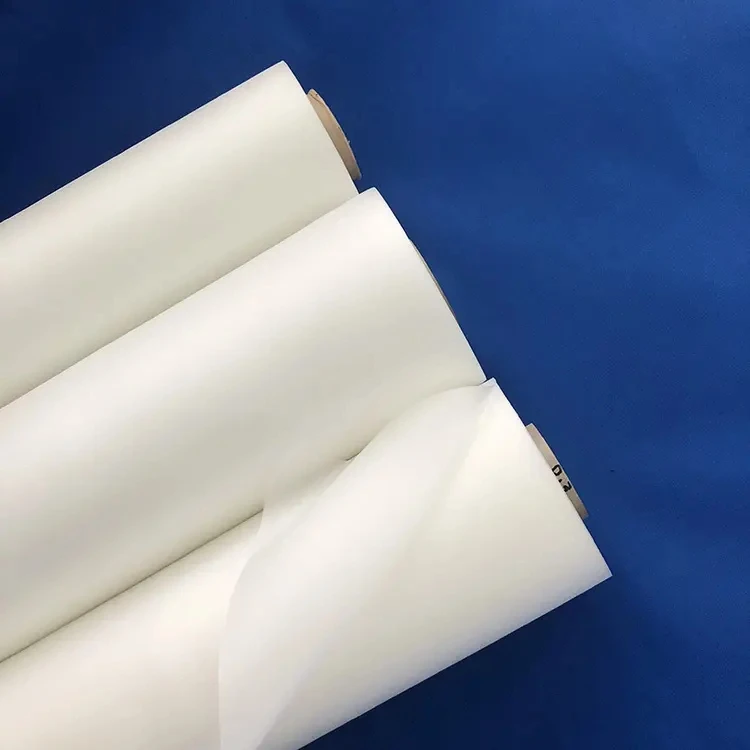
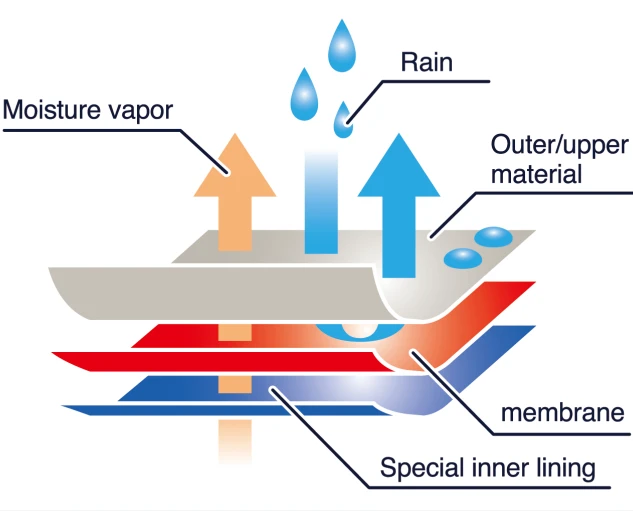
Before we get into storage, let's quickly chat about what TPU breathable film is. It's a thin, flexible material that allows air and moisture vapor to pass through while keeping liquid water out. This unique property makes it ideal for products like Waterproof and Breathable TPU Film, which are used in everything from rain jackets to shoes. There's also Laminated TPU Film, where the TPU is bonded to another material for added strength and functionality. And Waterproof TPU Film for Garments is specifically designed to keep you dry and comfortable in wet conditions.
Temperature and Humidity Control
One of the most crucial factors in storing TPU breathable film is controlling the temperature and humidity. TPU is sensitive to extreme temperatures and high humidity, which can cause it to degrade over time. Here's what you need to know:
Temperature
- Ideal Range: The best temperature for storing TPU breathable film is between 20°C and 25°C (68°F and 77°F). This range helps maintain the film's physical properties and prevents it from becoming too brittle or too soft.
- Avoid Extremes: Don't store the film in areas that get too hot or too cold. High temperatures can cause the TPU to melt or deform, while low temperatures can make it stiff and prone to cracking.
Humidity
- Low Humidity: Aim for a relative humidity of around 40% to 60%. High humidity can lead to moisture absorption, which can affect the film's breathability and cause it to stick together.
- Dehumidifiers: If you're storing the film in a humid environment, consider using a dehumidifier to keep the moisture levels in check.
Protection from Light
Another thing to keep in mind is protecting the TPU breathable film from light, especially ultraviolet (UV) light. UV rays can break down the chemical structure of the TPU, causing it to yellow, become brittle, and lose its strength. Here's how you can protect it:
- Store in the Dark: Keep the film in a dark, enclosed space, such as a storage cabinet or a warehouse with blackout curtains.
- Use UV-Resistant Packaging: If the film is being shipped or stored for an extended period, use UV-resistant packaging materials to shield it from the sun's rays.
Proper Packaging
The way you package the TPU breathable film can also have a big impact on its storage life. Here are some tips for proper packaging:
- Sealed Containers: Store the film in sealed containers to prevent dust, dirt, and moisture from getting in. Plastic bags or boxes with tight-fitting lids work well.
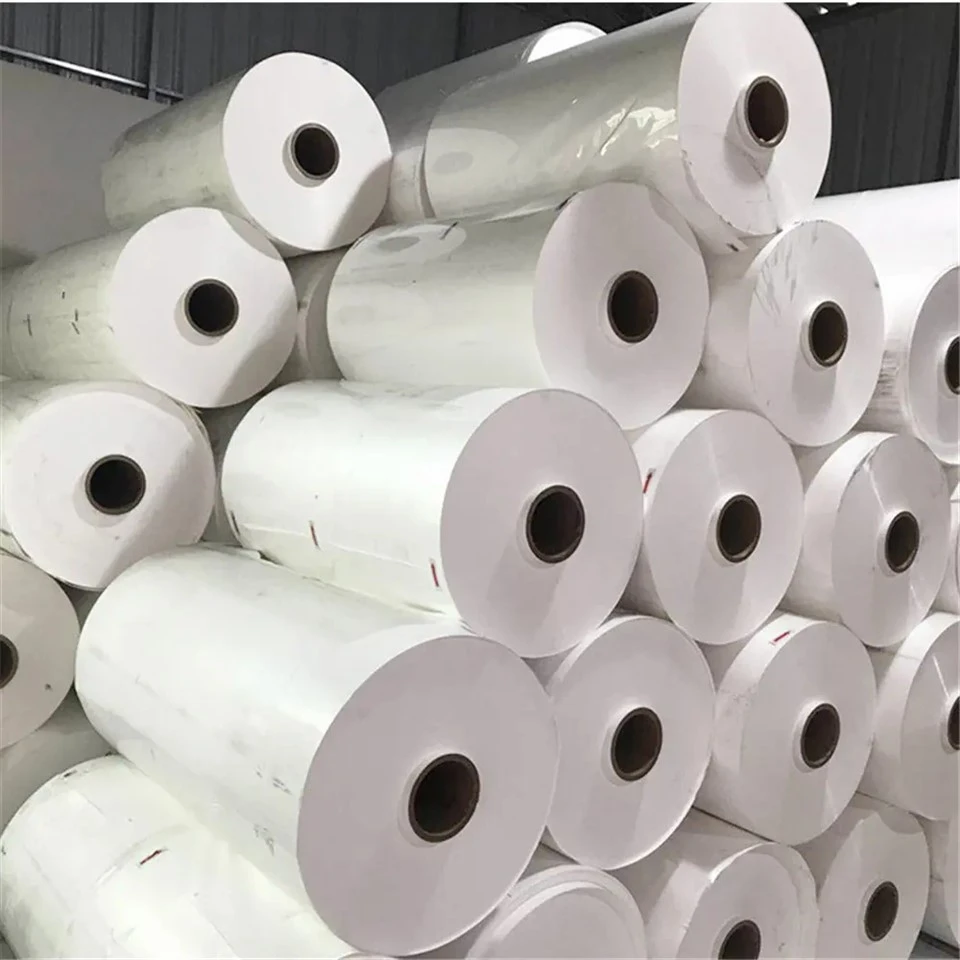
- Separate Layers: If you're storing multiple rolls of film, separate them with a layer of protective material, such as paper or plastic, to prevent scratching and sticking.
- Labeling: Clearly label the containers with the type of film, the date of storage, and any other relevant information. This will make it easier to keep track of your inventory and ensure that you're using the oldest stock first.
Handling and Storage Location
How you handle and where you store the TPU breathable film can also affect its quality. Here are some best practices:
- Gentle Handling: When moving or handling the film, be gentle to avoid damaging it. Avoid sharp edges or rough surfaces that could scratch or puncture the film.
- Flat Storage: Store the film rolls flat on a stable surface to prevent them from warping or deforming. If you need to stack the rolls, make sure they're properly supported and not too heavy on top of each other.
- Avoid Vibration: Vibrations can cause the film to shift and rub against each other, leading to damage. Store the film in a location that's free from excessive vibration, such as near heavy machinery or traffic areas.
Regular Inspections
Even if you're storing the TPU breathable film correctly, it's still a good idea to conduct regular inspections to check for any signs of damage or degradation. Here's what you should look for:
- Visual Inspection: Check the film for any signs of discoloration, cracking, or peeling. If you notice any issues, isolate the affected rolls and determine the cause.
- Performance Testing: Periodically test the film's breathability and waterproofness to ensure that it's still meeting the required standards. This can help you catch any problems early on and take corrective action.
Conclusion
Storing TPU breathable film properly is essential to maintain its quality and performance. By controlling the temperature and humidity, protecting it from light, using proper packaging, handling it gently, and conducting regular inspections, you can ensure that your TPU breathable film stays in top condition for as long as possible.
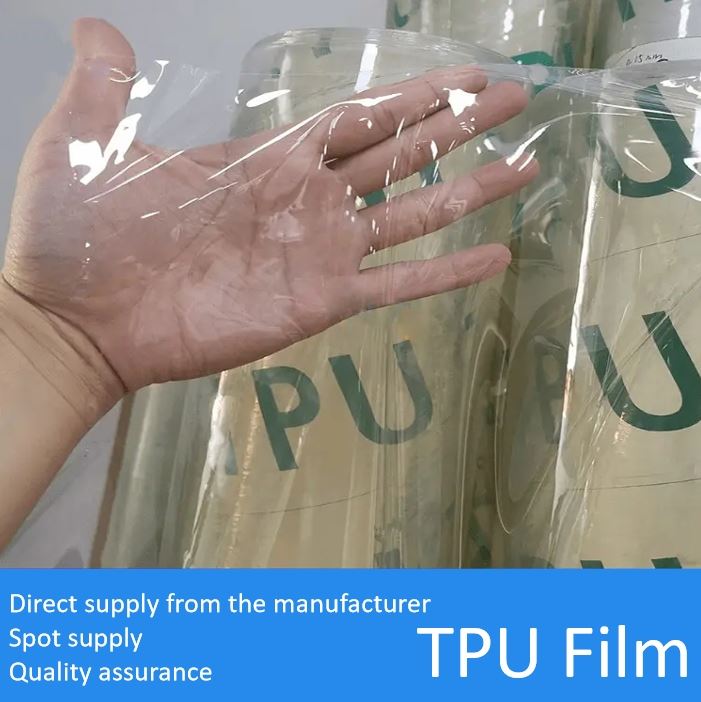
If you're in the market for high-quality TPU breathable film, we've got you covered. Our products are designed to meet the highest standards of performance and durability. Whether you need Laminated TPU Film, Waterproof and Breathable TPU Film, or Waterproof TPU Film for Garments, we have the right solution for you. Contact us today to discuss your requirements and start a procurement negotiation.
References
- "Thermoplastic Polyurethane (TPU) - Properties, Applications, and Processing." Plastics Technology, accessed [Date].
- "Best Practices for Storing Polymer Films." Packaging Digest, accessed [Date].