

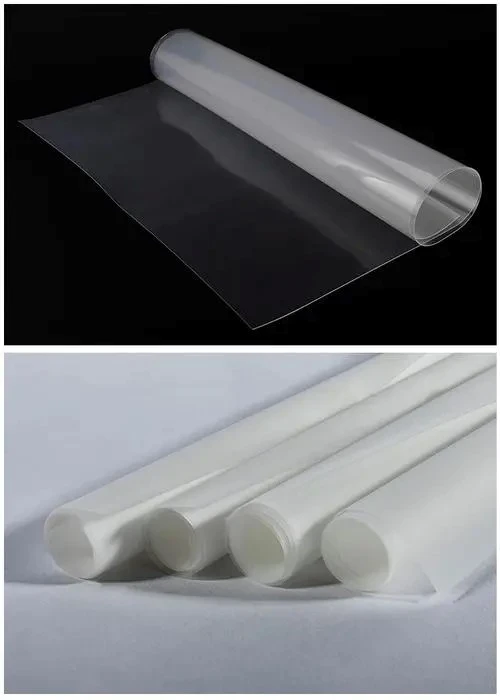
As a reliable supplier of TPU Film for Pressure, I am delighted to share with you a comprehensive guide on how to install TPU film for pressure applications. TPU (Thermoplastic Polyurethane) film is a versatile material known for its excellent elasticity, durability, and resistance to abrasion, making it an ideal choice for various pressure-related uses, including Medical Surgical Film, TPU Film for Air Mattress, and Medical Grade TPU Film.
Preparation Before Installation
1. Surface Preparation
The first step in installing TPU film for pressure is to ensure that the surface where the film will be applied is clean, dry, and smooth. Any dirt, dust, or debris on the surface can prevent the film from adhering properly, leading to air bubbles or poor adhesion. Use a mild detergent and a clean cloth to wipe the surface thoroughly, then rinse it with clean water and allow it to dry completely.
2. Measuring and Cutting
Accurate measurement and cutting of the TPU film are crucial to ensure a proper fit. Measure the dimensions of the surface where the film will be applied, and add a few extra inches to each side to allow for trimming. Use a sharp utility knife or scissors to cut the film to the appropriate size. It is recommended to make the cuts on a flat, clean surface to ensure straight edges.
3. Tools and Equipment
Gather all the necessary tools and equipment before starting the installation process. You will need a squeegee, a heat gun (optional), a ruler, a utility knife or scissors, and a clean cloth. The squeegee will be used to remove air bubbles and ensure a smooth application of the film, while the heat gun can be used to soften the film and make it more pliable, especially for curved surfaces.
Installation Process
1. Applying the Adhesive (if required)
Some TPU films come with a pre - applied adhesive, while others may require the use of a separate adhesive. If your film does not have a pre - applied adhesive, apply a thin, even layer of adhesive to the surface using a brush or a roller. Make sure to follow the manufacturer's instructions regarding the type of adhesive to use and the application method.
2. Positioning the Film
Carefully place the cut TPU film on the prepared surface, starting from one end and gradually laying it down. Align the film with the edges of the surface, and use a ruler to ensure straight placement. If the film is large, it may be helpful to have a second person assist you in holding the film in place.
3. Removing Air Bubbles
Once the film is positioned on the surface, use a squeegee to remove any air bubbles trapped between the film and the surface. Start from the center of the film and work your way outwards, applying firm pressure to the squeegee. If you encounter any stubborn air bubbles, use a pin or a needle to puncture them and then smooth them out with the squeegee.
4. Trimming the Edges
After removing all the air bubbles, use a utility knife or scissors to trim the excess film along the edges of the surface. Make sure to cut the film as close to the edge as possible for a clean, professional look.
5. Heat Treatment (optional)
If you are installing the TPU film on a curved surface, you may need to use a heat gun to soften the film and make it more pliable. Hold the heat gun about 6 - 8 inches away from the film and move it back and forth evenly over the surface. Be careful not to overheat the film, as this can cause it to melt or warp. Once the film is soft enough, use the squeegee to conform it to the curved surface.
Post - Installation Inspection and Maintenance
1. Inspection
After the installation is complete, inspect the TPU film for any signs of air bubbles, wrinkles, or poor adhesion. If you find any issues, try to correct them as soon as possible. You can use the squeegee or a heat gun to re - work the film and ensure a smooth, bubble - free finish.
2. Maintenance
To ensure the longevity and performance of the TPU film, it is important to follow proper maintenance procedures. Avoid using abrasive cleaners or sharp objects on the film, as these can scratch or damage it. Clean the film regularly with a mild detergent and a clean cloth, and dry it thoroughly after cleaning.
Troubleshooting
1. Poor Adhesion
If the TPU film does not adhere properly to the surface, it may be due to a dirty or uneven surface, incorrect adhesive application, or improper installation. Check the surface to ensure it is clean and dry, and re - apply the adhesive if necessary. If the film was not installed correctly, remove it and start the installation process again.
2. Air Bubbles
Air bubbles can be a common problem during the installation of TPU film. As mentioned earlier, use a squeegee to remove air bubbles as soon as they appear. If the bubbles are too large or difficult to remove, you can try using a heat gun to soften the film and then smooth out the bubbles with the squeegee.
3. Wrinkles
Wrinkles in the TPU film can occur if the film is not laid down evenly or if it is stretched during the installation process. If you notice wrinkles, use a heat gun to soften the film and then use the squeegee to smooth them out.
Conclusion
Installing TPU film for pressure applications requires careful preparation, accurate measurement, and proper installation techniques. By following the steps outlined in this guide, you can ensure a successful installation of TPU film, whether it is for medical surgical purposes, air mattresses, or other pressure - related applications.
As a supplier of TPU Film for Pressure, we are committed to providing high - quality products and excellent customer service. Our TPU films are manufactured to the highest standards, ensuring superior performance and durability. If you are interested in purchasing our TPU films or have any questions regarding the installation process, please feel free to contact us for more information and to start a procurement discussion.

References
- Manufacturer's instructions for TPU film products
- Industry standards and best practices for TPU film installation