

Accurately cutting polyurethane film is a crucial skill in various industries, from medical applications to outdoor coverings. As a supplier of Polyurethane Film, I've witnessed firsthand the challenges and importance of precision cutting. In this blog post, I'll share some effective methods and tips to help you achieve accurate cuts every time.
Understanding Polyurethane Film
Before diving into the cutting techniques, it's essential to understand the properties of polyurethane film. Polyurethane film is known for its excellent elasticity, durability, and resistance to abrasion, chemicals, and UV rays. These properties make it suitable for a wide range of applications, including Polyurethane Film Medical and Polyurethane Film for Outdoor Cover.
However, these same properties can also pose challenges when it comes to cutting. The film's elasticity can cause it to stretch or deform during the cutting process, leading to inaccurate cuts. Additionally, the film's thickness and hardness can vary depending on the specific type and application, which requires different cutting methods.
Factors Affecting Cutting Accuracy
Several factors can affect the accuracy of cutting polyurethane film. These include:
- Film Thickness: Thicker films generally require more force to cut and may be more prone to deformation.
- Cutting Tool: The type and quality of the cutting tool can significantly impact the cutting accuracy. A dull or inappropriate tool can cause rough edges, tearing, or uneven cuts.
- Cutting Speed: Cutting too fast can cause the film to stretch or deform, while cutting too slowly can result in melted edges or uneven cuts.
- Cutting Pressure: Applying too much pressure can cause the film to deform or tear, while applying too little pressure may result in incomplete cuts.
- Surface Preparation: A smooth and flat surface is essential for accurate cutting. Any unevenness or debris on the cutting surface can cause the film to shift or deform during the cutting process.
Cutting Methods
There are several methods for cutting polyurethane film, each with its own advantages and disadvantages. The choice of cutting method depends on the specific application, film thickness, and desired cutting accuracy.
Manual Cutting
Manual cutting is the simplest and most cost-effective method for cutting polyurethane film. It involves using a sharp blade, such as a utility knife or scissors, to cut the film by hand. Manual cutting is suitable for small-scale projects or when a high level of precision is not required.
To cut polyurethane film manually, follow these steps:
- Prepare the Film: Place the film on a smooth and flat surface, such as a cutting mat or table. Make sure the film is clean and free of any debris or wrinkles.
- Mark the Cutting Line: Use a ruler or straight edge to mark the cutting line on the film. You can use a pencil, marker, or masking tape to mark the line.
- Cut the Film: Hold the blade at a slight angle and apply firm pressure to cut through the film. Use a smooth and steady motion to ensure a clean and straight cut.
- Finish the Cut: Once you've cut through the film, use a pair of scissors or a utility knife to trim any rough edges or excess film.
While manual cutting is a simple and cost-effective method, it has some limitations. It can be time-consuming and may not be suitable for large-scale projects or when a high level of precision is required. Additionally, manual cutting can be difficult for thicker films or films with a high level of elasticity.
Die Cutting
Die cutting is a popular method for cutting polyurethane film in large-scale production. It involves using a custom-made die, which is a metal or plastic tool with a sharp cutting edge, to cut the film into a specific shape or size. Die cutting is suitable for high-volume production and can achieve a high level of precision and consistency.
To cut polyurethane film using die cutting, follow these steps:
- Design the Die: Work with a die manufacturer to design a custom-made die that matches the desired shape and size of the film. The die can be made from metal, plastic, or other materials, depending on the specific application.
- Prepare the Film: Place the film on a smooth and flat surface, such as a cutting mat or table. Make sure the film is clean and free of any debris or wrinkles.
- Position the Die: Place the die on top of the film and align it with the cutting line. You can use a press or a cutting machine to apply pressure to the die and cut through the film.
- Cut the Film: Apply pressure to the die using a press or a cutting machine. The pressure should be sufficient to cut through the film but not too much to cause deformation or damage.
- Remove the Die: Once the film has been cut, remove the die from the film. You can use a pair of tweezers or a small tool to remove any excess film or debris from the die.
Die cutting is a fast and efficient method for cutting polyurethane film in large-scale production. It can achieve a high level of precision and consistency, and the custom-made dies can be reused for multiple projects. However, die cutting can be expensive, especially for small-scale projects or when a high level of customization is required. Additionally, die cutting may not be suitable for films with a high level of elasticity or films that are prone to stretching or deformation.
Laser Cutting
Laser cutting is a precise and versatile method for cutting polyurethane film. It involves using a high-powered laser beam to cut through the film. Laser cutting is suitable for a wide range of applications, including medical devices, electronics, and automotive parts.
To cut polyurethane film using laser cutting, follow these steps:
- Prepare the Film: Place the film on a smooth and flat surface, such as a cutting mat or table. Make sure the film is clean and free of any debris or wrinkles.
- Design the Cutting Pattern: Use a computer-aided design (CAD) software to design the cutting pattern. The CAD software allows you to create complex shapes and patterns with a high level of precision.
- Set the Laser Parameters: Adjust the laser parameters, such as the power, speed, and frequency, to match the thickness and type of the film. The laser parameters should be set to achieve a clean and precise cut without causing any damage to the film.
- Cut the Film: Place the film on the laser cutting machine and align it with the cutting pattern. Start the laser cutting machine and let it cut through the film according to the designed pattern.
- Remove the Film: Once the film has been cut, remove it from the laser cutting machine. You can use a pair of tweezers or a small tool to remove any excess film or debris from the cutting area.
Laser cutting is a precise and versatile method for cutting polyurethane film. It can achieve a high level of precision and accuracy, and it can cut complex shapes and patterns with ease. Additionally, laser cutting is a non-contact method, which means it does not cause any damage to the film or the cutting surface. However, laser cutting can be expensive, especially for small-scale projects or when a high level of customization is required. Additionally, laser cutting may not be suitable for films with a high level of elasticity or films that are prone to melting or burning.
Tips for Accurate Cutting
To achieve accurate cuts when cutting polyurethane film, follow these tips:
- Use a Sharp Blade: A sharp blade is essential for clean and precise cuts. Replace the blade regularly to ensure optimal cutting performance.
- Cut on a Smooth Surface: A smooth and flat surface is essential for accurate cutting. Use a cutting mat or table to provide a stable and even surface for cutting.
- Mark the Cutting Line: Use a ruler or straight edge to mark the cutting line on the film. This will help you ensure a straight and accurate cut.
- Apply Consistent Pressure: Apply consistent pressure to the blade or cutting tool to ensure a clean and even cut. Avoid applying too much pressure, as this can cause the film to deform or tear.
- Cut Slowly and Steadily: Cutting slowly and steadily will help you maintain control and accuracy. Avoid cutting too fast, as this can cause the film to stretch or deform.
- Use a Guide: A guide, such as a ruler or straight edge, can help you ensure a straight and accurate cut. Place the guide along the cutting line and use it to guide the blade or cutting tool.
- Test the Cutting Method: Before cutting the entire film, test the cutting method on a small piece of film to ensure that it produces the desired results. This will help you avoid making mistakes and wasting materials.
Conclusion
Accurately cutting polyurethane film is a crucial skill in various industries. By understanding the properties of polyurethane film, considering the factors affecting cutting accuracy, and choosing the appropriate cutting method, you can achieve clean and precise cuts every time. Whether you're using manual cutting, die cutting, or laser cutting, following the tips and techniques outlined in this blog post will help you improve your cutting accuracy and efficiency.
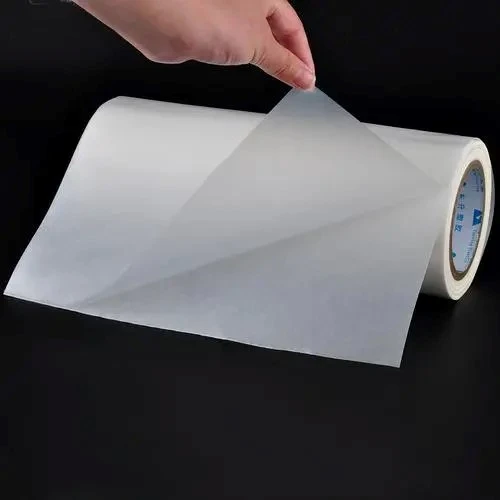
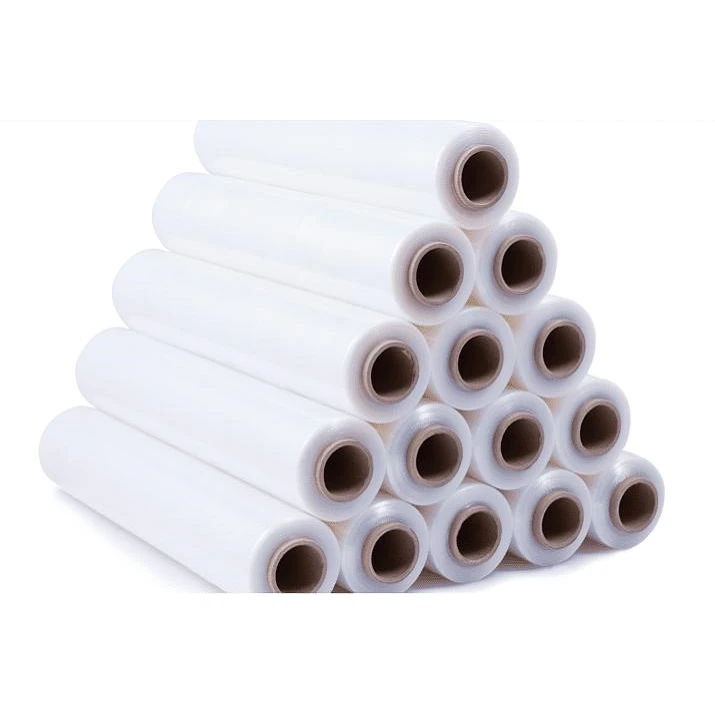
If you're looking for high-quality polyurethane film for your next project, look no further. As a leading supplier of Polyurethane Film, we offer a wide range of products to meet your specific needs. Our films are available in various thicknesses, colors, and finishes, and we can provide custom cutting and fabrication services to ensure that your project is a success.
Contact us today to learn more about our products and services and to discuss your specific requirements. We look forward to working with you!
References
- "Polyurethane Film: Properties, Applications, and Processing." Polymer Science, vol. 58, no. 3, 2016, pp. 295-310.
- "Cutting Techniques for Polyurethane Materials." Journal of Manufacturing Processes, vol. 25, 2017, pp. 1-10.
- "Laser Cutting of Polyurethane Film: A Review." Optics and Laser Technology, vol. 102, 2018, pp. 23-32.