

In the industrial world, PO (Polyolefin) hot melt adhesive has become a popular choice for a wide range of bonding applications due to its excellent adhesion, flexibility, and environmental friendliness. As a PO hot melt adhesive supplier, I've witnessed firsthand how the substrate surface plays a crucial role in the bonding process. In this blog, we'll explore the various ways in which the substrate surface can affect PO hot melt adhesive bonding.
Surface Energy and Wettability
One of the most critical factors in adhesive bonding is the surface energy of the substrate. Surface energy refers to the energy required to create a new surface area on a material. When the surface energy of the substrate is higher than that of the adhesive, the adhesive can spread and wet the surface effectively. This wetting is essential for good adhesion because it allows the adhesive to come into intimate contact with the substrate, forming strong intermolecular forces.
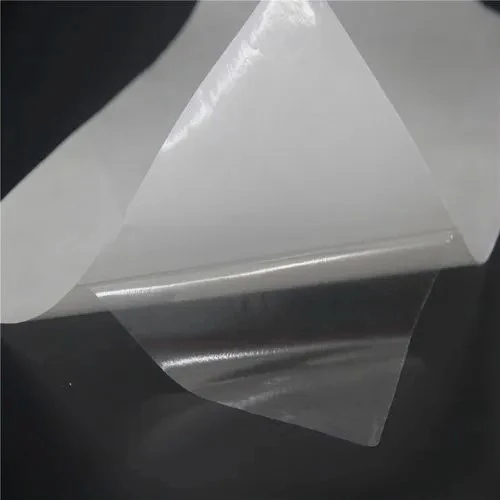
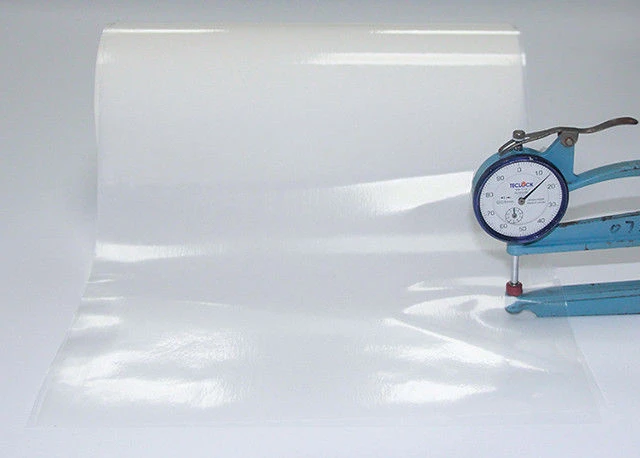
PO hot melt adhesives typically have a relatively low surface energy. Therefore, substrates with high surface energy, such as metals and glass, are generally easier to bond with PO hot melt adhesives. These materials allow the adhesive to spread evenly, maximizing the contact area and enhancing the bonding strength. On the other hand, substrates with low surface energy, like polypropylene and polyethylene, pose a challenge. The adhesive may not wet these surfaces well, resulting in poor adhesion. To improve the bonding performance on low - surface - energy substrates, surface treatments such as corona treatment, plasma treatment, or the use of primers can be employed. These treatments increase the surface energy of the substrate, making it more receptive to the PO hot melt adhesive.
Surface Roughness
Surface roughness also has a significant impact on PO hot melt adhesive bonding. A rough surface can provide more mechanical interlocking between the adhesive and the substrate. When the adhesive is applied to a rough surface, it can flow into the valleys and irregularities, creating a strong physical bond. This mechanical interlocking can enhance the overall bonding strength, especially in applications where shear and peel forces are present.
However, there is a balance to be struck. If the surface is too rough, the adhesive may not be able to fully penetrate the pores and cavities, leaving voids that can weaken the bond. Additionally, excessive roughness can reduce the contact area between the adhesive and the substrate at the microscopic level, potentially leading to poor adhesion. For optimal bonding, the surface roughness should be carefully controlled to ensure that the adhesive can flow and fill the surface irregularities without leaving significant voids.
Surface Cleanliness
The cleanliness of the substrate surface is another vital factor in PO hot melt adhesive bonding. Any contaminants on the surface, such as oil, grease, dust, or oxidation, can act as a barrier between the adhesive and the substrate, preventing proper adhesion. For example, if a metal substrate has a layer of oil on its surface, the PO hot melt adhesive may not be able to bond to the metal effectively. The oil can reduce the surface energy of the substrate and prevent the adhesive from wetting the surface.
To achieve good bonding, it is essential to clean the substrate surface thoroughly before applying the PO hot melt adhesive. Cleaning methods can vary depending on the type of substrate and the nature of the contaminants. For metal substrates, degreasing agents can be used to remove oil and grease, followed by a rinse with a suitable solvent. For plastic substrates, mild detergents or isopropyl alcohol can be used to clean the surface. In some cases, abrasive cleaning or chemical etching may be required to remove stubborn contaminants.
Chemical Compatibility
The chemical compatibility between the PO hot melt adhesive and the substrate is also crucial. Different substrates have different chemical compositions, and the adhesive must be able to interact chemically with the substrate to form a strong bond. For example, if the substrate contains reactive functional groups, the PO hot melt adhesive may be able to form covalent bonds or other strong chemical interactions with these groups, enhancing the bonding strength.
Some PO hot melt adhesives are formulated to be compatible with specific types of substrates. For instance, there are PO hot melt adhesives designed for bonding to polyolefin plastics, which have been modified to improve their chemical interaction with the polyolefin surface. When selecting a PO hot melt adhesive, it is important to consider the chemical nature of the substrate to ensure compatibility.
Temperature and Moisture Sensitivity of the Substrate
The temperature and moisture sensitivity of the substrate can also affect PO hot melt adhesive bonding. Some substrates may expand or contract significantly with changes in temperature. If the adhesive and the substrate have different coefficients of thermal expansion, the bond may be subjected to internal stresses during temperature cycling, which can lead to bond failure over time.
Moisture can also have a negative impact on the bonding. Some substrates, such as wood and paper, can absorb moisture from the environment. The presence of moisture in the substrate can affect the curing process of the PO hot melt adhesive and reduce the bonding strength. In humid environments, it is important to ensure that the substrate is properly dried before bonding and to use moisture - resistant PO hot melt adhesives if necessary.
Our PO Hot Melt Adhesive Products
As a PO hot melt adhesive supplier, we offer a wide range of high - quality products to meet different bonding requirements. Our Low Temperature Hot Melt Po Film is suitable for applications where low - temperature bonding is required, such as in the packaging of heat - sensitive materials. It has excellent adhesion properties and can bond well to a variety of substrates.
Our Quality Po Hot Melt Adhesive Film is designed for general - purpose bonding applications. It offers a good balance of adhesion strength, flexibility, and durability. Whether you are bonding plastics, metals, or textiles, our quality PO hot melt adhesive film can provide a reliable bonding solution.
For more specialized applications, our Po Adhesive is formulated to meet specific performance requirements. It can be customized to have different melting points, viscosities, and adhesion properties to suit your unique bonding needs.
Contact Us for Procurement
If you are looking for high - quality PO hot melt adhesive products for your bonding applications, we are here to help. Our team of experts can provide you with professional advice on substrate selection, surface treatment, and adhesive application. We can also offer customized solutions to meet your specific requirements. Whether you are a small - scale manufacturer or a large - scale industrial enterprise, we have the products and services to support your bonding needs. Contact us today to start a procurement discussion and find the best PO hot melt adhesive solution for your business.
References
- "Adhesion Science and Engineering: Surfaces, Chemistry, and Applications" by K. L. Mittal.
- "Handbook of Adhesive Technology" edited by A. Pizzi and K. L. Mittal.
- "Hot Melt Adhesives: Technology and Applications" by D. Satas.