

How does polyester - based TPU film compare to polycarbonate film?
Hey there! I'm a supplier of polyester - based TPU film, and I often get asked how our product stacks up against polycarbonate film. So, I thought I'd break it down for you in this blog post.
Let's start with the basics. Polyester - based TPU (Thermoplastic Polyurethane) film is a type of flexible plastic film. It's made from a blend of polyester and TPU, which gives it some unique properties. On the other hand, polycarbonate film is a rigid plastic film known for its high impact resistance and optical clarity.
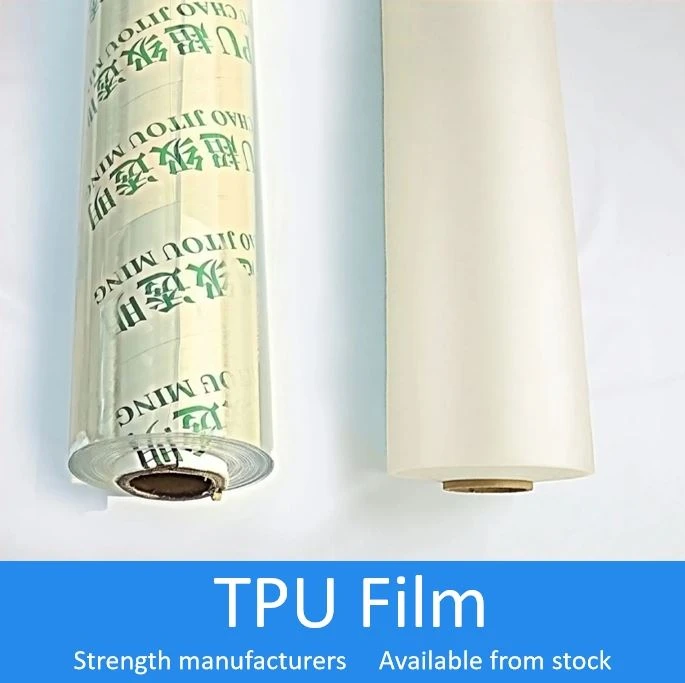
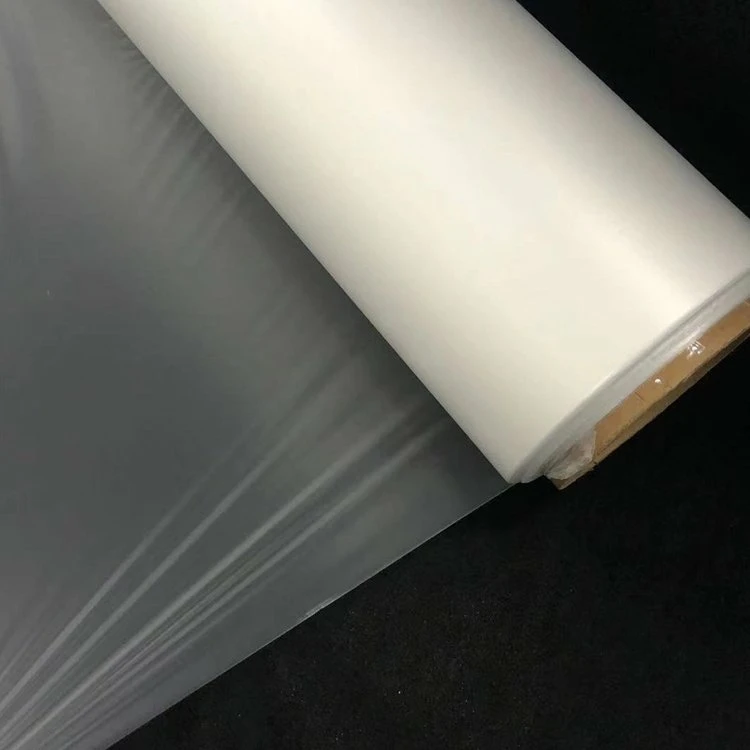
Physical Properties
One of the first things you'll notice when comparing these two films is their flexibility. Polyester - based TPU film is super flexible. You can bend, stretch, and fold it without it cracking or breaking. This makes it a great choice for applications where you need a film that can conform to different shapes, like Anti-static TPU Film. It's commonly used in electronics packaging because it can wrap around delicate components without causing damage.
In contrast, polycarbonate film is much stiffer. It's designed to be a rigid protective layer, and while that's great for applications like safety shields and display covers, it doesn't have the same level of flexibility as TPU film. If you try to bend it too much, it might crack or shatter, especially if it's a thinner film.
Another important physical property is transparency. Both polyester - based TPU film and polycarbonate film can be made transparent. However, polycarbonate film usually has better optical clarity. It's often used in applications where clear visibility is crucial, like in automotive dashboards or electronic displays. But our TPU film also offers good transparency, and it can be a more cost - effective option for many projects. Plus, we can also produce TPU film with different levels of translucency or even opaque versions if that's what you need.
Chemical Resistance
When it comes to chemical resistance, polyester - based TPU film has some advantages. It's resistant to many common chemicals, including oils, greases, and solvents. This makes it suitable for use in industrial environments where it might come into contact with these substances. For example, TPU Film for Raincoat is often exposed to various environmental elements, and the chemical resistance of TPU helps it maintain its integrity over time.
Polycarbonate film also has decent chemical resistance, but it's more susceptible to certain solvents. Some strong solvents can cause polycarbonate to crack or become cloudy, which can be a problem if you're using it in an environment where it might be exposed to these chemicals.
Durability and Wear Resistance
Durability is a key factor in choosing a film. Polyester - based TPU film is known for its excellent wear resistance. It can withstand a lot of abrasion, making it a great choice for high - traffic areas or applications where the film will be rubbed or scratched. For instance, in the manufacturing of conveyor belts or protective covers, TPU film can hold up well over time.
Polycarbonate film is also durable, especially in terms of impact resistance. It can take a pretty hard hit without breaking, which is why it's used in safety glasses and bullet - resistant windows. But when it comes to wear from constant rubbing or scraping, TPU film might have the edge.
Cost
Cost is always a consideration in any project. Generally, polyester - based TPU film is more cost - effective than polycarbonate film. This is because the production process for TPU film is often less complex and the raw materials are more readily available. If you're working on a budget - conscious project, TPU film could be the way to go.
Applications
The differences in properties between these two films lead to different applications. As I mentioned earlier, polyester - based TPU film is great for flexible applications. Besides electronics packaging and raincoats, it's also used in medical devices, sports equipment, and footwear. For example, Anti - fungus TPU Film can be used in the lining of shoes to prevent fungal growth.
Polycarbonate film, on the other hand, is mainly used in applications where rigidity, high impact resistance, and optical clarity are required. You'll find it in automotive parts, electronic displays, and architectural glazing.
Environmental Considerations
In today's world, environmental impact is an important factor. Polyester - based TPU film is more environmentally friendly in some ways. It's often recyclable, and the production process generally produces less waste compared to polycarbonate film. Additionally, TPU can be made from bio - based materials, which further reduces its carbon footprint.
Polycarbonate film, while recyclable, has some environmental concerns associated with it. The production of polycarbonate requires the use of bisphenol A (BPA), which is a controversial chemical. Although there are BPA - free versions available, the overall environmental impact of polycarbonate production is higher than that of TPU film.
Conclusion
So, how does polyester - based TPU film compare to polycarbonate film? Well, it really depends on your specific needs. If you need a flexible, cost - effective, and environmentally friendly film with good chemical and wear resistance, then polyester - based TPU film is a great choice. On the other hand, if you require a rigid film with high impact resistance and excellent optical clarity, polycarbonate film might be more suitable.
If you're interested in learning more about our polyester - based TPU film or want to discuss a potential project, don't hesitate to reach out. We're here to help you find the best solution for your needs.
References
- "Plastics Technology Handbook", 5th Edition, by Charles A. Harper
- "Thermoplastic Elastomers: A Comprehensive Review" by Bhuvaneshwar Mishra and Anil Kumar Bhowmick