

In the realm of modern industrial materials, Thermoplastic Polyurethane (TPU) films have emerged as a versatile and indispensable solution across various sectors, including medical devices, automotive, and consumer goods. As a leading supplier of the TPU Films Selector Tool, I am often asked whether our tool takes into account the crucial factor of film oil resistance. This blog post aims to delve into this question, exploring the significance of oil resistance in TPU films and how our selector tool addresses this important aspect.
The Importance of Oil Resistance in TPU Films
Oil resistance is a critical property for TPU films, especially in applications where the film comes into contact with oils, lubricants, or other petroleum - based substances. In the automotive industry, for example, TPU films may be used for interior trim, gaskets, or protective covers. These films need to withstand exposure to engine oils, transmission fluids, and other automotive lubricants without degrading or losing their physical properties.
In the medical field, TPU films are used in a variety of applications, such as Thermoplastic (TPU) Film Based Medical Devices. Some medical procedures involve the use of oils or oily substances, and the TPU films used in these devices must be resistant to them to ensure the safety and efficacy of the medical products.
How the TPU Films Selector Tool Works
Our TPU Films Selector Tool is designed to provide users with a comprehensive and accurate way to select the most suitable TPU film for their specific applications. The tool takes into account a wide range of factors, including mechanical properties, chemical resistance, transparency, and of course, oil resistance.
When a user enters their requirements into the selector tool, one of the key parameters that can be specified is the level of oil resistance needed. The tool then searches through our extensive database of TPU films and filters out those that do not meet the specified oil - resistance criteria.
Assessing Oil Resistance in TPU Films
The oil resistance of TPU films is typically evaluated through a series of standardized tests. These tests involve exposing the TPU film samples to different types of oils for a specific period of time and then measuring changes in the film's physical properties, such as hardness, tensile strength, and elongation at break.
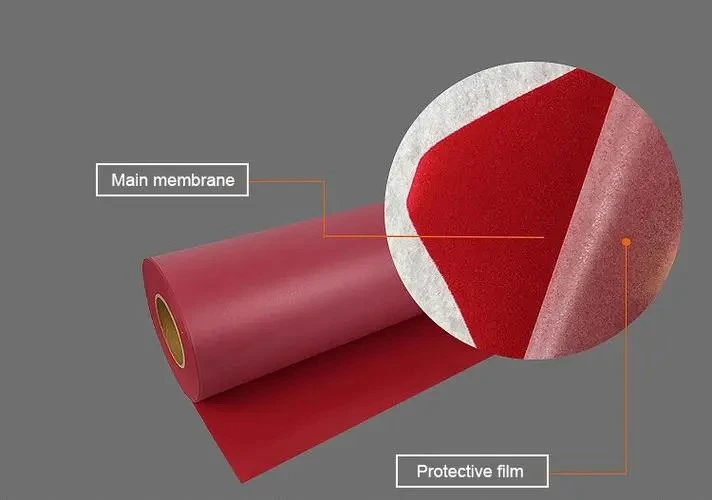

Our selector tool is based on the results of these rigorous tests. The database contains detailed information about the oil - resistance performance of each TPU film in our product line, including the types of oils they can resist and the degree of resistance. This allows users to make informed decisions based on their actual application requirements.
Case Studies: Oil Resistance in Real - World Applications
To illustrate the practical importance of oil resistance in TPU films and how our selector tool helps in choosing the right film, let's look at a few case studies.
Automotive Interior Trim
A major automotive manufacturer was looking for a TPU film for their interior trim applications. The film needed to be resistant to engine oil, brake fluid, and other automotive lubricants. By using our TPU Films Selector Tool, they were able to quickly narrow down their options to a few films that met their oil - resistance requirements. After further testing and evaluation, they selected a TPU film that not only provided excellent oil resistance but also had the desired aesthetic and mechanical properties.
Medical Device Packaging
A medical device company was developing a new device that required a TPU film for packaging. The device was to be sterilized using an oil - based sterilization process, so the film needed to be highly resistant to the sterilizing oil. Our selector tool helped them identify a TPU film with outstanding oil - resistance properties. This film ensured the integrity of the medical device during the sterilization process and throughout its shelf life.
Advantages of Using Our TPU Films Selector Tool for Oil - Resistant Applications
- Time - Saving: Instead of spending hours researching and testing different TPU films, users can use our tool to quickly find the films that meet their oil - resistance requirements.
- Accuracy: The tool is based on reliable test data, ensuring that the recommended films will perform as expected in terms of oil resistance.
- Comprehensive Selection: Our database contains a wide range of TPU films with different oil - resistance levels, allowing users to choose the most suitable film for their specific application.
Conclusion
In conclusion, our TPU Films Selector Tool does indeed consider film oil resistance. This is an essential feature that enables users in various industries to select the right TPU film for applications where oil resistance is a critical factor. Whether you are in the automotive, medical, or any other industry that requires oil - resistant TPU films, our tool can provide you with the information and options you need to make the best choice.
If you are interested in learning more about our TPU Films Selector Tool or would like to discuss your specific TPU film requirements, we invite you to get in touch with us. Our team of experts is ready to assist you in finding the perfect TPU film for your application.
References
- ASTM International. Standard Test Methods for Rubber Property - Effect of Liquids.
- ISO 1817:2015. Rubber, vulcanized or thermoplastic - Determination of the effect of liquids.