

Hey there! As a TPU hot melt adhesive supplier, I often get asked a bunch of questions about our products. One question that pops up quite a bit is, "Can TPU hot melt adhesive be used for bonding silicone rubber?" Well, let's dig into this topic and find out.
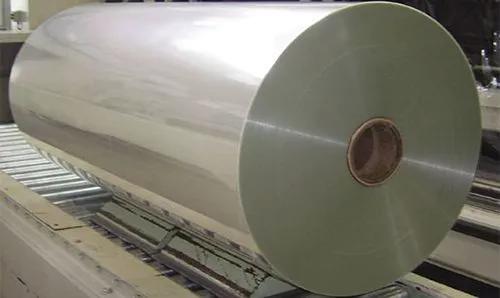
First off, let's understand what TPU hot melt adhesive is. TPU stands for thermoplastic polyurethane. It's a super - versatile material that's used in a whole bunch of applications. You can check out our TPU Hot Melt Adhesive Film on our website to get a better idea of what it looks like and what it can do. TPU hot melt adhesives are known for their strong bonding properties, flexibility, and resistance to abrasion, chemicals, and weather. They're also easy to use, which makes them a popular choice in many industries.
Now, silicone rubber is another interesting material. It's got excellent heat resistance, flexibility, and electrical insulation properties. It's used in a wide range of applications, from medical devices to automotive parts. But here's the thing: silicone rubber is known for being a bit of a challenge to bond. It has a low surface energy, which means that adhesives don't stick to it easily.
So, can TPU hot melt adhesive bond silicone rubber? The short answer is, it depends. In some cases, TPU hot melt adhesive can form a decent bond with silicone rubber, but there are a few factors that you need to consider.
Surface Preparation
One of the most important things when it comes to bonding any materials is surface preparation. For silicone rubber, this is especially crucial. You need to make sure that the surface of the silicone rubber is clean and free of any contaminants like dust, oil, or grease. You can use a mild detergent and water to clean the surface, followed by a thorough rinse and drying.
Some people also recommend using a primer on the silicone rubber surface before applying the TPU hot melt adhesive. A primer can help to increase the surface energy of the silicone rubber, making it easier for the adhesive to bond. There are different types of primers available on the market, so make sure to choose one that's compatible with both the silicone rubber and the TPU hot melt adhesive.
Adhesive Selection
Not all TPU hot melt adhesives are created equal. When you're looking to bond silicone rubber, you need to choose a TPU hot melt adhesive that's specifically formulated for this type of application. Some TPU hot melt adhesives have better adhesion properties to silicone rubber than others. You can take a look at our TPU Hot Melt products to see if we have one that suits your needs.
Bonding Process
The bonding process also plays a big role in the success of the bond. When using TPU hot melt adhesive to bond silicone rubber, you need to apply the adhesive at the right temperature and pressure. TPU hot melt adhesives are typically applied in a molten state, and you need to make sure that the temperature is high enough to melt the adhesive but not too high that it damages the silicone rubber.
You also need to apply enough pressure to ensure good contact between the adhesive and the silicone rubber. This can be done using a press or a roller. The amount of pressure and the time that you need to apply it will depend on the specific TPU hot melt adhesive and the silicone rubber that you're using.
Compatibility Testing
Before you start a large - scale bonding project, it's always a good idea to do some compatibility testing. Take a small sample of the silicone rubber and the TPU hot melt adhesive and try to bond them together. Let the bond cure for the recommended time, and then test the bond strength. You can do a simple peel test or a shear test to see how well the adhesive is holding the silicone rubber.
If the bond strength is not satisfactory, you may need to adjust the surface preparation, adhesive selection, or bonding process. It might take a few tries to get it right, but it's worth the effort to ensure a strong and reliable bond.
Applications
If you can successfully bond silicone rubber with TPU hot melt adhesive, there are some interesting applications that you can explore. For example, in the textile industry, you could use TPU Hot Melt Adhesive Film for Textile to bond silicone rubber to fabrics. This could be used to create waterproof and breathable garments or protective gear.
In the automotive industry, you could use TPU hot melt adhesive to bond silicone rubber gaskets or seals to other components. This could help to improve the performance and reliability of the automotive parts.

Conclusion
So, in conclusion, while bonding silicone rubber with TPU hot melt adhesive can be a bit of a challenge, it's definitely possible. With the right surface preparation, adhesive selection, bonding process, and compatibility testing, you can achieve a strong and reliable bond.
If you're interested in using TPU hot melt adhesive for bonding silicone rubber or any other applications, we'd love to hear from you. We can provide you with more information about our products, help you choose the right adhesive for your needs, and offer technical support. Whether you're a small - scale manufacturer or a large - scale industrial user, we're here to assist you in finding the best bonding solutions.
References
- "Handbook of Adhesive Technology" by Andrew Pizzi and K. L. Mittal
- "Silicone Elastomers: Science and Technology" by Raymond J. Young and Charles E. Carraher Jr.
- Various industry reports and research papers on TPU hot melt adhesives and silicone rubber bonding.