

In the world of industrial bonding, finding the right adhesive for specific materials is crucial. One common question that often arises is whether TPU hot melt adhesive can be used for bonding aluminum. As a TPU hot melt adhesive supplier, I'm here to delve into this topic and provide you with a comprehensive analysis.
Understanding TPU Hot Melt Adhesive
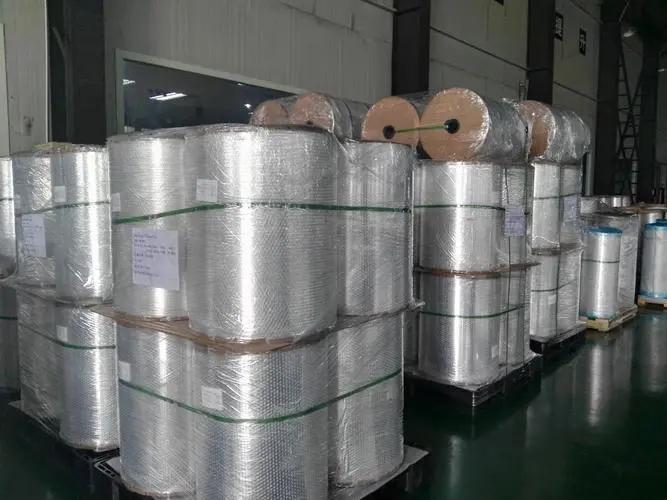
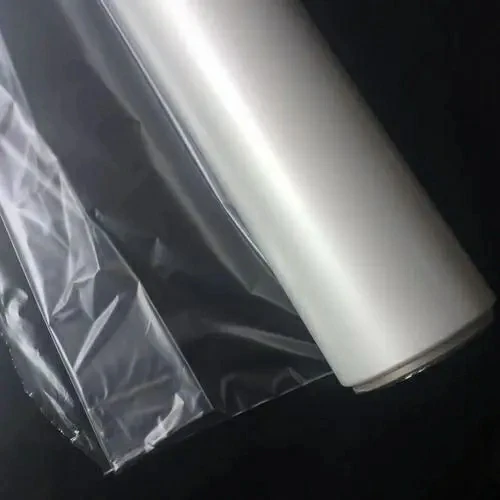
TPU, or Thermoplastic Polyurethane, is a versatile polymer known for its excellent flexibility, abrasion resistance, and chemical resistance. TPU hot melt adhesive TPU Hot Melt is a type of adhesive that is solid at room temperature but becomes fluid when heated. This property allows it to be easily applied to various substrates and form a strong bond as it cools and solidifies.
TPU hot melt adhesives are widely used in different industries, such as textiles, footwear, automotive, and electronics. For example, TPU Hot Melt Adhesive Film for Textile is commonly used to bond fabrics together, providing a durable and flexible joint. In the automotive industry, TPU hot melt adhesives can be used for interior trim bonding, offering good adhesion and vibration resistance.
Factors Affecting the Bonding of TPU Hot Melt Adhesive to Aluminum
Surface Properties of Aluminum
The surface condition of aluminum plays a significant role in the bonding process. Aluminum has a thin oxide layer on its surface, which can affect the adhesion of the adhesive. If the oxide layer is thick or contaminated, it may prevent the adhesive from forming a strong bond. Therefore, proper surface preparation is essential. This can include cleaning the aluminum surface with a suitable solvent to remove dirt, grease, and other contaminants. Abrasive blasting or chemical etching can also be used to roughen the surface and increase the surface area for better adhesion.
Compatibility of TPU and Aluminum
The compatibility between TPU and aluminum is another important factor. TPU has certain chemical properties, and its interaction with aluminum needs to be considered. Some TPU formulations may have better affinity for aluminum than others. For example, TPU with specific functional groups may be more likely to form chemical bonds with the aluminum surface, resulting in a stronger bond. Additionally, the melting point and viscosity of the TPU hot melt adhesive need to be compatible with the bonding process and the properties of aluminum. If the melting point is too high, it may cause damage to the aluminum or affect its mechanical properties.
Bonding Conditions
The bonding conditions, such as temperature, pressure, and bonding time, also have a significant impact on the quality of the bond. When using TPU hot melt adhesive to bond aluminum, the appropriate temperature needs to be selected to ensure that the adhesive melts and flows properly. If the temperature is too low, the adhesive may not fully melt, resulting in poor adhesion. On the other hand, if the temperature is too high, it may cause the TPU to degrade or the aluminum to deform. Pressure is also important as it helps to ensure good contact between the adhesive and the aluminum surface. Sufficient pressure should be applied during the bonding process to eliminate air bubbles and ensure a uniform bond. The bonding time is also crucial. It should be long enough to allow the adhesive to fully set and form a strong bond, but not too long to avoid overheating or other issues.
Advantages of Using TPU Hot Melt Adhesive for Bonding Aluminum
Good Flexibility
One of the main advantages of TPU hot melt adhesive is its excellent flexibility. Aluminum is a relatively rigid material, but in some applications, there may be a need for a certain degree of flexibility in the bonded joint. TPU hot melt adhesive can provide this flexibility, allowing the bonded structure to withstand some degree of bending or deformation without losing its bond strength. This is particularly useful in applications where the aluminum parts are subject to dynamic loads or vibrations.
Chemical Resistance
TPU hot melt adhesive has good chemical resistance, which means it can resist the attack of various chemicals. In some industrial environments, aluminum parts may be exposed to chemicals such as oils, solvents, and acids. Using TPU hot melt adhesive to bond aluminum can help protect the bonded joint from chemical damage, ensuring the long - term stability of the bond.
Easy Application
TPU hot melt adhesive is easy to apply. It can be applied using various methods, such as hot melt guns, roller coating, or extrusion. This makes the bonding process relatively simple and efficient, reducing production time and costs. Compared with some other types of adhesives that require complex mixing or curing processes, TPU hot melt adhesive can be quickly applied and set, improving the overall productivity.
Disadvantages and Challenges
Temperature Sensitivity
TPU hot melt adhesive is temperature - sensitive. Its performance can be affected by changes in temperature. At high temperatures, the adhesive may soften or even melt, reducing its bond strength. In some applications where the bonded aluminum parts are exposed to high - temperature environments, such as in automotive engines or industrial furnaces, the use of TPU hot melt adhesive may be limited. On the other hand, at low temperatures, the adhesive may become brittle, which can also affect its ability to withstand mechanical stress.
Bond Strength in Some Cases
Although TPU hot melt adhesive can form a strong bond with aluminum under certain conditions, in some cases, the bond strength may not be sufficient for high - stress applications. For example, in applications where the bonded aluminum parts are subject to large tensile or shear forces, additional mechanical fasteners or other reinforcement methods may be required to ensure the reliability of the joint.
Applications Where TPU Hot Melt Adhesive Can Bond Aluminum
Automotive Interior Trim
In the automotive industry, TPU hot melt adhesive can be used to bond aluminum interior trim parts. For example, it can be used to attach aluminum decorative strips to the dashboard or door panels. The flexibility of the adhesive allows the trim to conform to the curved surfaces of the vehicle interior, while its chemical resistance ensures that the bond remains stable in the presence of automotive fluids and cleaning agents.
Electronic Enclosures
In the electronics industry, aluminum is often used for enclosures due to its good heat dissipation properties. TPU hot melt adhesive can be used to bond different aluminum components of the enclosure together. It provides a reliable bond while also helping to seal the enclosure, protecting the electronic components inside from dust and moisture.
Testing and Quality Assurance
To ensure the quality of the bond between TPU hot melt adhesive and aluminum, various testing methods can be used. Tensile strength testing can be performed to measure the force required to pull the bonded aluminum parts apart. Shear strength testing can also be carried out to evaluate the ability of the bond to withstand shear forces. Additionally, environmental testing, such as exposure to high - temperature and high - humidity conditions, can be used to simulate real - world scenarios and assess the long - term stability of the bond.
Conclusion
In conclusion, TPU hot melt adhesive can be used for bonding aluminum, but it requires proper surface preparation, consideration of compatibility, and appropriate bonding conditions. It offers several advantages, such as good flexibility, chemical resistance, and easy application, but also has some limitations, such as temperature sensitivity and potential bond strength issues in high - stress applications.
If you are considering using TPU hot melt adhesive for bonding aluminum in your application, it is recommended to conduct some preliminary tests to evaluate its performance. As a TPU hot melt adhesive supplier, we are committed to providing high - quality products and technical support to help you achieve the best bonding results. If you have any questions or need further information about our TPU Hot Melt Adhesive Film or other TPU hot melt adhesive products, please feel free to contact us for a detailed discussion and potential procurement negotiation.
References
- "Handbook of Adhesive Technology" by Skeist, I.
- "Thermoplastic Polyurethanes: A Comprehensive Review" in Polymer Reviews.
- Industry reports on the use of adhesives in automotive and electronics industries.