

Can Pa Hot Melt Adhesives be used for bonding leather?
Hey there! I'm a supplier of Pa Hot Melt Adhesives, and today I wanna talk about whether these adhesives can be used for bonding leather. Leather is a widely - used material in various industries, like fashion, furniture, and automotive. So, finding the right adhesive for it is super important.
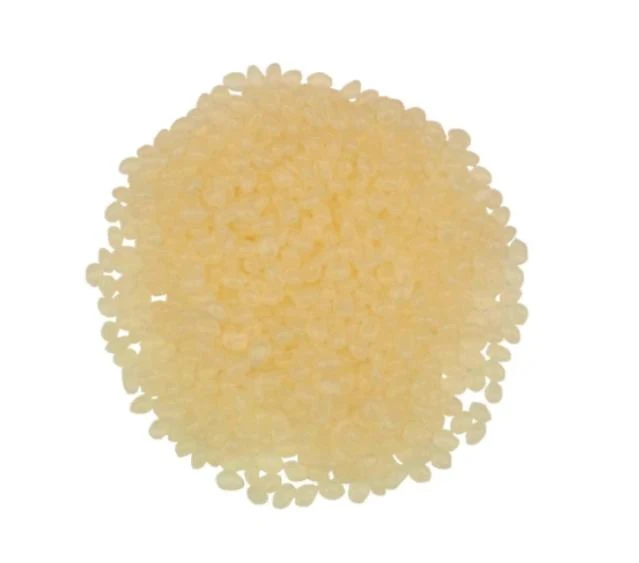
First off, let's understand what Pa Hot Melt Adhesives are. Pa stands for Polyamide, and these adhesives are known for their excellent properties. They have high bonding strength, good heat resistance, and are flexible. You can check out more about Pa Hot Melt Adhesives here.
Now, let's get to the main question: Can they bond leather? The short answer is yes, but there are some factors to consider.
Advantages of using Pa Hot Melt Adhesives for leather bonding
- Strong Bonding: Pa Hot Melt Adhesives can form a really strong bond with leather. They can hold different types of leather pieces together firmly, whether it's for making leather wallets, shoes, or upholstery. For example, in the shoe - making industry, where different parts of the shoe need to be joined, these adhesives can provide a reliable bond that can withstand the stress of daily use.
- Heat Resistance: Leather products are sometimes exposed to different temperatures. Pa Hot Melt Adhesives have good heat resistance, which means the bond won't break easily when the leather gets a bit warm. This is great for leather items that might be used in warm environments or during hot seasons.
- Flexibility: Leather is a flexible material, and the adhesive used should be able to keep up with its movement. Pa Hot Melt Adhesives are flexible, so they can bend and stretch along with the leather without cracking or losing the bond. This is crucial for items like leather jackets or belts that are constantly in motion.
Types of leather and their compatibility
Not all leather is the same, and different types might have different levels of compatibility with Pa Hot Melt Adhesives.
- Genuine Leather: This is the real deal, made from animal hides. Pa Hot Melt Adhesives generally work well with genuine leather. The porous nature of genuine leather allows the adhesive to penetrate a bit, creating a stronger bond. For instance, when bonding two pieces of genuine leather for a high - end leather bag, the adhesive can seep into the pores and hold the pieces together tightly.
- Synthetic Leather: Also known as faux leather, it's made from man - made materials. Synthetic leather can be a bit trickier. Some synthetic leathers have a smooth surface that might not allow the adhesive to bond as well as it does with genuine leather. However, with the right surface preparation, like roughening the surface slightly, Pa Hot Melt Adhesives can still be used effectively.
- Patent Leather: This type of leather has a shiny, smooth finish. It can be difficult to bond with Pa Hot Melt Adhesives because the smooth surface doesn't provide much grip for the adhesive. But again, proper surface treatment can improve the bonding.
Surface preparation
Surface preparation is key when using Pa Hot Melt Adhesives for leather bonding.
- Cleaning: The leather surface should be clean and free of any dirt, oil, or dust. You can use a mild cleaner to wipe the leather before applying the adhesive. This ensures that the adhesive can make direct contact with the leather and form a strong bond.
- Roughening: As mentioned earlier, for smooth - surfaced leathers like synthetic or patent leather, roughening the surface a bit can help. You can use a fine - grit sandpaper to gently sand the surface. This creates tiny grooves for the adhesive to grip onto.
Application process
- Temperature: Pa Hot Melt Adhesives need to be heated to a certain temperature to become fluid and ready for application. The temperature can vary depending on the specific product. For example, the Henkel Technomelt Pa 7802 Polyamide Hot Melt has its own recommended heating temperature. Make sure to follow the instructions carefully to get the best results.
- Application Method: You can apply the adhesive using a hot melt gun or other suitable application tools. Spread the adhesive evenly on one of the leather surfaces and then quickly press the two leather pieces together. Apply pressure for a short period to ensure a good bond.
Limitations
- Initial Cost: Pa Hot Melt Adhesives can be a bit more expensive compared to some other types of adhesives. However, considering their performance and the long - term durability of the bond, the cost can be justified, especially for high - quality leather products.
- Limited Open Time: Once the adhesive is heated and applied, it has a limited time (open time) to be bonded. If you take too long to press the leather pieces together, the adhesive might start to cool and lose its bonding ability.
Case studies
Let's take a look at some real - world examples of using Pa Hot Melt Adhesives for leather bonding.

- Leather Shoe Manufacturer: A shoe manufacturer switched from using traditional adhesives to Pa Hot Melt Adhesives. They found that the shoes had a stronger bond between the upper and the sole, and the shoes could withstand more wear and tear. This led to fewer returns due to sole separation, which was a big win for their business.
- Furniture Upholstery: A furniture company used Pa Hot Melt Adhesives to bond leather to the frames of their sofas. The flexible nature of the adhesive allowed the leather to conform to the shape of the frame without any issues. And the heat resistance ensured that the bond remained intact even in warm rooms.
Conclusion
In conclusion, Pa Hot Melt Adhesives can definitely be used for bonding leather. They offer many advantages like strong bonding, heat resistance, and flexibility. However, you need to consider the type of leather, do proper surface preparation, and follow the correct application process.
If you're in the leather - related industry and are looking for a reliable adhesive solution, Pa Hot Melt Adhesives could be the answer. You can also explore Pa Hot Adhesive Film for more options.
If you're interested in learning more or want to start a procurement discussion, feel free to reach out. We're here to help you find the best adhesive solution for your leather bonding needs.
References
- "Handbook of Adhesives and Sealants" by Henry S. Katz and Allan W. Lee
- "Adhesive Bonding: Science, Technology, and Applications" by L. H. Lee